
- Home
- Products
- Construction Materials
- ICF Wall and Deck Systems
ICF Wall and Deck Systems for Resilient Residential Construction
Looking for a Trusted ICF Systems Supplier? Read On.
You avoid costly maintenance problems later
You get insulated concrete form wall and deck systems designed for long-term residential performance, not just fast construction. Compared to traditional wood-frame construction, ICF systems help reduce exposure to moisture-related deterioration, thermal inefficiency, and structural wear that often become expensive over time.
You avoid surprises once construction starts
You receive ICF wall, foundation, and concrete deck systems that are practical for real U.S. residential construction conditions. That means fewer issues during permitting, inspections, engineering coordination, or installation compared to projects where incompatible systems create delays and redesigns after work begins.
You get a structure built for tougher conditions
You can use reinforced concrete ICF systems in custom homes, multifamily developments, and climate-exposed residential projects where fire performance, hurricane resistance, energy efficiency, and long-term structural durability matter more than conventional framed assemblies.
Challenges with Traditional Wood Frame Construction
Residential construction across the United States is facing growing pressure from rising energy costs, stricter building requirements, wildfire exposure, hurricanes, and long-term maintenance concerns. In many regions, traditional wood-frame construction is no longer evaluated only by upfront cost, but by how the structure performs over time under real operating conditions. As a result, more residential and multifamily projects are turning to insulated concrete form (ICF) systems designed for improved energy efficiency, structural durability, and long-term structural performance.
At the same time, many ICF construction projects still face avoidable challenges during planning and execution. Builders, developers, and property owners often encounter incompatible systems, inspection delays, unclear specifications, or limited contractor familiarity with insulated concrete forms and concrete deck systems. Successful ICF wall construction requires coordinated solutions that support U.S. building standards, practical installation, and reliable long-term use without creating unnecessary project complexity.
Read More
ICF wall and deck systems are increasingly being used in hurricane-prone regions, wildfire-exposed areas, energy-conscious residential developments, and projects focused on long-term ownership value. Compared to conventional framed assemblies, reinforced concrete wall systems with continuous insulation provide a different approach to residential construction by combining structural strength, thermal efficiency, and improved resilience within a single integrated building system.
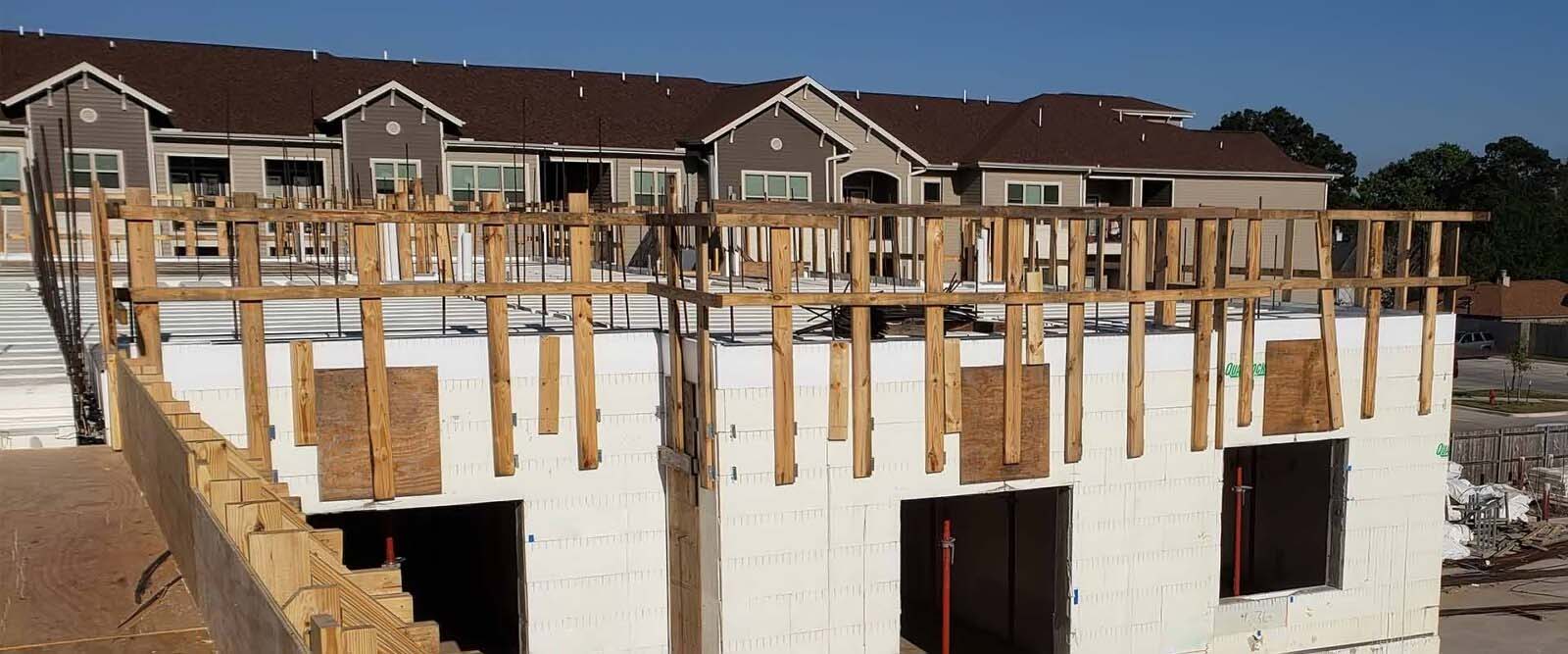
Our ICF Wall and Deck System Solutions
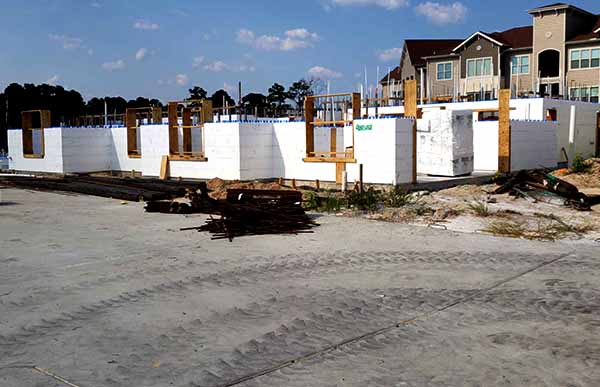
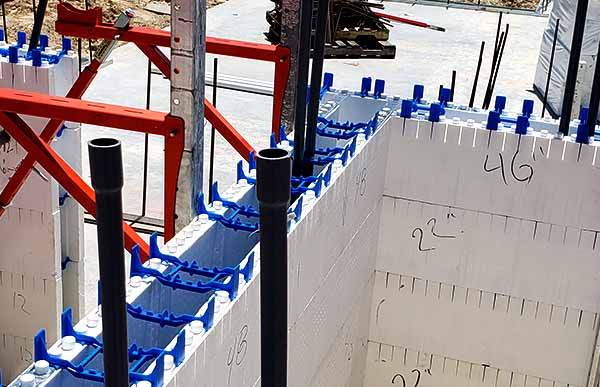
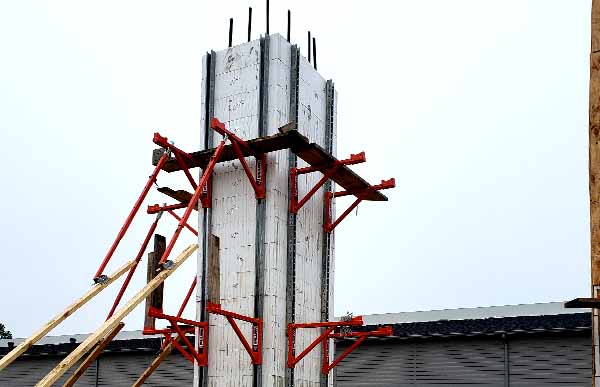
A Priori Source supplies insulated concrete form wall and deck systems designed for modern residential and multifamily construction across the United States. Our solutions combine reinforced concrete construction with continuous insulation to support long-term structural durability, improved thermal performance, and more resilient building assemblies compared to conventional wood-frame systems.
We work with ICF wall systems and concrete deck solutions intended for projects where energy efficiency, structural reliability, fire performance, and long-term maintenance considerations play an increasingly important role. These systems are commonly used in custom residential homes, multifamily developments, hurricane-prone regions, and energy-conscious construction projects seeking alternatives to traditional framed assemblies.
Rather than treating ICF construction as a simple material substitution, we approach each project as an integrated building system. This includes coordinating compatible wall and deck components, supporting compliance with U.S. construction standards, and helping ensure that insulated concrete form systems remain practical for engineering, installation, inspection, and long-term residential use.
ICF Wall, Foundation, and Deck System Applications
ICF Wall Systems |
High-Performance Residential Construction |
| Insulated concrete form wall systems combine reinforced concrete construction with continuous insulation to improve structural durability, energy efficiency, and long-term residential performance. Suitable for custom homes, multifamily developments, and energy-conscious construction projects. | ICF construction systems are increasingly used in residential and multifamily projects focused on energy efficiency, structural resilience, and long-term building performance. Continuous insulation and reinforced concrete assemblies help reduce thermal bridging and maintenance exposure over time. |
ICF Foundation Systems |
Hurricane and High-Wind Construction |
| Designed for below-grade construction, ICF foundation systems provide structural stability, moisture resistance, and thermal insulation within a single integrated assembly. Ideal for residential foundations in regions with demanding climate and soil conditions. | Reinforced concrete wall systems are commonly specified for hurricane-prone and climate-exposed regions where structural continuity and lateral load resistance are important considerations in residential construction. |
ICF Deck Systems |
Fire-Resistant Building Systems |
| Concrete deck forming systems support elevated floors, roof decks, and reinforced structural spans while improving thermal and acoustic separation between levels. Compatible with insulated concrete form wall systems for integrated residential construction. | ICF wall systems utilize a non-combustible concrete core combined with protected insulation assemblies to support fire-resistant residential construction and improved long-term structural integrity. |
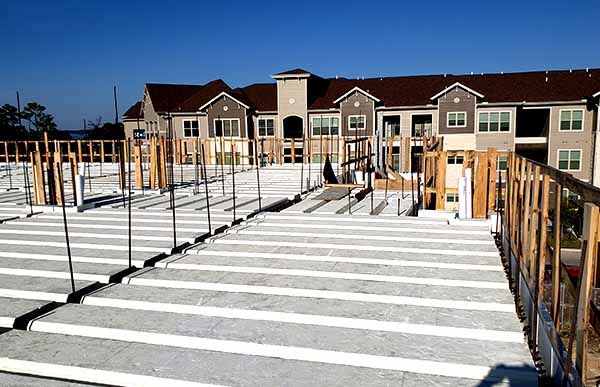
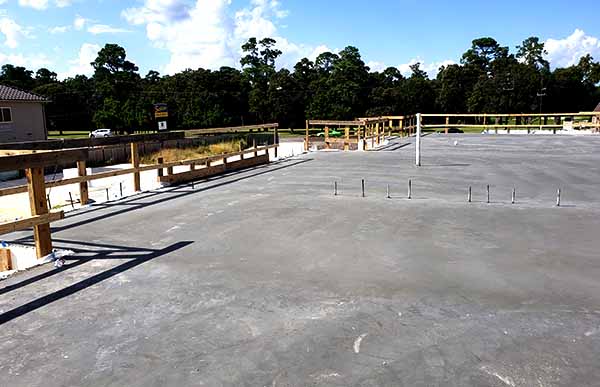
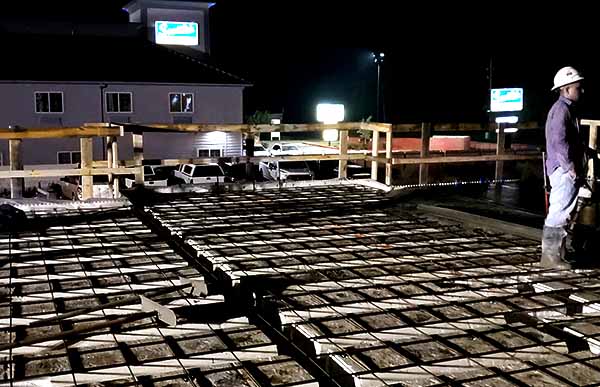
Key Benefits of ICF Wall and Deck Systems from A Priori Source
Performance Area |
ICF Construction Systems |
Traditional Wood Frame Construction |
| Thermal Performance and Energy Efficiency | ICF wall systems use continuous insulation around a reinforced concrete core, helping reduce thermal bridging and support more stable indoor temperatures throughout the year. | Wood-frame walls typically rely on cavity insulation installed between studs, where framing members create thermal bridging and reduce overall wall efficiency. |
| Structural Durability | Reinforced concrete wall systems are designed for long-term structural stability and reduced exposure to moisture-related deterioration, rot, and insect damage. | Wood framing can be affected over time by moisture intrusion, mold, pests, and material movement depending on climate conditions and maintenance. |
| Fire Performance | ICF systems utilize a non-combustible concrete core with protected insulation assemblies to support fire-resistant residential construction. | Wood-frame systems rely on combustible structural components protected through layered fire-rated assemblies and finishes. |
| Wind and Impact Resistance | Continuous reinforced concrete wall assemblies provide structural continuity commonly used in hurricane-prone and high-wind construction regions. | Wood-frame systems transfer loads through multiple mechanical connections that may become vulnerable under extreme wind and impact conditions. |
| Long-Term Maintenance Exposure | ICF construction combines structure and insulation within a consolidated wall assembly designed for reduced maintenance complexity over time. | Traditional framed assemblies include multiple layered components that may require ongoing maintenance, repairs, or replacement during the building lifecycle. |
| Indoor Comfort and Noise Reduction | The mass of reinforced concrete combined with continuous insulation can improve indoor temperature consistency and reduce exterior noise transfer. | Wood-frame assemblies generally provide lower wall mass and may require additional acoustic treatments depending on project requirements. |
| Construction Familiarity and Flexibility | ICF systems require planning, coordinated engineering, and experienced installation teams familiar with insulated concrete form construction. | Wood framing benefits from a large labor pool, broad contractor familiarity, and easier field modifications during construction. |
| Project Approach | ICF wall and deck systems integrate structure, insulation, and long-term performance objectives into a single coordinated assembly. | Wood-frame construction typically separates structural framing, insulation, sheathing, and performance layers into multiple independent systems. |
Compliance & Standards
ICF wall and deck systems used in residential and multifamily construction must comply with established U.S. building codes and structural performance requirements. Properly engineered insulated concrete form systems are commonly designed in accordance with IRC Section R608, ASTM E2634 standards for flat wall ICF systems, and ACI 318 requirements for reinforced concrete design and reinforcement detailing.
In addition to structural compliance, modern ICF construction must address energy efficiency, fire performance, moisture management, and fastening requirements within a complete wall assembly. Depending on project type and jurisdiction, this may also include compliance considerations related to IBC requirements, EPS insulation standards, concrete strength specifications, and approved exterior finish systems for residential and light commercial applications.
At A Priori Source, we work with ICF wall systems and concrete deck systems intended for compatibility with U.S. construction practices, inspection processes, and project documentation requirements. This helps support coordination between builders, engineers, architects, and permitting authorities while reducing the risk of specification conflicts or incompatible system selections during construction.
FAQ
Are ICF homes significantly more expensive than traditional wood-frame homes?
Can electrical wiring, plumbing, cabinets, and TVs be installed normally in ICF walls?
Are ICF wall systems approved under U.S. building codes?
Do ICF homes perform better in hurricanes, wildfires, and high-wind regions?
Is it harder to remodel or modify an ICF house later?
Why are more developers and homeowners choosing ICF construction?
Your Partner for ICF Wall and Deck Success
Choosing an insulated concrete form system is only one part of a successful ICF construction project. Residential and multifamily developments often involve coordination between wall systems, foundations, concrete deck systems, engineering requirements, permitting authorities, contractors, and installation schedules. When these elements are not aligned early, projects can encounter delays, incompatible assemblies, inspection complications, or avoidable construction costs.
A Priori Source works with ICF wall and deck systems intended for practical implementation in U.S. residential construction. As insulated concrete form construction continues to grow across the United States, relatively few teams combine material sourcing knowledge with a practical understanding of engineering coordination, system compatibility, construction realities, and long-term building performance. Our approach is focused on helping developers, builders, architects, and property owners evaluate ICF solutions not simply as products, but as complete construction systems designed to perform reliably from planning and permitting through installation and long-term residential use.
System-Oriented ICF Expertise
We help evaluate insulated concrete form wall and deck systems as complete residential construction assemblies rather than isolated products, reducing the risk of incompatible specifications, coordination issues, or impractical design decisions.
Practical Understanding of U.S. Residential Construction
Our approach considers engineering requirements, permitting realities, contractor workflows, installation sequencing, and long-term residential performance to help keep ICF construction practical throughout the project lifecycle.
Focused on Long-Term Building Performance
We work with reinforced concrete wall and deck systems intended for energy-efficient, structurally durable, and resilient residential construction in projects where long-term reliability matters as much as initial construction cost.
Build Beyond Conventional Framing
ICF wall and deck systems are becoming an increasingly important part of modern residential construction across the United States as developers, builders, and property owners look for alternatives to conventional wood-frame assemblies. Reinforced concrete construction combined with continuous insulation offers a different approach to structural durability, energy efficiency, fire performance, and long-term residential resilience.
Whether you are planning a custom home, multifamily development, foundation system, or climate-resilient residential project, selecting the right insulated concrete form system requires practical coordination between design goals, construction methods, code requirements, and long-term building performance expectations.
A Priori Source works with ICF wall, foundation, and concrete deck systems intended for real-world residential construction conditions. Contact our team to discuss insulated concrete form solutions aligned with your project requirements, structural objectives, and long-term construction goals.