
- Home
- Products
- Construction Materials
- Windows and Glass Systems for Building Envelopes
Window and Glass Systems Engineered as Integral Building Envelope Components
Looking for a Trusted Glass Systems Supplier? Read On.
The Right System for the Building
You receive window systems and glass wall systems selected for how your building is actually designed and constructed. Instead of forcing architectural layouts to fit standard products, the glazing solutions align with façade geometry, opening sizes, and project scale. This helps ensure the chosen system supports both the design intent and the structural logic of the building.
Glazing That Works with the Envelope
You get building envelope glazing solutions that function as part of the exterior wall system rather than as isolated components. Window systems, glass walls, and façade glazing are coordinated with insulation layers, structural framing, and exposure conditions typical for commercial, hospitality, and multifamily buildings. The result is glazing that supports daylight, environmental control, and long-term envelope performance.
Fewer Surprises During Review and Installation
You avoid the problems that appear when glazing systems are selected without considering inspection requirements or construction conditions. The window and glass systems you receive align with safety glazing expectations, façade exposure, and typical U.S. building code requirements. This reduces the risk of redesigns, inspection delays, and unexpected adjustments during installation.
When Glazing Decisions Become Project Liabilities
Window and glass systems influence far more than visual transparency. They directly affect how the building envelope performs under structural loads, environmental exposure, and long-term operational demands. Architectural window systems, glass wall systems, and facade glazing solutions must operate as coordinated assemblies. When they are specified in isolation, even technically sound products can create performance gaps at the building level.
Across U.S. commercial and residential projects, glazing-related risks frequently emerge from misalignment between system capabilities and project requirements. Safety glazing obligations, impact resistance expectations, and thermal performance targets vary by application and jurisdiction. Without a clear system strategy, window and glass selections may fail to align with code-driven performance thresholds, triggering redesigns, approval delays, or field modifications during construction.
Performance issues often surface long after installation. Air and water leakage, thermal bridging, condensation, and acoustic deficiencies are common consequences of fragmented glazing specifications. These challenges rarely stem from the glass alone, but from how window systems, framing solutions, and glazing configurations interact within the broader building envelope. A lack of system-level coordination turns glazing into a source of risk rather than a controlled design element.
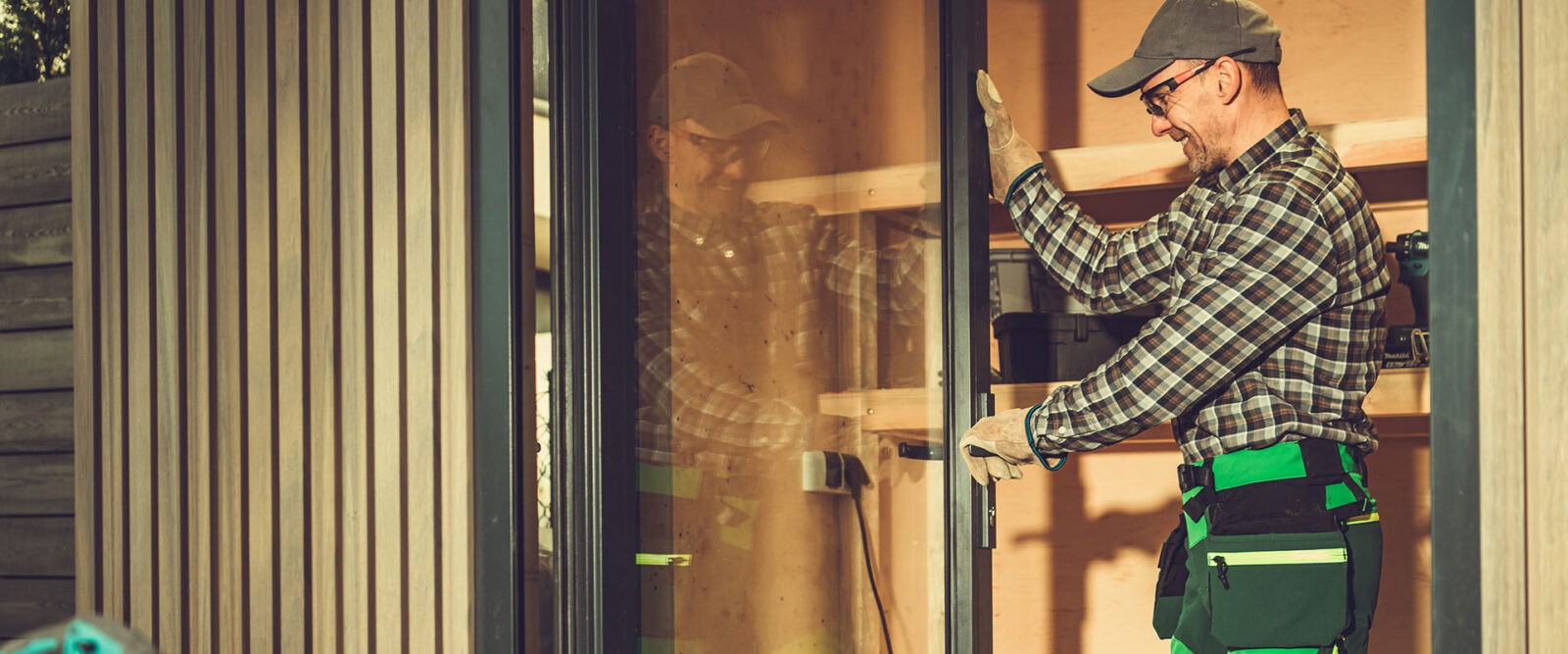
Our Solution: A Coordinated Approach to Window and Glass System Delivery
A Priori Source approaches window and glass structures as integrated building envelope systems rather than standalone products. We work with architectural window systems, glass wall systems, and facade glazing assemblies that are selected and configured to meet the performance, regulatory, and constructability requirements of each project. This system-driven methodology reduces uncertainty during design and minimizes downstream risks during procurement and installation.
Our role begins at the specification stage, where glazing systems are evaluated based on application, scale, and exposure conditions. Factors such as structural performance, thermal efficiency, safety glazing requirements, and compatibility with adjacent assemblies are considered as part of a coordinated solution. By aligning window and glass system selection with the overall building envelope strategy, we help ensure that design intent translates into reliable field performance.
From concept through delivery, A Priori Source supports projects with coordinated sourcing, technical alignment, and supply chain oversight. Window systems, large opening glass solutions, and glazed partitions are managed as part of a unified scope, allowing architects, engineers, and contractors to move forward with clarity. The result is a transparent process that supports compliance, constructability, and long-term performance across commercial and residential building applications.
Window and Glass Systems by Application and Configuration




Performance Advantages of Our Engineered Window and Glass Systems
Window Wall Systems |
Curtain Wall Glazing Systems |
| Window wall systems are non-load-bearing window and glass assemblies installed between floor slabs, commonly used in mid- and high-rise construction. These systems provide consistent daylight access and exterior transparency while allowing flexibility in unitized or site-assembled configurations. Window wall solutions are frequently selected for projects requiring controlled thermal performance, cost efficiency, and integration with slab-edge detailing. | Curtain wall systems are continuous exterior glazing assemblies that span multiple floors and are engineered to manage wind loads, water penetration, and thermal movement. Typically specified for commercial and institutional buildings, these facade glazing systems support large glass areas and refined architectural expressions. Curtain wall assemblies are designed to integrate structural glazing, insulated glass units, and aluminum framing into a unified building envelope system. |
Glass Wall Systems |
Operable Glass Wall Systems |
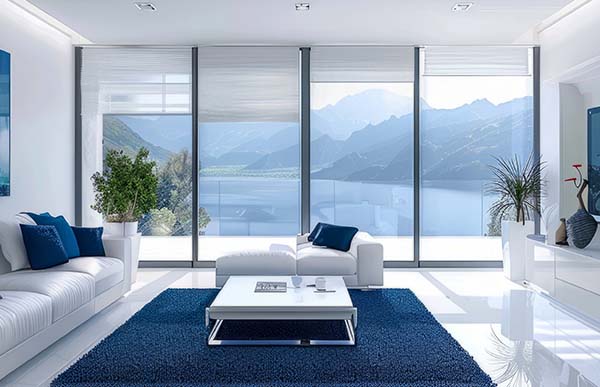
| Glass wall systems are fixed or minimally operable glazingOperable glazing as architecture term refers to glazing systems with movable glazed components integrated into the building envelope to provide ventilation, access, or flexible spatial openings. Common examples include sliding glass walls, folding glass systems, operable windows, and movable glazed partitions used in façade or interior assemblies. These systems combine transparency and daylight access with controlled ventilation and flexible connections between interior and exterior spaces. assemblies used to create transparent building envelopes and interior partitions. These systems support both exterior and interior applications, providing visual continuity and daylight penetration while maintaining separation between conditioned spaces. Glass wall solutions are commonly applied in offices, lobbies, and mixed-use environments where architectural openness and performance must coexist. | Operable glass wall systems include sliding, folding, and multi-panel configurations designed to open large wall sections on demand. These systems are frequently used in hospitality, residential, and commercial projects to enable flexible space planning and indoor–outdoor transitions. Operable glazing systems are engineered to balance movement, structural stability, and weather resistance across large openings. |
Sliding and Folding Glass Systems |
Glazed Entrance Systems |
| Sliding and folding glass systems are designed for large opening conditions where smooth operation and precise alignment are essential. These systems rely on engineered tracks, framing profiles, and insulated glass units to manage weight, movement, and environmental exposure. They are commonly specified for building areas requiring frequent operation without compromising thermal or structural performance. | Glazed entrance systems combine glass, framing, and door hardware into integrated assemblies for primary and secondary building access points. These systems are designed to address safety glazing requirements, impact resistance, and air and water performance at high-traffic locations. Glazed entrances are widely used in commercial buildings, public facilities, and residential developments where durability and transparency are required. |
Interior Glazed Partition Systems |
Large Opening Glass Assemblies |
| Interior glazed partition systems provide spatial separation while preserving visual connection and daylight distribution. Commonly used in office and institutional environments, these systems support flexible layouts and evolving space requirements. Interior glass partitions are designed with framed or minimally framed configurations to align with acoustic, safety, and fire-adjacent considerations. | Large opening glass assemblies are engineered solutions for projects requiring expansive glazed spans and minimal visual interruption. These systems address structural loading, deflection control, and glazing performance across oversized openings. Large opening solutions are often integrated into facade glazing systems where architectural scale and transparency are central design drivers. |
Integrated Building Envelope Performance
Window and glass systems are designed to operate as coordinated components within the building envelope rather than as isolated elements. Proper system integration supports consistent air and water control, structural alignment, and long-term envelope stability. This coordinated performance reduces failure points and improves overall reliability across commercial and residential building applications.
Thermal Efficiency and Environmental Control
Engineered glazing systems contribute directly to thermal regulation by incorporating insulated glass units, controlled framing profiles, and optimized edge conditions. These systems help manage heat transfer, limit thermal bridging, and support stable interior conditions across varying climate zones. Improved thermal performance plays a critical role in energy efficiency and occupant comfort.
Safety Glazing and Impact Resistance
Window and glass systems used in contemporary construction are engineered to meet safety glazing requirements for hazardous locations and high-traffic areas. Tempered and laminated glass configurations reduce the risk of injury and improve occupant protection in the event of breakage. This safety-focused design approach is essential for entrances, large glazed areas, and public-facing building zones.
Structural Reliability for Large Glazed Openings
Modern glass wall systems and large opening assemblies are engineered to manage wind loads, deflection, and structural movement without compromising glazing integrity. Precision framing, load transfer strategies, and controlled tolerances ensure reliable performance even at increased spans and panel sizes. This structural stability supports architectural transparency while maintaining building safety.
Daylighting and Visual Transparency
Window and glass systems are engineered to maximize daylight penetration while maintaining controlled solar performance. Properly specified glazing assemblies support balanced natural lighting, reduce reliance on artificial illumination, and enhance visual connectivity between interior and exterior spaces. This approach improves spatial quality without compromising thermal or glare control requirements.
Design Flexibility Across Building Applications
Engineered window and glass systems support a wide range of architectural configurations, from repetitive window layouts to expansive glass wall assemblies. Their adaptability allows consistent performance across diverse building types, including commercial, residential, and mixed-use projects. This flexibility enables architects to address aesthetic and functional objectives without introducing system-level complexity.
Architectural Glazing in the Building Envelope
Compliance & Standards
Architectural glazing plays a central role in how contemporary building envelopes manage daylight, environmental exposure, and occupant comfort. Window systems, glass wall systems, and building envelope glazing assemblies must operate as coordinated building envelope components rather than isolated products.
In modern construction, glazing systems are evaluated not only for visual transparency but also for their contribution to overall building performance. Structural glazing configurations, insulated glass units, and engineered framing profiles allow large glass surfaces to function reliably within commercial and residential building envelopes.
When glazing solutions are specified as part of a coordinated building envelope strategy, they support long-term durability, energy efficiency, and predictable façade performance. This integrated approach ensures that glazing systems contribute to both architectural expression and measurable building performance outcomes.
Window and glass systems used in U.S. construction are governed by a performance-based regulatory framework that prioritizes occupant safety, durability, and environmental control.
Architectural window systems, glass wall systems, and building envelope glazing assemblies are subject to requirements related to impact resistance, hazardous locations, structural loading, and environmental exposure. Compliance is not achieved through product selection alone, but through correct system specification aligned with project conditions and local jurisdiction requirements.
Safety glazing is a central consideration across both commercial and residential applications. Tempered and laminated glass configurations are typically required in doors, large glazed areas, entrances, and high-traffic zones to reduce injury risk and maintain enclosure integrity in the event of breakage. In addition to safety considerations, window and glass systems must demonstrate reliable performance under wind, water infiltration, and thermal movement, particularly in facade and large opening applications where exposure levels are elevated.
Regulatory compliance for glazing systems in the United States emphasizes measurable performance outcomes rather than prescriptive design solutions. Thermal efficiency, air and water resistance, acoustic control, and structural reliability are evaluated in the context of the complete building envelope. When window and glass systems are specified as integrated assemblies, they are better positioned to meet applicable building codes, inspection requirements, and long-term operational expectations without introducing downstream project risk.
FAQ
How are window and glass systems selected for a specific project?
Are window and glass systems suitable for both commercial and residential applications?
How are building code and safety glazing requirements addressed?
Can different window and glass system types be combined within the same project?

Why A Priori Source Is a Strategic Partner for Window and Glass Systems
A Priori Source supports window and glass systems as part of a coordinated construction scope rather than as isolated material packages. We work at the intersection of design intent, technical requirements, and supply execution, helping project teams translate architectural concepts into buildable, code-aware solutions. This approach reduces uncertainty during specification and minimizes disruptions during procurement and installation.
Our involvement focuses on early alignment and continuous coordination. Window systems, glass wall assemblies, and glazing components are reviewed in context of performance expectations, regulatory requirements, and interface conditions with adjacent building envelope elements. By addressing these factors upfront, we help projects avoid redesign cycles, approval delays, and late-stage substitutions that compromise performance or schedule.
Throughout the project lifecycle, A Priori Source acts as a single point of coordination for complex glazing scopes. From technical clarification to sourcing and delivery planning, we manage the details that allow architects, engineers, and contractors to maintain momentum. This integrated role supports transparency, predictability, and consistent execution across commercial and residential construction projects.
Specification and Technical Alignment
We support project teams during the specification phase by aligning window and glass systems with performance criteria, application conditions, and jurisdictional requirements. This early technical clarity helps reduce downstream coordination issues and ensures that selected systems are appropriate for their intended use.
Risk Reduction Through Coordinated Scopes
By managing window and glass systems as a unified scope, we help limit gaps between design, supply, and installation. Coordinated system packages reduce the likelihood of incompatible components, field adjustments, and schedule impacts during construction.
Supply Chain Oversight and Delivery Control
A Priori Source provides structured oversight of sourcing and delivery to support reliable sequencing on site. Clear communication and controlled logistics help project teams maintain installation timelines and avoid disruptions related to material availability.
Experience Across Building Types and Project Scales
Our work spans commercial, residential, and mixed-use developments with varying performance and regulatory demands. This breadth of experience allows us to adapt window and glass system strategies to different project contexts while maintaining consistent execution standards.
Bringing Clarity to Complex Window and Glass Systems
Window and glass systems are among the most technically demanding components of the building envelope, requiring careful coordination across design, regulation, and execution. When these systems are approached as integrated assemblies rather than isolated elements, they contribute to predictable performance, regulatory confidence, and long-term building value.
A Priori Source works with project teams to simplify complexity and support informed decision-making throughout the lifecycle of window and glass system delivery. By aligning system selection, technical requirements, and supply coordination, we help ensure that glazing solutions perform as intended within the broader construction scope.
If you are planning a project that involves architectural window systems, glass walls, or large glazed openings, contact our team which is ready to support your next steps with clarity and control.