
- Home
- Products
- Construction Materials
- Exterior Lighting and Electrical Systems
Exterior Lighting and Electrical Systems for Residential, Commercial, and Infrastructure Projects
Looking for a Trusted Exterior Lighting Supplier? Read On.
Light the Areas That Matter Most
You get exterior lighting systems matched to how people actually use the space, whether it's a multifamily property, commercial facility, public area, or hospitality project. Parking areas, walkways, entrances, and gathering spaces can be addressed as part of one coordinated lighting strategy rather than a collection of unrelated fixtures.
Balance Visibility, Appearance, and Cost
You can avoid choosing between functionality and aesthetics. Exterior LED lighting systems can support safe movement and visibility while helping maintain the architectural character of the building and surrounding landscape without overlighting the site.
Build for Today and Future Expansion
You receive outdoor lighting systems that can adapt as a property grows or changes. Whether additional buildings, parking areas, pathways, or site features are added later, the lighting approach can be expanded without starting over with an entirely new system.
When Exterior Lighting and Electrical Systems Are Not Properly Coordinated
Exterior lighting is often treated as a late-stage design element, while electrical planning is handled separately or postponed until construction is underway. In practice, this disconnect creates immediate risks for residential, commercial, and infrastructure projects. Exterior lighting systems must align with electrical capacity, control logic, mounting conditions, and applicable codes from the outset. When these elements are not coordinated, projects face redesigns, schedule delays, and avoidable compliance issues.
One of the most common risks involves non-compliant outdoor lighting installations that fail to meet local or national electrical and energy code requirements. Mismatched lighting fixtures, improper wiring layouts, or incompatible control strategies can trigger inspection failures and force corrective work. In large-scale exterior lighting projects, even small coordination gaps between luminaires, power distribution, and controls can escalate into significant cost overruns and lost time.
There is also a long-term operational risk. Exterior LED lighting systems that are not properly specified for their electrical infrastructure may suffer from premature component failure, inconsistent performance, or inefficient energy use. Issues such as improper dimming compatibility, incorrect control selection, or inadequate protection against environmental exposure directly affect reliability and maintenance costs. For construction teams, the challenge is not simply selecting outdoor lighting fixtures, but ensuring that exterior lighting and electrical systems function as a unified, compliant, and durable solution throughout the lifecycle of the project.
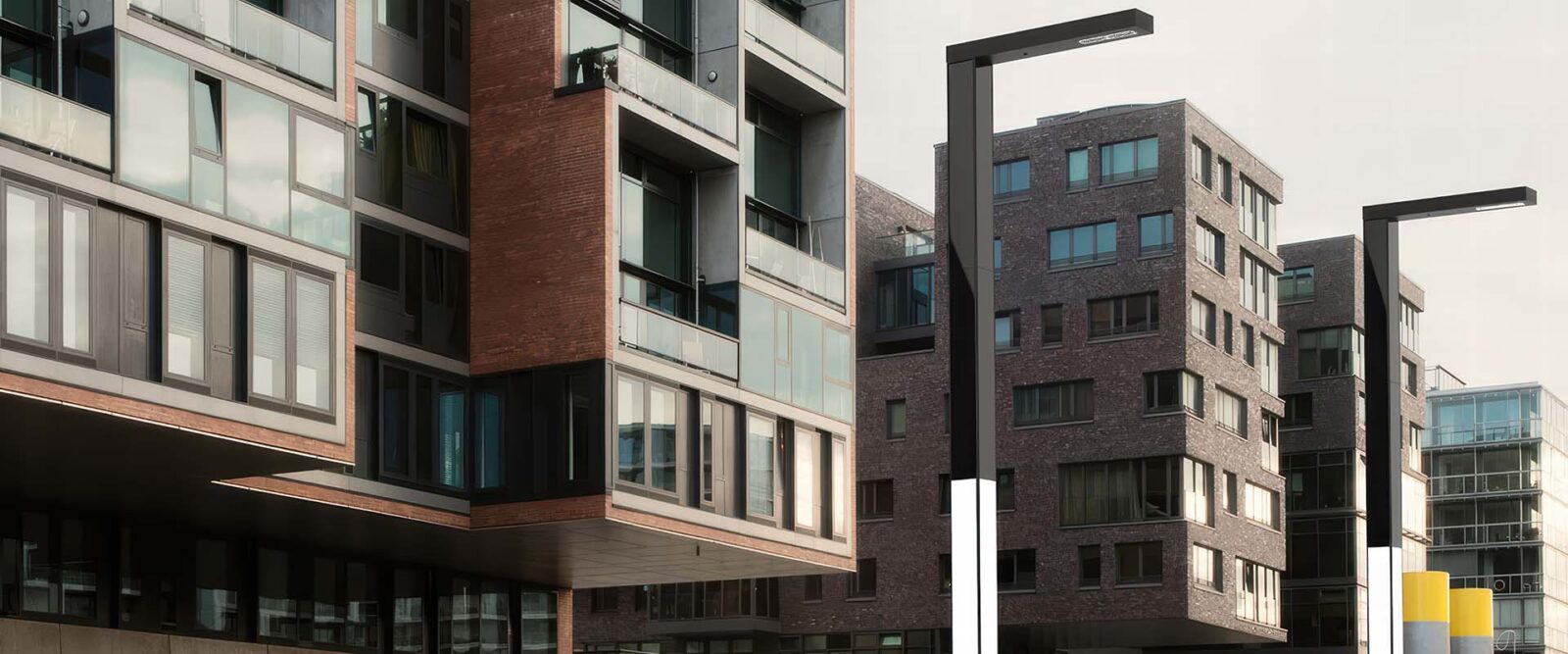
Our Solution: Integrated Exterior Lighting and Electrical Systems
Our approach focuses on delivering integrated exterior lighting and electrical systems that are planned as part of the overall building and site infrastructure, not as isolated components. Exterior lighting solutions are selected and coordinated together with electrical distribution, mounting conditions, and control strategies to ensure technical compatibility from the earliest project stages. This integrated methodology reduces redesign risk, simplifies coordination between trades, and supports predictable installation timelines across residential, commercial, and infrastructure projects.
We supply construction-grade exterior lighting systems designed to perform reliably in real-world conditions. This includes exterior LED lighting fixtures, outdoor area lighting, architectural exterior lighting, and site-specific solutions such as pathway, roadway, and parking area lighting. Each system is considered in relation to its electrical requirements, environmental exposure, and operational demands, allowing lighting performance, durability, and energy efficiency to be addressed together rather than in isolation.
Beyond fixtures themselves, our solutions address the full electrical and control layer that supports outdoor lighting systems. This includes lighting control systems, photocell and dusk-to-dawn operation, motion-based controls, time scheduling, and dimming compatibility where required. By aligning exterior lighting fixtures with appropriate electrical infrastructure and control logic, projects achieve consistent performance, regulatory alignment, and long-term operational stability without unnecessary complexity or overengineering.
Exterior Lighting System Types for Building and Site Applications
Exterior Wall and Facade Lighting Systems |
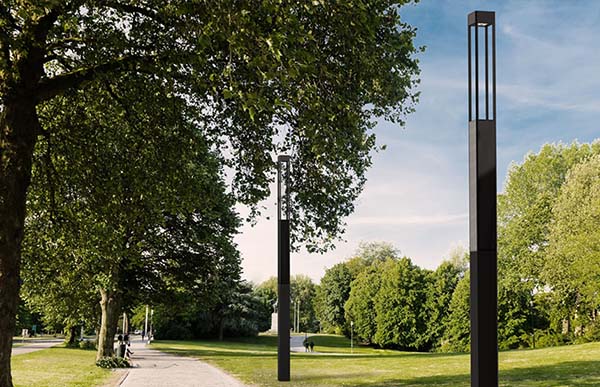
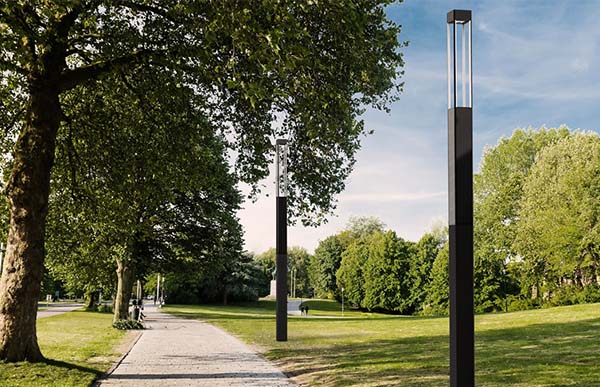
Area and Site Lighting Systems |
| Exterior wall and facade lighting systems include wall-mounted luminaires and architectural lighting fixtures designed for building perimeters, entrances, and vertical surfaces. These systems are specified to integrate with facade assemblies and electrical routing while supporting consistent illumination, controlled glare, and long-term weather resistance in exterior environments. | Area and site lighting systems are designed to illuminate open exterior spaces such as courtyards, campuses, and commercial sites. These systems typically involve pole-mounted or surface-mounted luminaires coordinated with electrical distribution and mounting infrastructure to provide uniform light coverage, safety, and operational reliability. |
Pathway and Landscape Lighting Systems |
Street and Roadway Lighting Systems |
| Pathway and landscape lighting systems are used to define circulation routes, pedestrian zones, and landscaped areas. These systems emphasize low-height luminaires, controlled light distribution, and compatibility with site electrical layouts to support visibility, wayfinding, and environmental integration. | Street and roadway lighting systems are engineered for vehicular circulation areas and public rights-of-way. These systems require coordination between luminaires, pole assemblies, and power distribution to meet illumination levels, spacing requirements, and applicable roadway and municipal standards. |
Parking and Perimeter Lighting Systems |
Architectural and Feature Lighting Systems |
| Parking and perimeter lighting systems support safety and security across parking lots, service areas, and building boundaries. These systems are designed to deliver consistent illumination while integrating lighting controls, mounting solutions, and electrical infrastructure suitable for large exterior zones. | Architectural and feature lighting systems are applied where exterior lighting contributes to visual identity and spatial definition. These systems focus on controlled light placement, fixture integration, and coordination with building geometry to enhance architectural elements without compromising performance or compliance. |
Solar and Off-Grid Lighting Systems |
Lighting Controls and Electrical Support Systems |
| Solar and off-grid lighting systems are specified for locations where conventional electrical infrastructure is limited or impractical. These systems integrate luminaires, power generation, and energy storage to support autonomous exterior lighting applications with reduced installation impact. | Lighting controls and electrical support systems include photocells, motion sensors, time-based controls, dimming interfaces, and associated electrical components. These systems ensure coordinated operation, energy efficiency, and alignment with exterior lighting performance and regulatory requirements. |

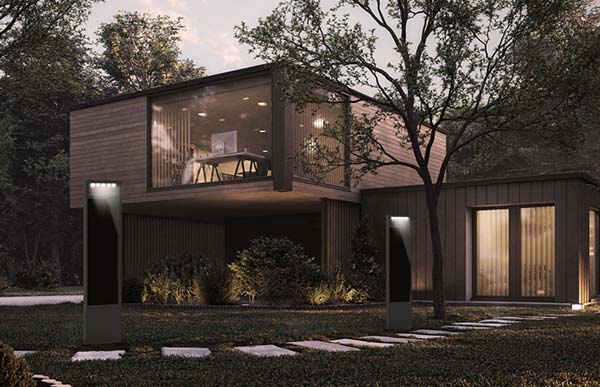
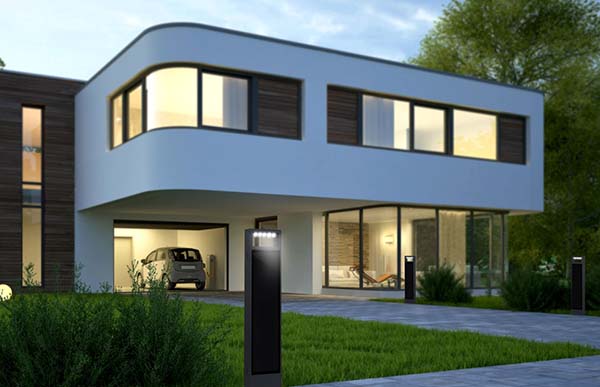
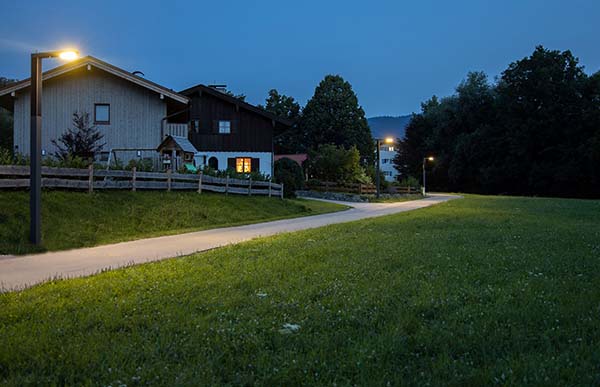
Exterior Lighting System Benefits for Construction Projects
Coordinated System Integration
Exterior lighting systems are specified to align with electrical distribution, mounting conditions, and control requirements. This coordination reduces installation conflicts, limits on-site adjustments, and supports predictable project execution.
Durable Performance in Exterior Conditions
Outdoor lighting fixtures are selected for continuous exposure to weather, temperature variation, and environmental stress. Proper fixture construction and system matching support long-term reliability and consistent illumination.
Energy-Efficient Operation Through Controls
Lighting control systems such as photocell operation, motion sensing, time-based scheduling, and dimming improve energy efficiency while maintaining required illumination levels across exterior areas.
Scalable Application Across Site Conditions
Exterior lighting solutions can be adapted for wall-mounted, area, pathway, roadway, and parking applications. This scalability allows consistent specification logic across different zones within the same project.
Reduced Maintenance and Lifecycle Risk
Properly coordinated exterior lighting and electrical systems help minimize premature component failure and unplanned maintenance. Stable power delivery, compatible controls, and appropriate environmental protection support long-term system reliability.
Consistent Lighting Quality and Safety
Well-specified exterior lighting systems provide uniform illumination and controlled light distribution across building and site environments. This consistency supports visibility, safety, and functional performance in residential, commercial, and infrastructure applications.
Compliance & Standards
Exterior lighting systems are subject to a range of electrical, energy, and safety requirements that vary by jurisdiction and project type. Compliance begins at the specification stage, where exterior lighting fixtures, electrical components, and control strategies must align with applicable codes rather than being addressed as field adjustments. Proper coordination helps ensure that outdoor lighting systems meet inspection requirements and perform as intended once installed.
In the United States, exterior lighting and electrical systems are commonly evaluated against national frameworks such as the National Electrical Code, applicable UL safety standards, and energy code requirements governing outdoor lighting controls and efficiency. These requirements influence fixture selection, wiring methods, grounding, protection, and control logic. Lighting systems that incorporate photocells, motion sensors, time-based controls, or dimming must be specified with an understanding of how these elements interact with local energy codes and electrical regulations.
Because exterior lighting conditions and regulatory interpretations differ between municipalities and project types, compliance cannot rely on assumptions or generic solutions. Exterior lighting systems must be reviewed in the context of site conditions, occupancy use, and authority having jurisdiction requirements. A coordinated approach to exterior lighting and electrical systems supports smoother approvals, reduces inspection risk, and provides a clear framework for long-term operation within established regulatory boundaries.
FAQ
Do exterior lighting systems need to be specified together with electrical infrastructure?
How do lighting controls affect code compliance for outdoor lighting?
Can exterior lighting systems be adapted to different project types and site conditions?
What are common risks when retrofitting existing exterior lighting?
How early should exterior lighting and electrical planning begin in a project?

Managing Exterior Lighting and Electrical Systems Within Your Project Scope
A Priori Source operates as a coordination partner within the construction supply chain, not simply as a distributor of exterior lighting products. Our role is to align exterior lighting and electrical systems with project scope, technical requirements, and regulatory expectations before materials reach the site. This approach helps project teams reduce uncertainty during procurement and avoid downstream coordination issues between lighting, electrical, and installation trades.
We support projects by managing sourcing, documentation, and technical alignment across multiple system components. Exterior lighting fixtures, electrical infrastructure, and control elements are reviewed together to confirm compatibility and suitability for the intended application. By addressing these considerations early, A Priori Source helps maintain specification intent and reduces the need for late substitutions or corrective work during construction.
Our experience across residential, commercial, and infrastructure projects allows us to anticipate common challenges related to availability, lead times, and regional requirements. We focus on clear communication, predictable delivery, and technical clarity so that exterior lighting and electrical systems integrate smoothly into broader project schedules and construction workflows.
Project-Focused Supply Coordination
Exterior lighting and electrical components are sourced and aligned based on project-specific requirements rather than generic product availability, supporting consistent execution across all phases.
Technical Review and Specification Support
System selections are evaluated for compatibility with electrical distribution, controls, and site conditions, helping preserve design intent and reduce field adjustments.
Reliable Procurement and Logistics
Material sourcing and delivery are managed to support construction schedules and minimize disruptions related to lead times or incomplete system packages.
Clear Communication Across Stakeholders
A Priori Source facilitates coordination between designers, contractors, and suppliers to ensure exterior lighting systems are understood, documented, and implemented as intended.
Reliable Delivery of Exterior Lighting and Electrical Systems
Exterior lighting and electrical systems require more than correct product selection. They demand confidence that specifications, sourcing, and coordination will hold up through construction, inspection, and long-term operation. When systems are planned and supplied with this full lifecycle in mind, project teams gain predictability rather than uncertainty at later stages.
A Priori Source supports this confidence by approaching exterior lighting as part of a broader construction system. From early coordination through procurement and delivery, exterior lighting and electrical components are aligned with project requirements, regulatory expectations, and site conditions. This reduces last-minute adjustments and helps ensure that installed systems perform as intended.
If your project involves exterior lighting systems that must integrate reliably with electrical infrastructure and construction schedules, our team can support the process. Contact A Priori Source to discuss system requirements, coordination needs, and sourcing strategies tailored to your project scope.