
- Home
- Products
- Interior Finishes
- Interior Wall and Floor Finishes for Commercial Projects
Interior Wall and Floor Finishes for Regulated and High-Use Environments
Looking for a Trusted Interior Finishes Supplier? Read On.
Materials that actually fit your space
You get interior wall and floor finishes that match how the space will be used. Ceramic and porcelain tiles, LVT flooring, hardwood flooring, or decorative wall panels are selected so they make sense for commercial, hospitality, or multifamily interiors.
Fewer problems during installation
You avoid the typical issues that appear when wall and floor materials are chosen without considering real project conditions. The finishes you receive are appropriate for the application, helping reduce installation conflicts and last-minute changes.
Consistent finishes across the project
You can keep flooring and wall panels aligned across different areas of the building. This helps maintain a consistent interior finish strategy while making larger commercial interiors easier to execute and manage.
When Interior Finish Selection Creates Project Risk
Interior wall and floor finishes play a critical role in the performance, safety, and longevity of commercial interiors. While these materials are often selected early in the design process, their true impact becomes evident during installation, inspection, and long-term operation. In regulated and high-use environments, incorrect material selection can introduce compliance issues, installation conflicts, and premature surface failure.
A common challenge arises from treating different interior finishes as interchangeable solutions. Ceramic and porcelain tiles, luxury vinyl tile, hardwood flooring, and decorative wall panels may coexist within a single project, but each material responds differently to moisture, traffic intensity, acoustic requirements, fire performance criteria, and substrate conditions. Without a clear understanding of these distinctions, materials that perform well in one application may become a liability in another.
Risk is further amplified when wall and floor finishes are specified without coordination across systems. Substrates, adhesives, mounting methods, and adjacent materials must work together as part of a unified interior surface strategy. When finishes are selected in isolation, projects are more likely to face delays, unplanned substitutions, inspection challenges, or costly corrective work late in the construction cycle. Managing these risks requires a structured, performance-driven approach to interior wall and floor material selection.
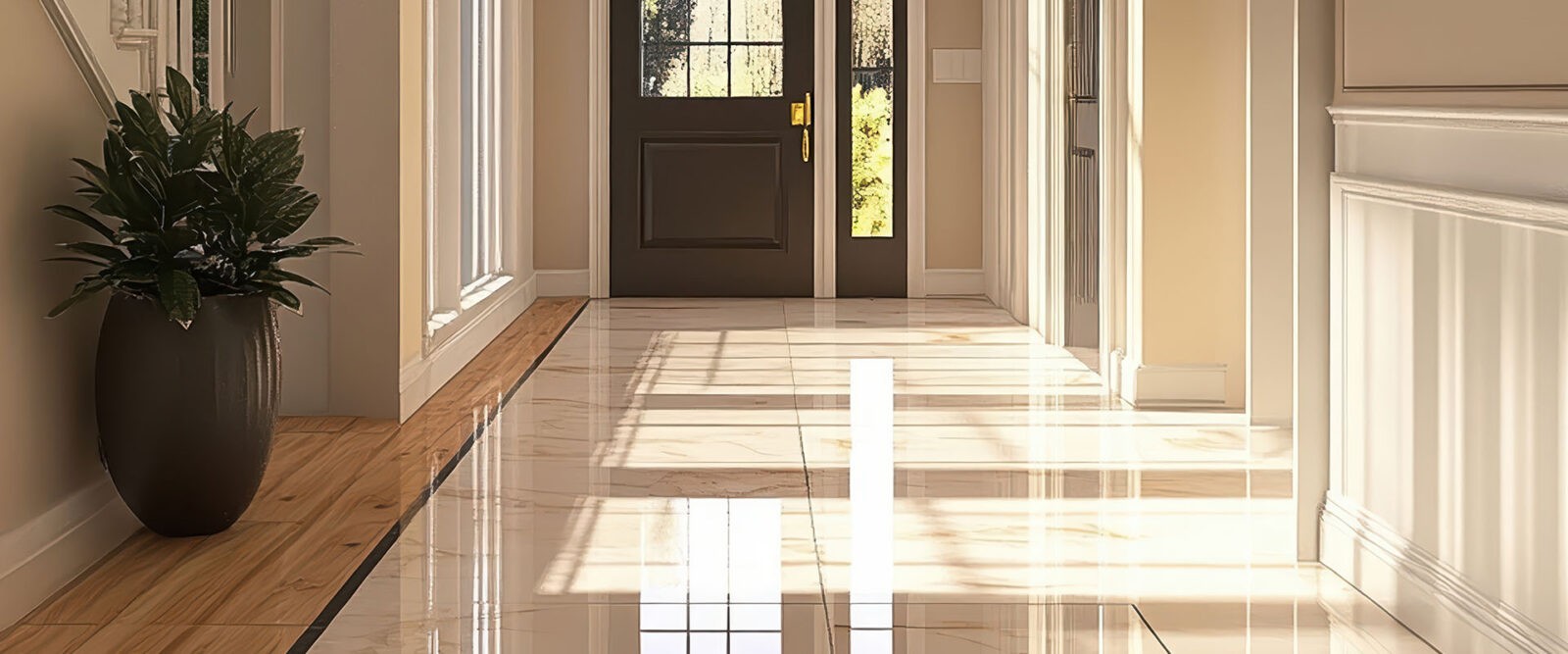
Our Approach to Interior Wall and Floor Solutions
Interior wall and floor finishes require more than a catalog-driven selection process. Each material must be evaluated within the context of its intended application, regulatory environment, and interaction with surrounding systems. Our approach focuses on delivering interior finish solutions that align with project requirements from early specification through installation and long-term use.
We work with a structured range of interior wall and floor materials, including ceramic and porcelain tiles, luxury vinyl tile flooring, hardwood flooring, and decorative wall panels. Rather than treating these products as isolated categories, we position them as complementary surface systems within a unified interior strategy. This allows project teams to combine multiple finish types while maintaining consistency in performance expectations, documentation, and installation logic.
By prioritizing technical suitability, application-specific performance, and compliance readiness, we help reduce uncertainty during procurement and construction. Our process supports informed material selection, coordinated detailing, and reliable documentation, enabling interior wall and floor finishes to perform as intended across commercial, institutional, and mixed-use environments.
Exterior Lighting System Types for Building and Site Applications
Ceramic and Porcelain Tile Systems |
Luxury Vinyl Tile Flooring Systems |
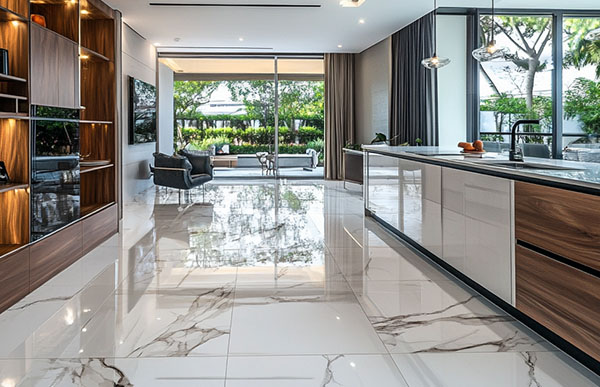
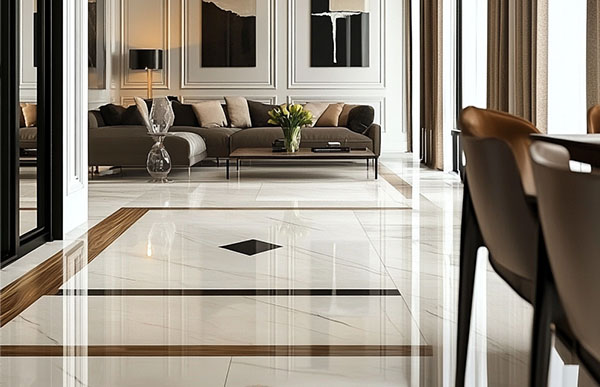
Ceramic and porcelain tile systems are specified for interior wall and floor applications where durability, moisture resistance, and long-term surface stability are critical. These systems are commonly used in high-traffic areas, wet zones, and regulated environments and require coordinated substrate preparation and installation methods.
|
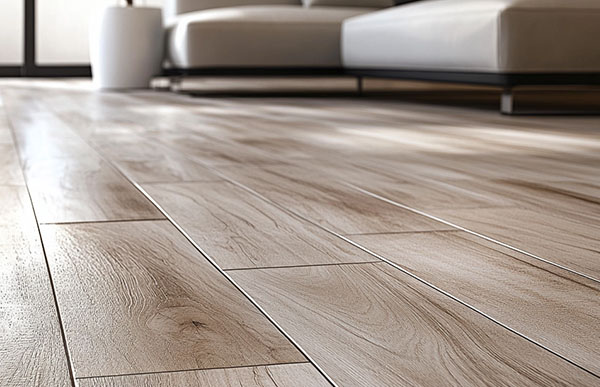
Luxury vinyl tile flooring systems are resilient interior floor solutions designed for commercial environments requiring durability, acoustic comfort, and installation flexibility. These systems support modular layouts and are selected based on performance and substrate conditions.
|
Hardwood Flooring Systems |
Decorative Wall Panel Systems |
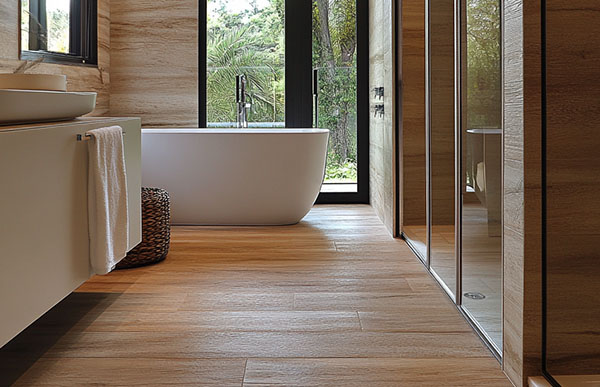
Hardwood flooring systems include engineered and solid wood solutions used in interior environments where natural materials and visual continuity are priorities. Proper evaluation of moisture conditions, substrates, and indoor environments is essential for long-term performance.
|
Decorative wall panel systems are interior wall finish solutions applied to vertical surfaces to introduce texture, acoustic control, and architectural emphasis. These systems are selected based on fire performance, mounting requirements, and integration with surrounding finishes.
|
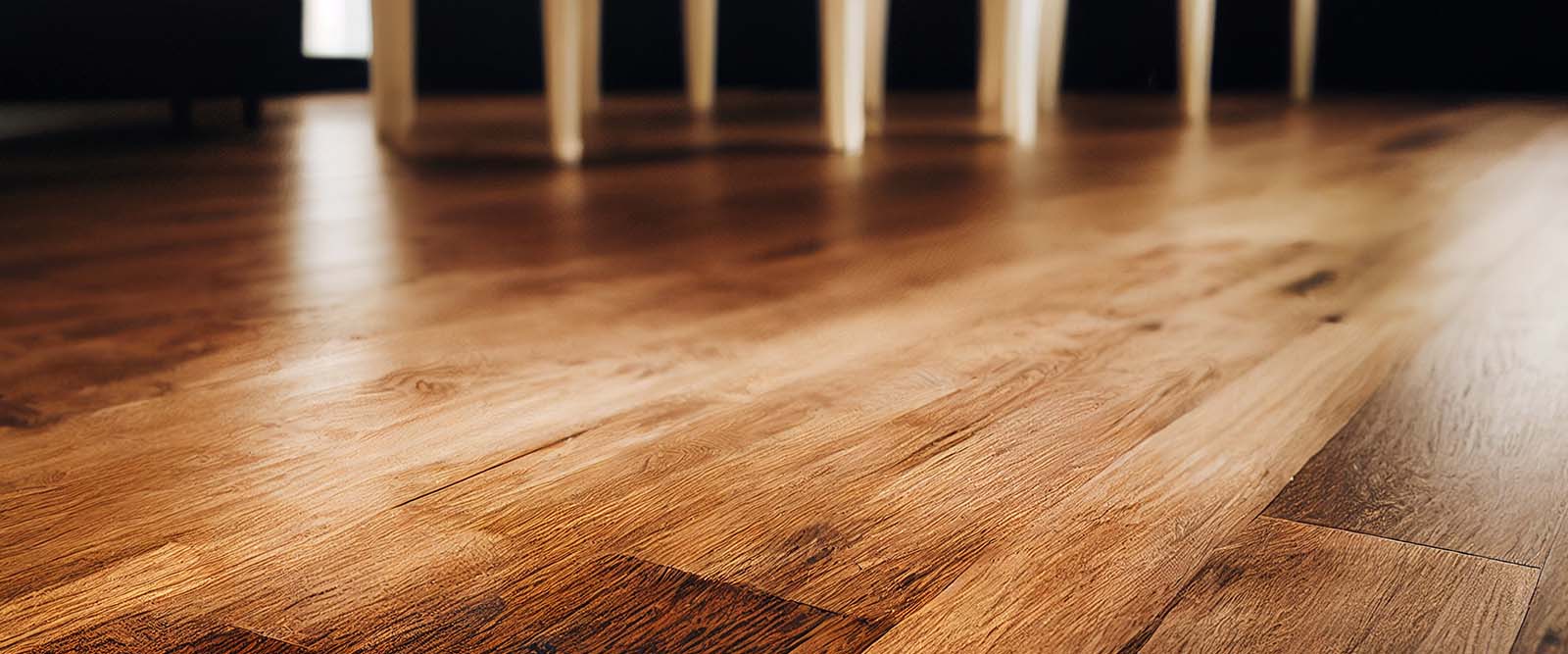
Official North American Distributor of Coswick Hardwood Flooring
A Priori Source is an official North American distributor of Coswick hardwood flooring, giving our clients direct access to an extensive range of wood flooring for residential, commercial, hospitality, and multifamily projects.
The collection includes engineered hardwood flooring, solid wood flooring, wide-plank formats, Herringbone and Chevron patterns, as well as distinctive mosaic and parquetry designs. Oak and American walnut are available across a broad selection of colors, grades, surface treatments, and finishes, allowing the flooring to be coordinated with both contemporary and traditional interiors.
For projects requiring more than a standard plank floor, the range makes it possible to combine conventional hardwood flooring with architectural patterns and feature areas while maintaining consistency in material, finish, and overall interior design.
Performance Benefits Across Interior Wall and Floor Systems
Application-Specific Performance
Interior wall and floor finishes are selected based on their intended use, exposure conditions, and functional requirements. Ceramic and porcelain tiles, LVT flooring, hardwood flooring, and decorative wall panels are applied where their material properties support durability, stability, and consistent performance over time.
Compatibility Across Wall and Floor Assemblies
Interior finish systems are designed to integrate with substrates, mounting methods, and adjacent materials. Proper compatibility between wall and floor finishes reduces installation conflicts, supports consistent detailing, and helps maintain surface continuity across interior environments.
Durability Under Commercial Use
Wall and floor materials specified for commercial interiors must withstand continuous foot traffic, cleaning cycles, and environmental exposure. System-based selection supports long-term surface integrity and reduces the risk of premature wear or replacement.
Design Flexibility Within Technical Limits
Interior finish systems support a wide range of visual and spatial design objectives while remaining within defined performance parameters. This allows designers to combine different wall and floor materials without compromising functional requirements or regulatory considerations.
Predictable Installation Outcomes
Coordinated interior wall and floor systems account for installation methods, tolerances, and sequencing. This predictability minimizes on-site adjustments and supports efficient coordination between trades during construction.
Compliance & Standards
Interior wall and floor finishes used in commercial and regulated environments must align with applicable building codes, material standards, and performance requirements. Ceramic and porcelain tiles, LVT flooring, hardwood flooring, and decorative wall panels are subject to different regulatory considerations depending on their material composition, application, and location within the building. Addressing these requirements at the specification stage helps reduce approval risks and supports smoother project execution.
Wall and floor systems are commonly evaluated against recognized U.S. standards governing material performance, fire behavior, and indoor environment suitability. Interior finish materials may require classification for flame spread and smoke development, verification of material properties, and documentation supporting appropriate use by occupancy type and installation location. Where applicable, system selection also considers installation-related standards to ensure compatibility with substrates and assemblies.
For wood-based interior finishes, including hardwood flooring and certain decorative wall panels, additional attention is given to indoor air quality and emissions considerations. Composite wood products used within interior environments are typically assessed for compliance with applicable federal requirements governing formaldehyde emissions. Proper documentation helps confirm that interior wall and floor materials meet expectations for occupied spaces.
By aligning interior finish systems with applicable codes and standards, projects benefit from clearer documentation pathways, reduced inspection challenges, and greater confidence in long-term material performance. Compliance-focused selection supports responsible use of interior wall and floor finishes across commercial, institutional, and mixed-use environments without overextending material capabilities beyond their intended applications.
FAQ
What coordination issues should be considered when specifying tile for walls and floors?
What makes LVT suitable for commercial interior environments?
What are the key installation considerations for LVT flooring systems?
How do engineered and solid hardwood flooring systems differ in application?
What limitations should be considered when using hardwood flooring in commercial spaces?
What functions do decorative wall panels serve beyond aesthetics?
What performance requirements affect where wall panels can be installed?
Managing Exterior Lighting and Electrical Systems Within Your Project Scope
Interior wall and floor finishes introduce complexity that extends beyond material selection. Coordinating multiple surface types within a single project requires alignment between specifications, documentation, logistics, and installation sequencing. A Priori Source supports this process by acting as a single point of coordination for interior finish materials across wall and floor applications.
We work with project teams to align material selection with application requirements, performance expectations, and regulatory considerations. Rather than offering isolated products, we help structure interior finish packages that account for how different systems interact within the built environment. This approach reduces fragmentation, limits late-stage substitutions, and supports more predictable project outcomes.
Our role extends into documentation and delivery coordination. We support specification workflows with relevant technical information and assist in aligning material availability with construction schedules. By managing these elements together, we help project teams maintain control over interior wall and floor finishes from early planning through installation.
Project-Oriented Material Coordination
Interior finish materials are managed as part of a coordinated system rather than as individual products, helping reduce conflicts between wall and floor assemblies.
Documentation-Driven Support
We assist with assembling and organizing technical documentation to support permitting, approvals, and installation planning.
Supply Chain Alignment
Material sourcing and delivery are coordinated to align with project timelines and sequencing requirements, reducing disruptions on site.
Single Point of Responsibility
Project teams benefit from a centralized partner managing interior wall and floor finishes across multiple material categories.
Confident Interior Finish Solutions for Complex Projects
Interior wall and floor finishes influence not only how spaces look, but how they perform, comply, and endure over time. When multiple surface systems are combined within a single project, success depends on informed selection, coordinated documentation, and reliable execution across all interior applications.
By approaching ceramic and porcelain tiles, LVT flooring, hardwood flooring, and decorative wall panels as integrated interior systems, project teams gain greater clarity and control. This structured approach helps reduce uncertainty, supports compliance, and enables interior finishes to perform as intended throughout the life of the building.
To discuss interior wall and floor finishes for your project, or to review application-specific requirements, connect with A Priori Source. Our team is prepared to support material selection, documentation coordination, and delivery planning for commercial and regulated interior environments.