
- Home
- Products
- Interior Finishes
- Interior LED Lighting, Electrical & Control Systems
Interior LED Lighting & Control Systems
Looking for a Trusted electrical systems Supplier? Read On.
Make the Right Lighting Decisions Early
You get guidance on interior LED lighting, drivers, and control systems before choices become locked in. This helps avoid common issues such as incompatible dimming, uncomfortable light quality, or systems that feel overly complex once the space is in use.
Keep Residential and Commercial Needs Aligned
Whether you are planning a home interior or a commercial space, you get lighting systems that match how the space is actually used. Residential projects stay comfortable and discreet, while commercial interiors remain efficient, durable, and easy to manage over time.
From Concept to Installation
You work with lighting systems that are planned with electrical requirements, controls, and code expectations in mind. This reduces last-minute changes, supports smoother approvals, and helps projects move forward without unnecessary delays.
Risks of Poorly Coordinated Interior LED Lighting Systems
Interior LED lighting projects often fail not because of the luminaires themselves, but due to poor coordination between lighting fixtures, power infrastructure, drivers, and control systems. In residential interiors, this typically results in uncomfortable light quality, flicker during dimming, or control systems that feel intrusive rather than intuitive. In commercial environments, the risks scale quickly, leading to commissioning delays, inconsistent performance across spaces, and systems that are difficult to operate or maintain.
A common challenge across both residential and commercial interior LED lighting systems is component incompatibility. LED drivers that are not properly matched to loads, dimmers that do not align with driver specifications, or control protocols that are selected without considering future scalability can compromise the entire system. These issues often surface late in the project, when corrections are costly and disruptive, especially in retrofit scenarios where rewiring or hardware replacement is limited.
Code compliance adds another layer of risk. Interior LED lighting systems in the United States must align with electrical safety requirements, energy codes, and control mandates that vary by jurisdiction. Failing to account for Class 2 power limitations, required dimming and occupancy controls, or inspection expectations can result in failed approvals, rework, and project delays. For commercial interiors, this directly affects operating costs and timelines. For residential projects, it undermines comfort, usability, and long-term satisfaction with the space.
Integrated Interior LED Lighting, Electrical, and Control Solutions
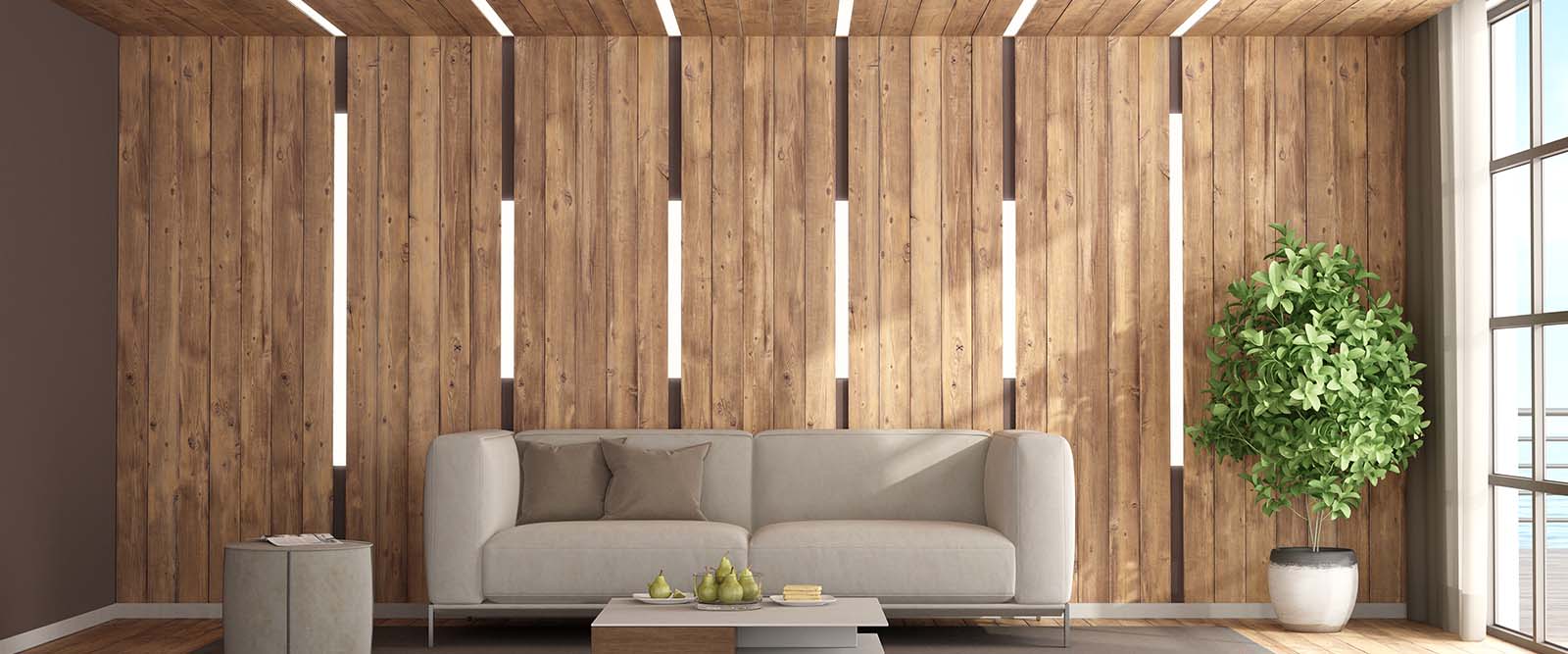
Effective interior LED lighting requires more than selecting individual fixtures or control devices. Successful projects are built around coordinated systems that align lighting performance, electrical infrastructure, drivers, and control strategies from the outset. This integrated approach reduces compatibility risks and ensures that interior LED lighting systems perform as intended across residential and commercial environments.
For residential interiors, an integrated lighting and electrical system supports visual comfort, clean architectural integration, and intuitive control. Thoughtfully coordinated LED lighting systems allow luminaires, drivers, and dimming controls to work together quietly and reliably, avoiding flicker, uneven output, or intrusive control interfaces. This is especially important in renovation and retrofit projects, where existing wiring and construction conditions limit corrective options.
In commercial interiors, integration directly impacts efficiency, reliability, and long-term operation. Coordinated LED lighting and control systems support consistent light quality, predictable dimming behavior, and centralized management when required. By addressing power distribution, driver selection, and lighting controls as part of a unified system, projects can meet performance expectations, energy requirements, and operational goals without introducing unnecessary complexity.
System Types for Interior LED Lighting and Electrical Integration
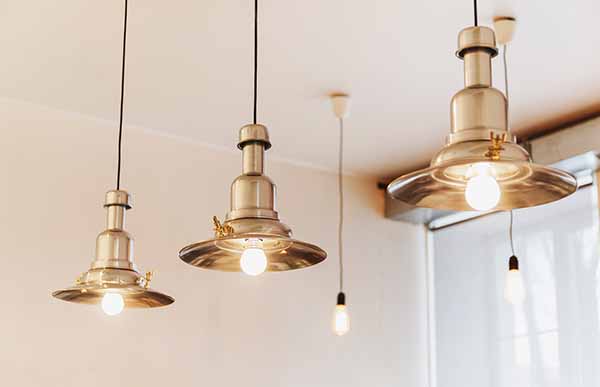
Architectural Interior LED Lighting Systems |
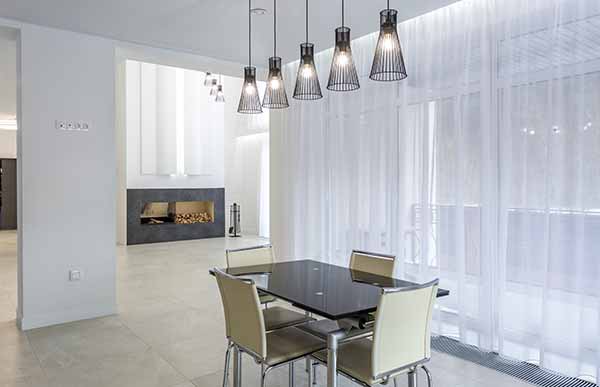
Linear and LED Strip Lighting Systems |
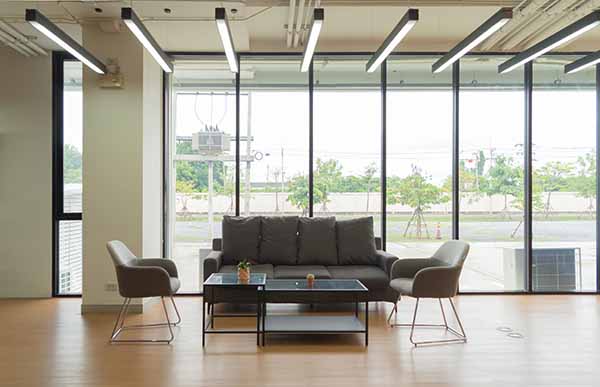
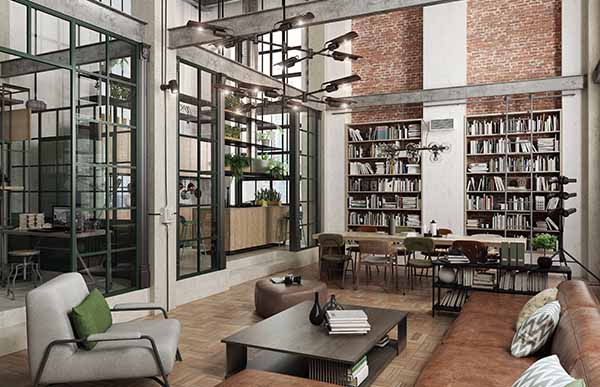
Architectural interior LED lighting systems are specified to support visual comfort, spatial clarity, and consistent light quality across residential and commercial interiors. These systems are developed to integrate cleanly with ceilings, walls, and architectural elements while aligning with electrical distribution and control requirements.
|
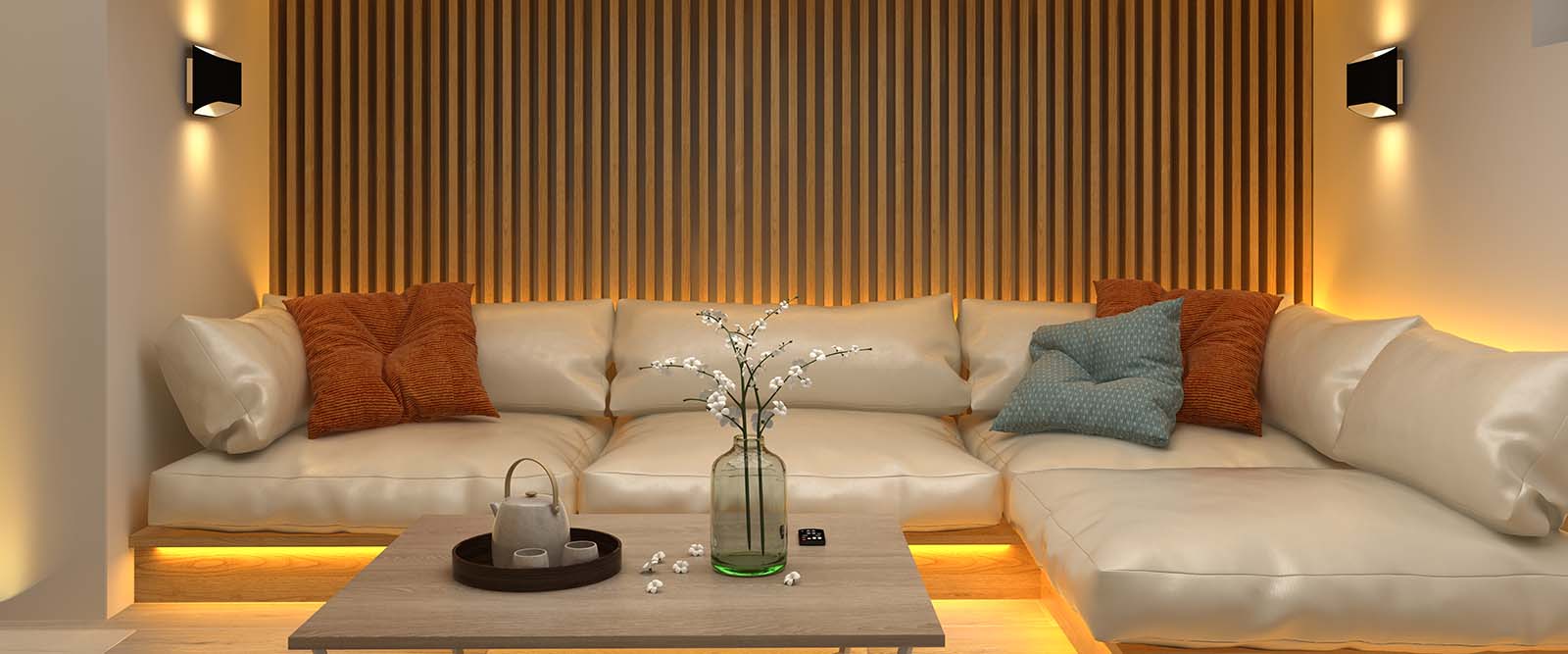
Linear and LED strip lighting systems are designed as integrated lighting assemblies rather than standalone light sources. These systems combine LED strips, channels, diffusers, power supplies, and controls to achieve uniform light output and precise architectural integration.
|
LED Drivers and Electrical Power Infrastructure |
Lighting Control and Automation Systems |
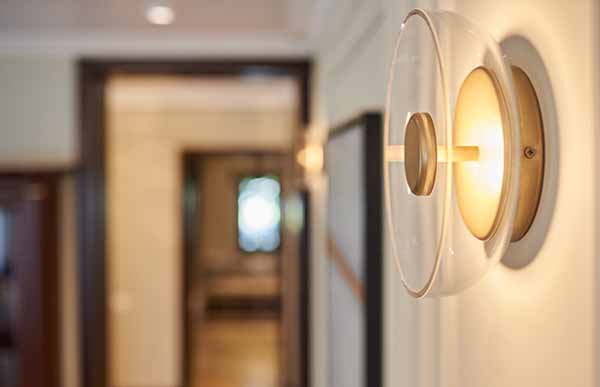
LED drivers and power infrastructure form the foundation of reliable interior LED lighting systems. These components are selected to ensure stable output, compatible dimming behavior, and compliance with electrical safety requirements across different project types.
|
Lighting control and automation systems coordinate how interior lighting is operated, adjusted, and managed over time. These systems support both simple residential control scenarios and scalable commercial applications, allowing lighting performance to adapt to occupancy, schedules, and user needs.
|
Key Benefits of Integrated Interior LED Lighting Systems
Reduced Integration Risk Across Lighting, Drivers, and Controls
Interior LED lighting systems perform predictably when fixtures, LED drivers, and lighting control systems are coordinated as a single solution. This reduces late stage incompatibility issues that often appear during commissioning and dimming setup.
Stable Dimming Performance and Flicker Control
Dimmable LED drivers and compatible lighting controls support smooth, low level dimming without visual instability. This improves comfort in residential interiors and supports consistent performance in commercial lighting environments.
Flexible System Design for Residential and Commercial Interiors
Architectural LED lighting and LED strip lighting systems can be configured for discreet residential integration or scalable commercial layouts. A system approach supports different applications without forcing rework or component substitutions.
Cleaner Architectural Integration for Interior Finishes
Linear LED lighting, recessed LED lighting, and LED channel systems are specified to align with ceilings, millwork, and interior detailing. This supports visually quiet installation outcomes and consistent light distribution.
Code Ready Electrical Safety and Control Requirements
Interior LED lighting solutions can be planned around Class 2 power distribution, UL listed components, and common US control requirements such as occupancy sensors and automatic shut off. This reduces inspection risk and supports energy code compliance.
Compliance & Standards
Interior LED lighting systems in the United States must comply with a combination of electrical safety standards, energy codes, and control requirements that directly affect system design and component selection. These regulations influence how lighting fixtures, LED drivers, and control systems are specified, installed, and approved across both residential and commercial interiors. Addressing code requirements early in the design process reduces inspection risk and prevents costly adjustments during installation.
Electrical safety is primarily governed by the National Electrical Code, with Class 2 low voltage circuits commonly used for interior LED lighting applications. Class 2 power distribution limits available power to improve safety and simplify installation, particularly for LED strip lighting systems and architectural interior lighting. Selecting Class 2 LED drivers and compatible electrical infrastructure supports safer integration while aligning with typical permitting and inspection expectations.
Energy efficiency and lighting controls are also regulated at the state and local level, often based on ASHRAE standards or stricter regional codes. Many jurisdictions require dimmable lighting, automatic shut off, and occupancy based controls in residential kitchens, bathrooms, and commercial interior spaces. Interior LED lighting systems that integrate compatible drivers, lighting controls, and sensors are better positioned to meet these requirements without compromising performance or usability.
In addition, the use of UL listed LED drivers, luminaires, and control components is a common expectation for professional projects. Proper certification supports compliance with electrical safety standards and helps ensure predictable performance, particularly in dimmed and automated lighting environments. Coordinated lighting systems that account for code requirements, control compatibility, and certification standards are easier to approve, install, and operate over time.
FAQ
How do interior LED lighting systems address component compatibility?
Are lighting systems suitable for both residential and commercial projects?
How do lighting codes and permitting affect interior LED lighting design?
Can interior LED lighting systems be applied in renovation and retrofit projects?
Why Choose A Priori Source for Kitchen and Bathroom Cabinetry
Interior LED lighting and electrical systems require careful coordination across multiple disciplines, from lighting design and power infrastructure to controls and code compliance. A Priori Source supports this process by acting as a single point of coordination between system requirements, sourcing, and project delivery. This approach helps reduce fragmentation and ensures that lighting, electrical, and control components align with project intent from early planning through installation.
Rather than treating lighting as a standalone finish, A Priori Source works with project teams to frame interior LED lighting systems as part of the broader interior and electrical scope. This includes aligning system selections with architectural constraints, construction sequencing, and regulatory requirements specific to residential and commercial interiors. The result is a clearer path from specification to execution, with fewer late stage adjustments.
By combining global sourcing capabilities with local project support, A Priori Source helps teams navigate availability, lead times, and technical coordination without compromising system performance. This balance allows interior lighting and control solutions to remain adaptable while supporting predictable outcomes across different project scales and applications.
Coordinated System Sourcing and Specification
Cabinetry systems are reviewed and aligned with project documentLighting fixtures, LED drivers, and control components are sourced and coordinated as part of a unified system strategy. This reduces fragmentation between suppliers and helps ensure that selected components align with project requirements and installation conditions.ation, layouts, and sequencing requirements to support predictable approvals and installation.
Technical Alignment with Project Constraints
System selections are reviewed in the context of electrical infrastructure, control strategies, and regulatory considerations. This alignment supports smoother permitting, clearer documentation, and fewer technical conflicts during installation.
Single Point of Coordination for Project Teams
Architects, designers, and contractors work through a structured coordination process rather than managing multiple disconnected vendors. This reduces communication overhead and supports more predictable project execution.
Global Sourcing with Local Project Support
Interior lighting and electrical solutions are sourced globally while being supported locally throughout the project lifecycle. This approach balances availability, lead times, and technical support without compromising system intent.
Interior LED Lighting Systems Designed for Confident Project Delivery
Interior LED lighting, electrical infrastructure, and control systems perform best when they are planned as coordinated solutions rather than assembled reactively. A structured approach to system selection, compliance, and integration helps reduce technical risk while supporting long-term performance across residential and commercial interiors.
By aligning lighting systems with architectural intent, electrical requirements, and operational expectations, projects gain clarity at every stage, from specification through installation and use. This coordination supports predictable outcomes, smoother approvals, and lighting environments that remain adaptable as needs evolve.
If you are planning an interior lighting project and need support aligning lighting, power, and control systems within a single, coherent framework, our team is ready to assist. Contact A Priori Source to discuss your project requirements and explore coordinated interior lighting solutions that support confident execution.