For decades, wood-frame construction defined residential housing across the United States. It became the standard because it was fast, widely available, and optimized for lower upfront construction costs.
That model worked well for a long time.
But modern residential construction is being shaped by pressures that did not exist at the same scale twenty or thirty years ago. Rising insurance costs, increasingly destructive hurricanes and wildfires, higher energy prices, and growing long-term maintenance concerns are forcing homeowners and developers to rethink what a house is expected to do.
Today, more people are asking:
“What happens to this structure over the next 30 years?”
That shift is one of the main reasons insulated concrete form systems, commonly known as ICF construction, are becoming a serious alternative to traditional wood-frame homes across the United States.
Why Wood Framing Is No Longer the Automatic Choice
Traditional wood framing still dominates the U.S. residential market for understandable reasons:
-
lower upfront cost
-
broad contractor familiarity
-
easier field modifications
-
established supply chains
However, many of the assumptions behind light-frame construction were established during a period when climate exposure, insurance pressure, and long-term operating costs were less aggressive than they are today.
Modern homeowners increasingly evaluate houses based on:
-
energy efficiency
-
long-term durability
-
storm resistance
-
fire exposure
-
maintenance costs
-
structural reliability
That changes the conversation from:
“What is cheapest to build?”
To:
“What is most reliable to own?”
What Makes ICF Construction Different
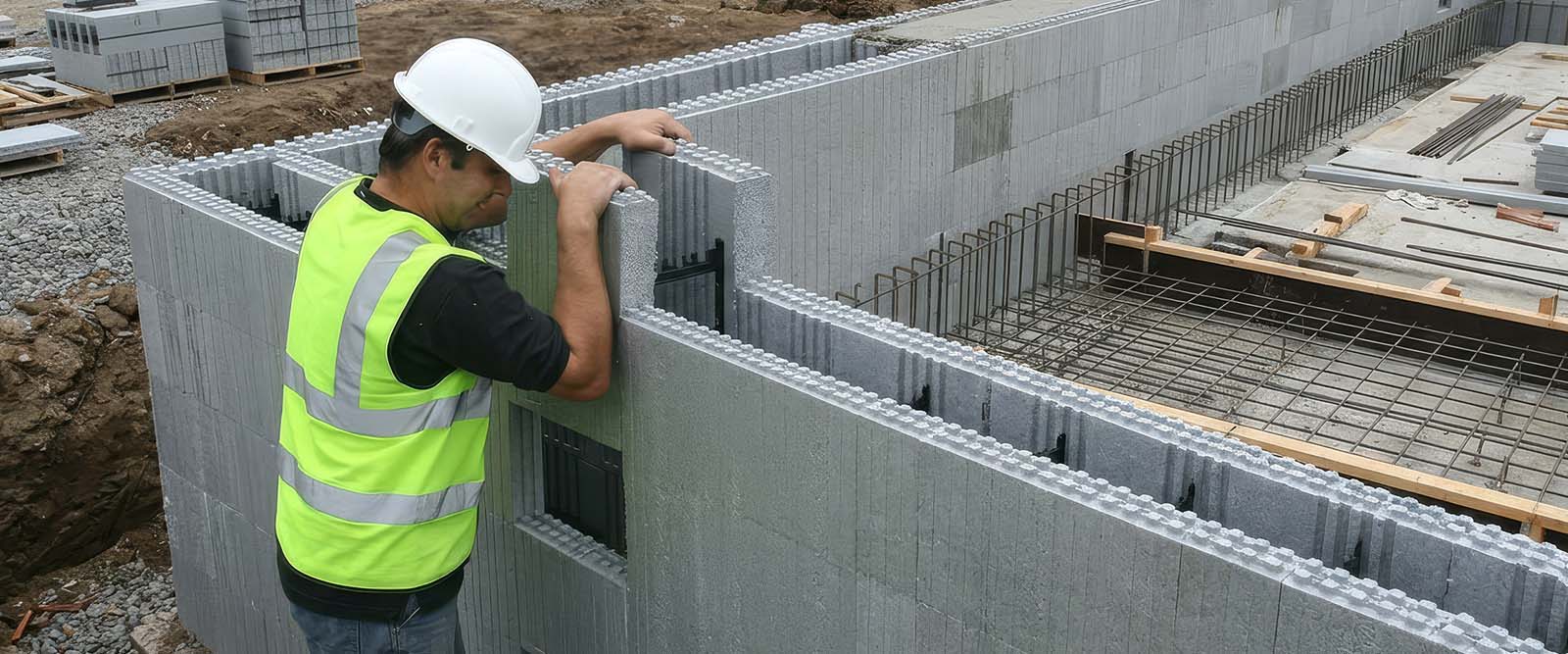
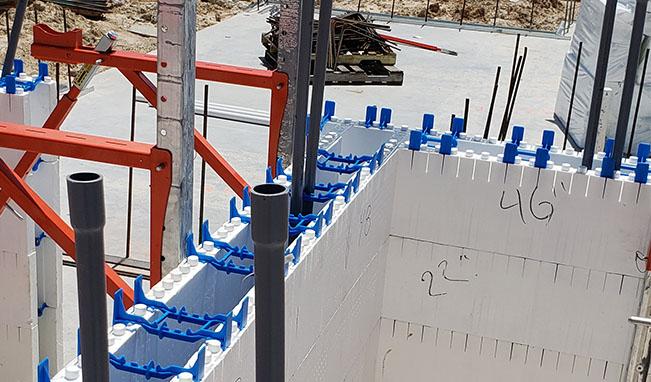
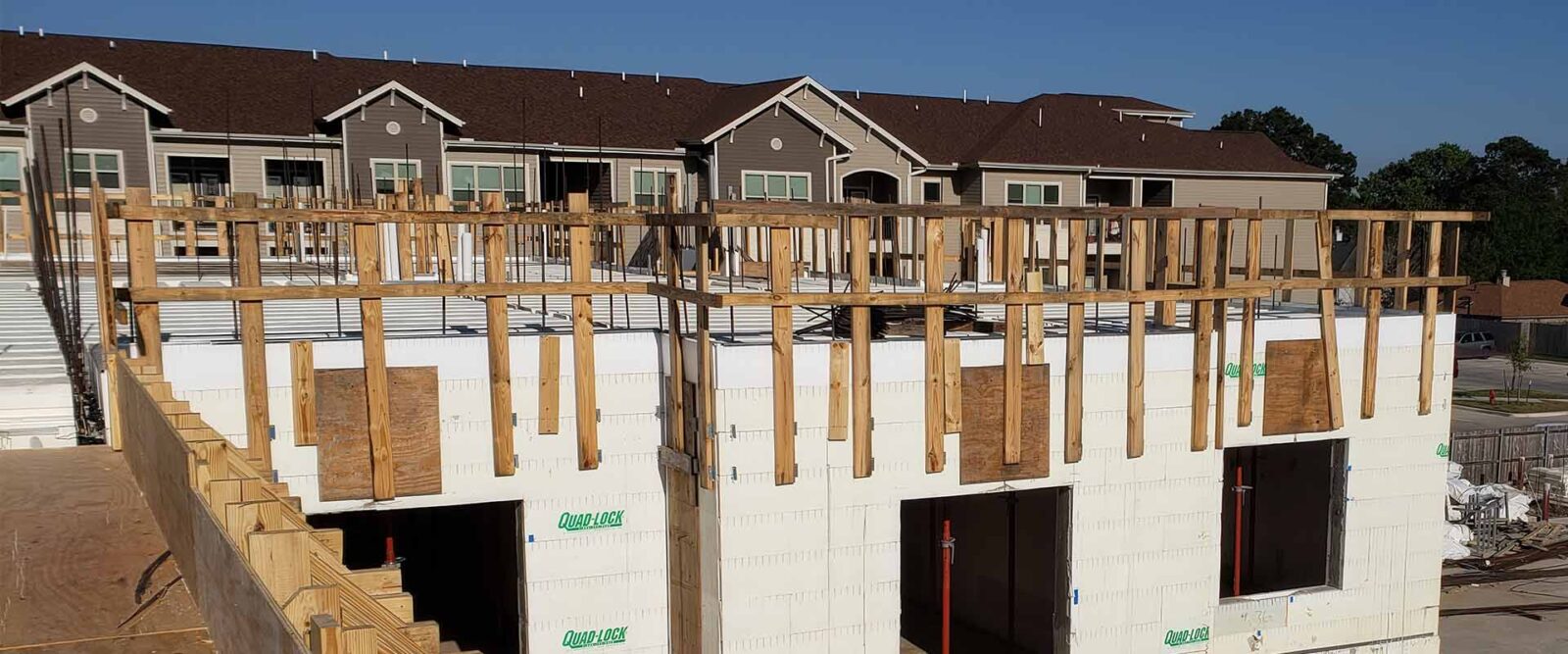
Insulated concrete forms combine reinforced concrete and continuous insulation into a single wall assembly.
Instead of relying on hollow stud cavities and multiple disconnected wall layers, ICF systems create reinforced concrete walls surrounded by rigid insulation.
Typical insulated concrete form systems include:
ICF System Component |
Purpose |
| Reinforced Concrete Core | Provides structural strength, continuous load transfer, and long-term durability. |
| Continuous EPS Insulation | Helps reduce thermal bridging and improve overall building envelope performance. |
| Integrated Fastening Webs | Support drywall, finishes, cabinets, and interior installations. |
| Monolithic Wall Assembly | Combines structure and insulation into a single coordinated system. |
Unlike conventional framed construction, insulated concrete forms approach the building envelope as a unified structural and thermal system rather than a collection of separate materials.
ICF vs Wood Frame Construction
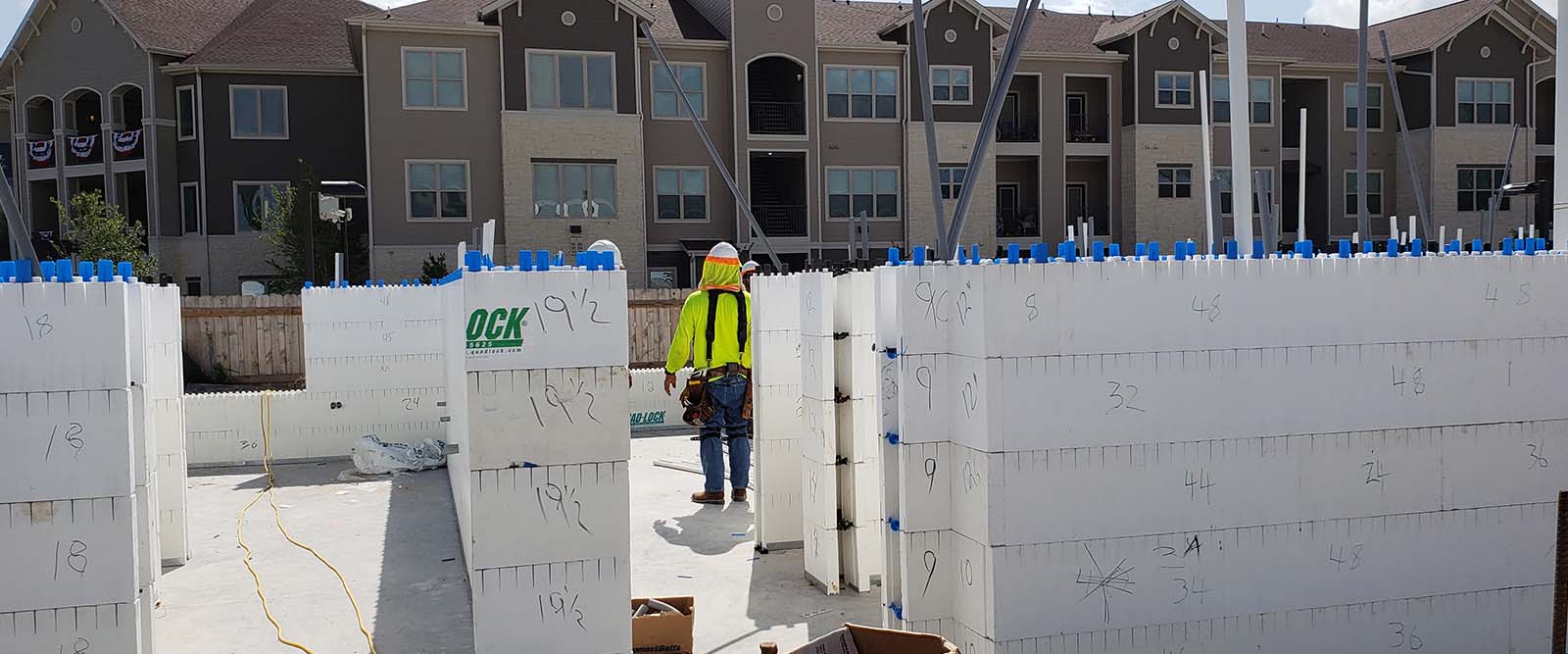
The difference between reinforced concrete wall systems and traditional wood framing becomes more noticeable when evaluating long-term performance rather than only initial construction cost.
Performance Area |
ICF Construction Systems |
Traditional Wood Frame Construction |
| Thermal Performance | Continuous insulation helps reduce thermal bridging and improve indoor temperature stability. | Stud framing interrupts insulation layers and creates thermal bridging throughout the wall system. |
| Energy Efficiency | Studies and industry data commonly report energy savings ranging from 20% to 50% compared to conventional framed homes depending on climate and design conditions. :contentReference[oaicite:0]{index=0} | Energy performance depends heavily on cavity insulation quality, air sealing, and framing configuration. |
| Fire Resistance | ICF walls can achieve fire resistance ratings of up to 4 hours due to reinforced concrete cores and protected insulation assemblies. :contentReference[oaicite:1]{index=1} | Wood framing relies on combustible structural components protected through layered fire-rated assemblies. |
| Wind Resistance | Continuous reinforced concrete walls are commonly used in hurricane-prone regions due to improved structural continuity and impact resistance. :contentReference[oaicite:2]{index=2} | Structural loads transfer through multiple framing connections that may become vulnerable under extreme conditions. |
| Moisture and Rot Exposure | Concrete structural systems are not vulnerable to rot or termite damage in the same way as organic framing materials. | Wood framing may be affected over time by moisture intrusion, mold, rot, and insect activity. |
| Sound Insulation | Standard ICF walls commonly achieve STC ratings between 46 and 72 depending on wall configuration. :contentReference[oaicite:3]{index=3} | Standard wood-frame walls typically achieve lower sound isolation ratings without additional acoustic assemblies. |
| Structural Strength | Industry references describe reinforced concrete ICF walls as capable of achieving significantly greater structural strength than light-frame construction. :contentReference[oaicite:4]{index=4} | Wood-frame walls rely on multiple connected structural members and fasteners. |
| Construction Familiarity | Requires experienced ICF installation crews and earlier planning coordination. | Broad contractor familiarity and flexible field modifications. |
Energy Costs Are Reshaping Residential Construction
One of the biggest changes in the housing market is that energy efficiency is no longer viewed as a luxury upgrade.
It is becoming part of the operating cost equation.
According to multiple industry and housing studies, insulated concrete form homes commonly demonstrate measurable reductions in heating and cooling demand due to:
-
lower upfront cost
-
broad contractor familiarity
-
easier field modifications
-
established supply chains
Some studies cited by ICF industry sources report energy savings ranging between 20% and 50% compared to conventional wood-frame homes depending on climate and building design.
As utility costs continue to rise across many U.S. regions, this becomes increasingly important for long-term residential affordability.
Why Climate Resilience Is Changing Construction Decisions
Another major shift in residential construction is the growing focus on structural resilience.
Wildfires, hurricanes, flooding events, and severe weather conditions are now directly influencing where and how people build.
This is one reason insulated concrete form systems are increasingly used in:
Project Environment |
Why ICF Systems Are Commonly Selected |
| Wildfire-Prone Regions | Non-combustible reinforced concrete cores help improve fire resistance compared to combustible framing systems. |
| Hurricane and Coastal Areas | Continuous reinforced concrete wall systems improve resistance to wind loads and flying debris. |
| Cold Northern Climates | Continuous insulation supports improved thermal performance and indoor temperature stability. |
| Hot Southern Climates | Reduced thermal transfer can help lower cooling demand and HVAC load fluctuations. |
| Multifamily and High-Performance Residential Projects | ICF systems combine structural durability, sound control, and energy efficiency within a consolidated wall assembly. |
The Less Discussed Reason More People Are Interested in ICF Homes
There is also a psychological factor influencing construction choices today.
Many homeowners simply want a house that feels more solid, more permanent, and more resistant to uncertainty than conventional framed construction.
That does not mean people are looking for fortified structures.
But concerns around:
-
severe weather
-
fire exposure
-
rising repair costs
-
long-term durability
-
physical structural integrity
are becoming more common in residential decision-making.
In that environment, reinforced concrete wall systems provide a different level of confidence than hollow framed wall assemblies.
Why Wood Framing Will Still Remain Common
Despite growing interest in insulated concrete forms, wood framing will continue to dominate many residential projects.
It remains:
Why Wood Framing Remains Popular |
Why Some Homeowners Shift Toward ICF |
| Lower upfront construction cost | Reduced long-term maintenance exposure |
| Large contractor labor pool | Improved energy efficiency and thermal performance |
| Flexible field modifications | Greater structural resilience in climate-exposed regions |
| Familiar construction methods | Reinforced concrete structural systems |
| Established supply chains | Long-term durability and integrated insulation systems |
The market is not moving toward a single universal solution.
But residential construction is increasingly shifting toward performance-based decision making rather than purely upfront construction economics.
Looking Beyond Conventional Framing
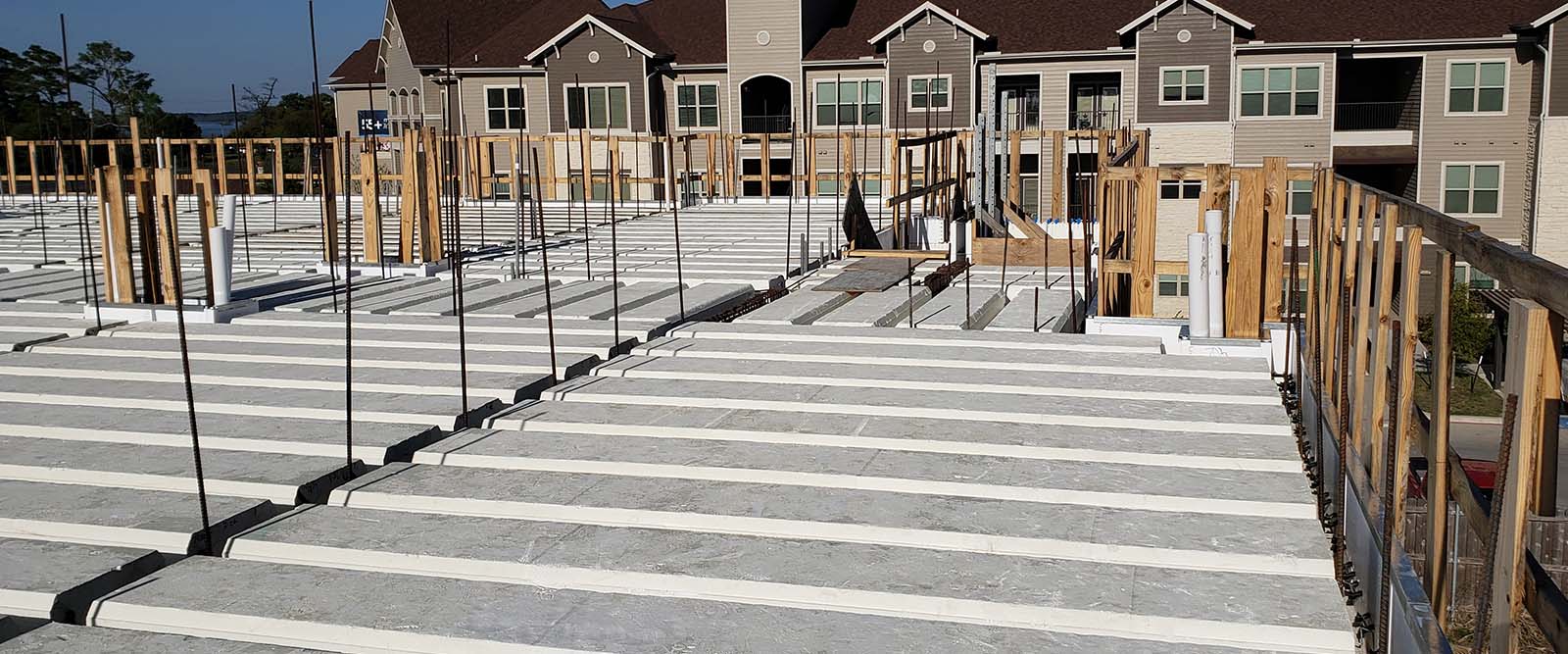
At A Priori Source, we work with insulated concrete form wall, foundation, and deck systems intended for modern residential and multifamily construction across the United States.
As more builders, developers, and homeowners evaluate alternatives to traditional wood-frame construction, reinforced concrete ICF systems are becoming part of a broader shift toward long-term residential durability, energy efficiency, and structural resilience in real-world conditions.