
- Home
- Products
- Equipment & Machinery
- Sand Washing Plants & Equipment
Complete Sand Washing & Aggregate Processing Systems
What You Get for Your Sand Washing Operation
A Plant Matched to Your Material
You get a sand washing plant selected around your feed, production rate, and required finished product.
One System That Works Together
You get sand washing equipment configured as one line, with washing, screening, conveying, and stockpiling working together.
A Layout That Fits Your Site
You get an aggregate washing plant planned around your available space, stockpile needs, and operating conditions.
When the Plant Does Not Match the Material
A sand washing plant has to be selected around the material entering the system, not only around a target tons-per-hour number. Feed gradation, moisture, silt and fines content, particle sizes, and the required finished products all affect how the washing and screening stages need to be configured.
Problems begin when individual pieces of sand washing equipment are selected without considering the complete material flow. A washer, screen, or conveyor may have enough rated capacity on its own, while another stage limits production, creates excessive material handling, or makes it difficult to keep finished products properly separated.
Site conditions matter just as much. Available space, stockpile locations, water and power requirements, equipment access, and the desired level of automation all influence the final sand wash plant or aggregate washing plant layout. These factors need to be considered before the equipment configuration is finalized, not after the plant reaches the site.
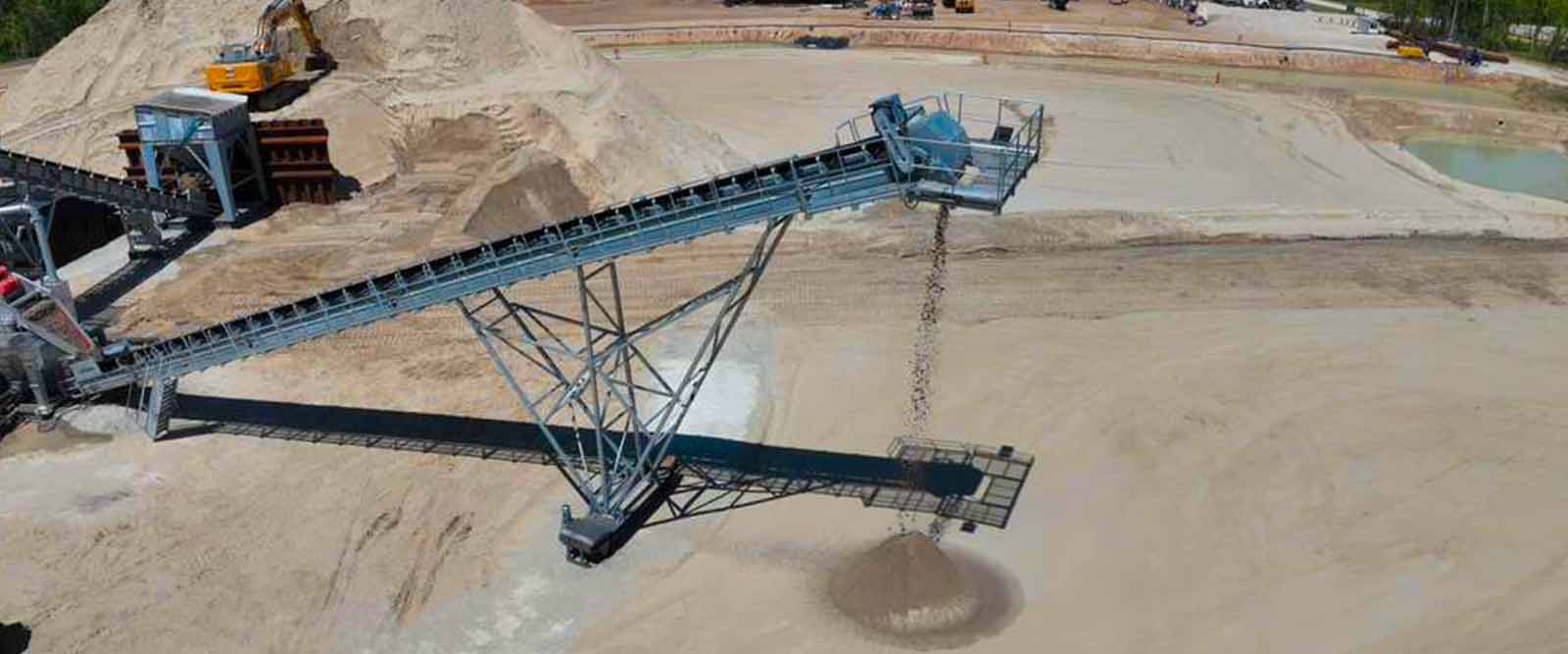
A Complete System Built Around the Required Output
A Priori Source supplies sand washing plants and aggregate washing equipment configured around the material being processed, the required production capacity, and the finished products the operation needs to produce. The objective is to build one coordinated processing system rather than combine unrelated machines after equipment has already been selected.
Depending on the project, the sand washing system can include washing, screening, material transfer, conveying, stockpiling, automated controls, and other processing stages required by the feed material and target product. The final sand processing plant configuration is developed around actual operating conditions, available site area, and the way material needs to move through the facility.
This approach also allows the plant to be planned for the level of automation and material handling the operation requires. A complete sand wash plant can therefore be configured for a new production facility, an expansion of an existing aggregate operation, or a project where washing, screening, and stockpiling capacity need to be coordinated as one system.
Sand Washing Plant Systems & Equipment
Complete Sand Washing Plants |
Sand & Gravel Washing Systems |
| Integrated sand washing plants can combine washing, screening, conveying, stockpiling, and automated plant controls within one coordinated processing system. The configuration is selected around feed characteristics, required production capacity, finished products, and site conditions. | Sand and gravel washing systems are configured to process mixed feed and separate material into required finished fractions. Equipment selection depends on feed gradation, material characteristics, target output, and the number of products the operation needs to produce. |
Screening & Washing Sections |
Conveying & Stockpiling Systems |
| Screening and washing equipment can be supplied as part of a new sand processing plant or integrated into an existing aggregate operation. These sections can be configured to improve material sizing, washing capacity, and overall processing flow. | Conveying and stockpiling systems move processed material from the washing line to designated finished-product areas. Conveyor layouts, including radial stockpiling configurations where appropriate, can be planned around plant capacity, site space, and stockpile requirements. |
The right configuration depends on what enters the plant and what needs to leave it. Feed gradation, fines content, required production capacity, finished material sizes, and available site space determine which sand washing equipment belongs in the system.
In some projects, a complete sand washing plant is the right solution. In others, the priority may be a new washing section, additional screening capacity, or a better conveying and stockpiling layout within an existing aggregate operation.
The equipment should therefore be selected as part of one material flow, with each stage sized and positioned to support the required output of the complete sand processing plant.
Sand Washing Plant Delivered in the U.S.
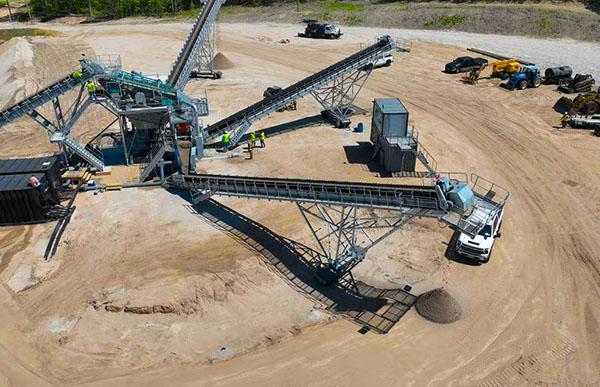
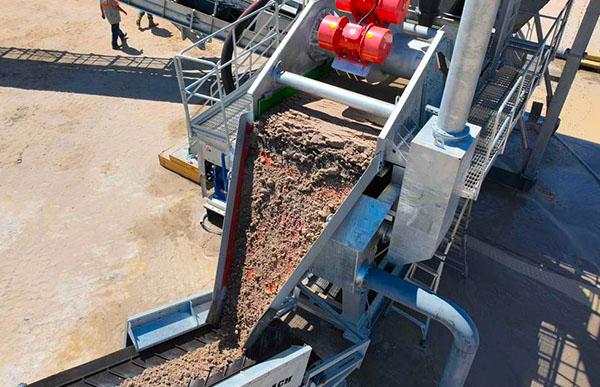
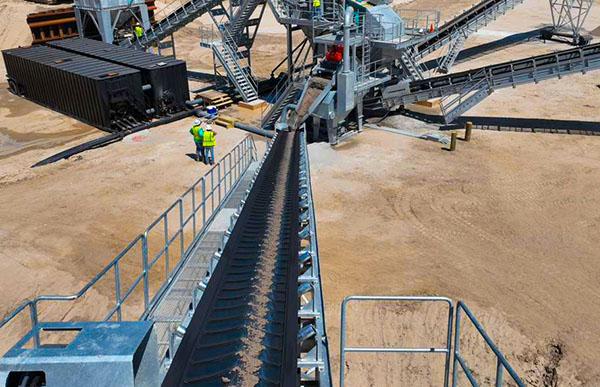
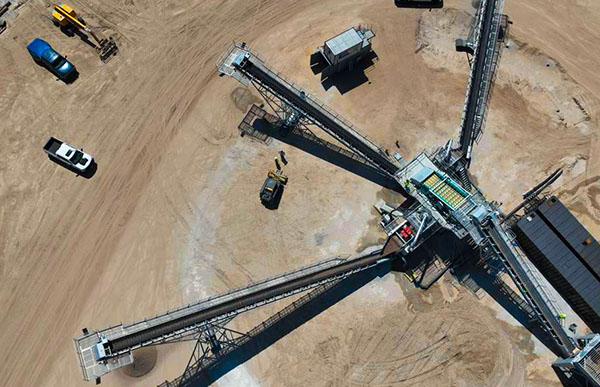
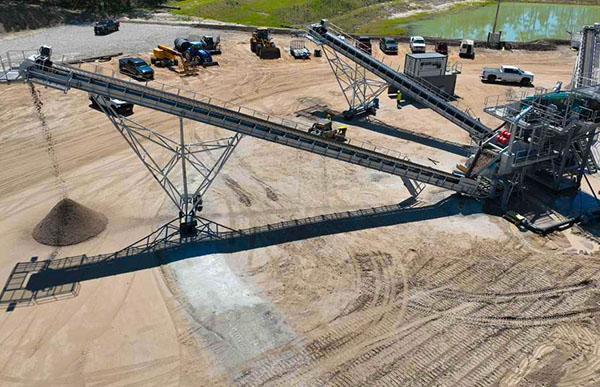
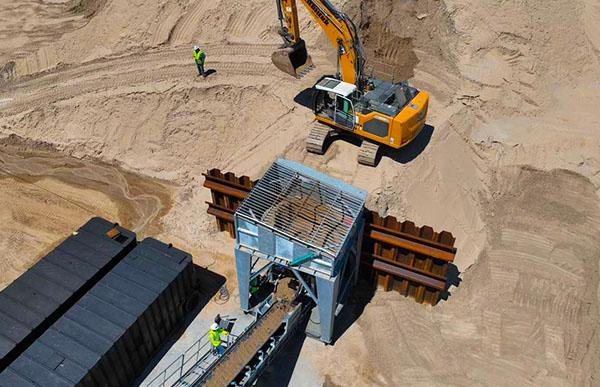
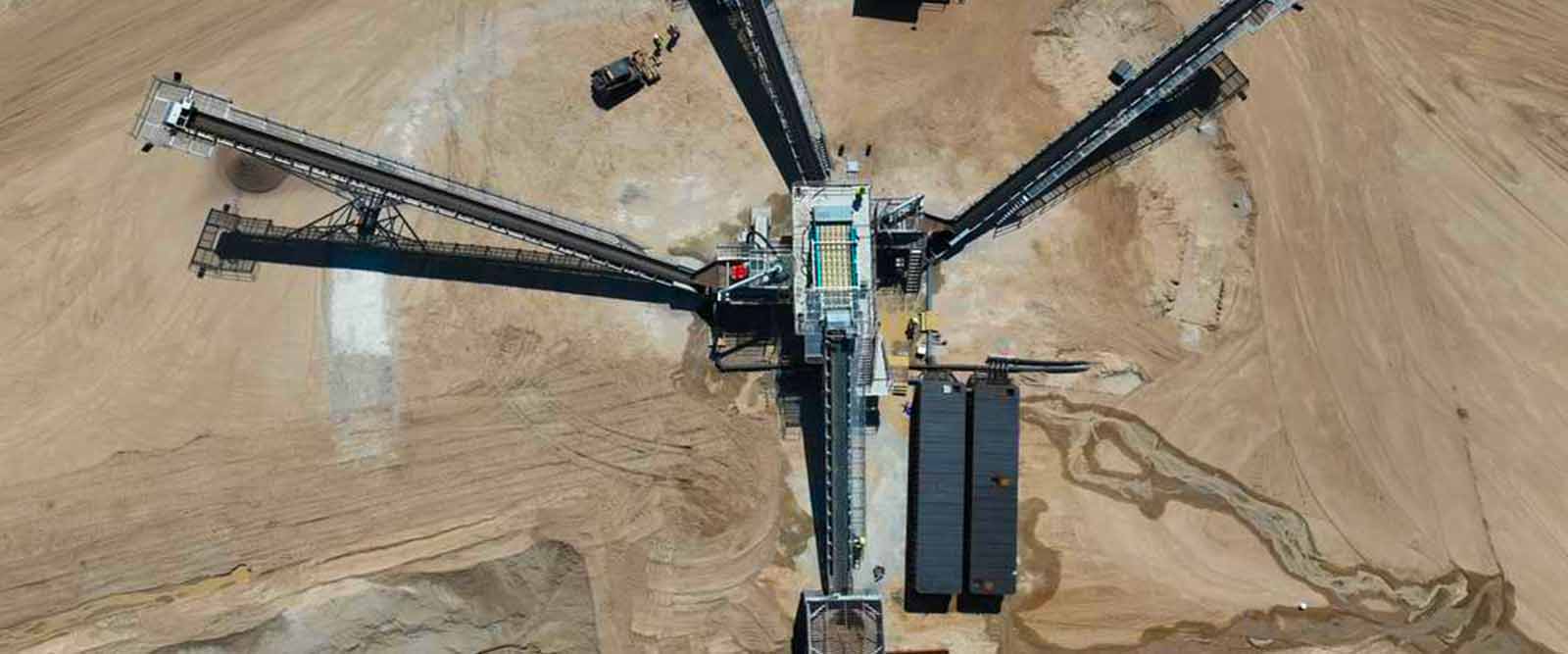
A Priori Source has already coordinated the supply and delivery of a large-scale sand washing plant for a U.S. operation. The installation combines washing and screening equipment with material conveying, organized stockpiling, and automated plant controls as one integrated processing system.
The plant was configured to move material through the processing line and into designated stockpile areas without treating each piece of equipment as a separate operation. The supplied system also includes a dedicated climate-controlled operator room for centralized monitoring and control of the plant.
This project demonstrates the scale of sand washing and aggregate processing equipment that A Priori Source can coordinate for U.S. customers. It also provides a practical reference for projects where equipment configuration, plant layout, international supply, and delivery all need to be considered together.
Benefits of an Integrated Sand Washing Plant
A properly configured sand washing plant gives the operator better control over how material moves from raw feed to finished stockpile. Washing, screening, conveying, and stockpiling are planned as parts of the same production flow, reducing the risk that one stage limits the capacity of the rest of the system.
Integrated sand washing equipment can also improve control over finished material by matching the processing stages to feed gradation and required output. Depending on the plant configuration, this can support more consistent product separation, better handling of fines, and more efficient movement of washed material into designated stockpiles.
For high-capacity aggregate operations, layout and material handling have a direct impact on daily production. Well-planned conveyors, discharge points, stockpile areas, and centralized plant controls can reduce unnecessary rehandling, make better use of available site space, and give operators a clearer view of the complete sand processing system.
Coordinated Material Flow
Washing, screening, conveying, and stockpiling can be configured as one continuous processing line. This helps keep material moving through the plant without unnecessary transfer points or mismatched stages.
Capacity Matched Across the Plant
Equipment can be selected around the required production rate and actual feed characteristics. This helps prevent one section of the sand washing plant from becoming the limiting point for the entire operation.
Better Control of Finished Products
Screening and washing stages can be arranged around the material sizes and finished products the operation needs to produce. This supports more consistent separation and organized handling of processed material.
Efficient Stockpile Management
Conveying and stockpiling systems can direct finished material into designated storage areas. This can reduce repeated loader handling and make better use of the available stockpile space.
Centralized Plant Operation
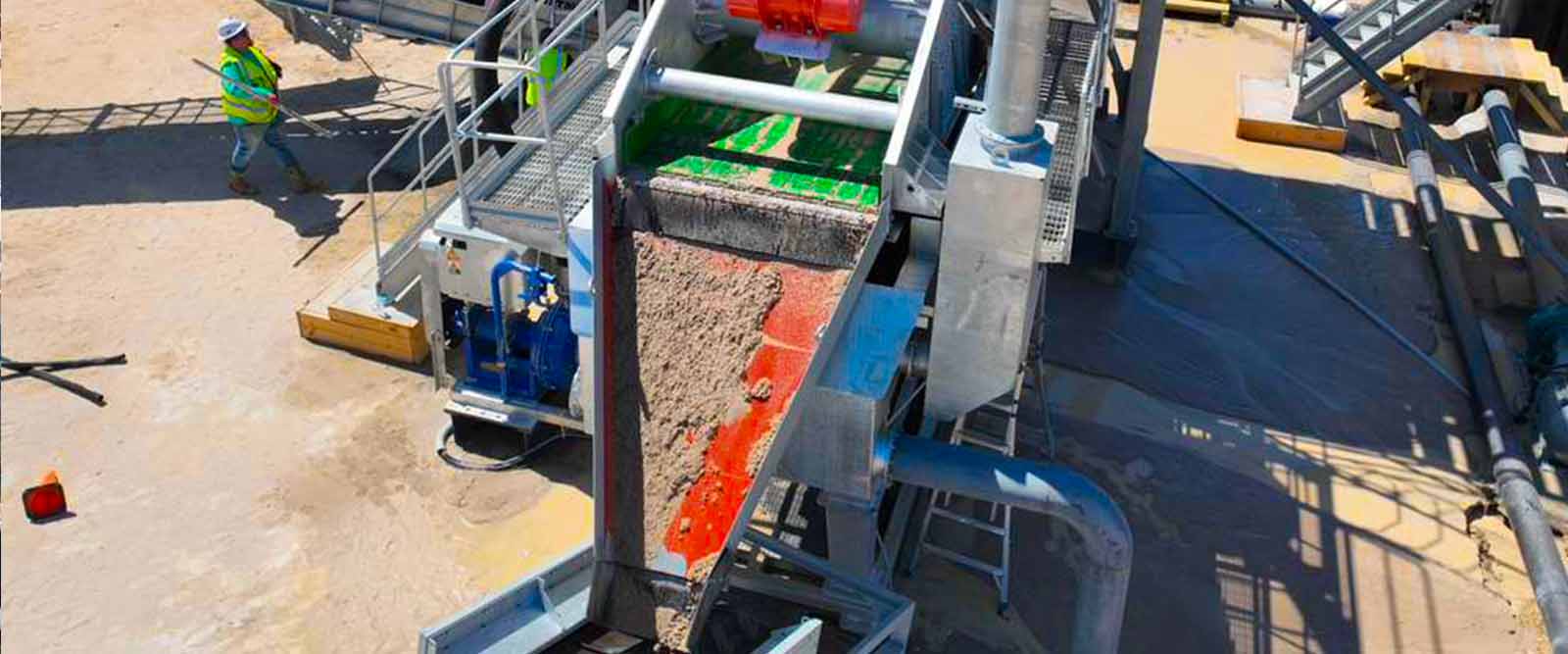
Automated plant controls can bring major processing functions into one operating interface. A dedicated control environment allows operators to monitor and manage the sand processing system from a central location.
Layout Adapted to the Site
A sand wash plant can be configured around available space, material flow, stockpile locations, and operating requirements. This gives the project more flexibility than forcing the site around a predetermined equipment package.
Compliance & Standards
Sand washing plants in the United States may be subject to environmental, mine safety, air quality, and local permitting requirements depending on the type of operation and where the equipment is installed. For sand, gravel, and quarry operations, washing is considered part of mineral processing, so regulatory review should cover the complete facility rather than only the individual pieces of sand washing equipment.
Water management is one of the main considerations. EPA Mineral Mining and Processing Effluent Guidelines under 40 CFR Part 436 cover wastewater from mineral processing, including wash water and stormwater runoff, with applicable requirements incorporated into NPDES permits. Plant design may therefore need to consider process-water handling, recycling, settling, and discharge requirements based on the site and operation.
Air and worker-safety requirements can also affect the overall sand processing plant. EPA rules for nonmetallic mineral processing can apply to equipment such as screens, belt conveyors, crushers, and storage systems, while MSHA requirements apply to covered sand and gravel mine operations, including worker training and safety around processing equipment. Final requirements should be coordinated for the specific facility, jurisdiction, and plant configuration.
FAQ
What information is needed to select a sand washing plant?
What is the difference between a sand washing machine and a complete sand washing plant?
Can the same system process both sand and gravel?
How are water and discharge requirements handled?
Why Choose A Priori Source for Your Screw Foundation Needs
A Priori Source provides a U.S.-based point of coordination for large industrial equipment sourced internationally. For sand washing plants and aggregate processing equipment, that means project requirements can be communicated directly through one channel instead of being split between the customer, overseas factory, freight providers, and other parties involved in the supply process.
Our role can include reviewing project requirements, coordinating equipment configuration with the manufacturing facility, managing technical and commercial communication, supporting factory QA/QC, and coordinating international shipping, importation, and delivery in the United States. This is particularly important for large sand washing systems where multiple machines, conveyors, controls, and structural components need to arrive as one coordinated equipment package.
The objective is to reduce the number of gaps between equipment selection and final delivery. Customers can work with A Priori Source on the complete procurement process while maintaining access to international manufacturing capabilities and equipment configurations selected around the requirements of the actual operation.
U.S.-Based Project Coordination
One point of contact for equipment requirements, factory communication, documentation, shipping, and delivery coordination.
Direct Factory Communication
Technical and commercial questions can be coordinated directly with the manufacturing facility before the equipment package is finalized.
Factory QA/QC Support
Manufacturing progress and equipment preparation can be reviewed before shipment to help identify issues before the plant leaves the factory.
International Logistics & Import Coordination
A Priori Source can coordinate ocean freight, U.S. importation, and delivery planning for large sand washing and aggregate processing equipment.
Ready to Select the Right Screw Foundation System?
A sand washing plant should be selected around the material you need to process and the finished products you need to produce. Feed characteristics, target capacity, site conditions, and material handling requirements all influence the final equipment configuration.
Whether the project requires a complete sand wash plant, aggregate washing equipment, or an expansion of an existing processing line, the goal is to build a system that fits the actual operation and supports the required production flow.
Send us your feed information, target tons per hour, required finished products, and basic site details. A Priori Source can help identify an appropriate sand washing and aggregate processing configuration for your project.