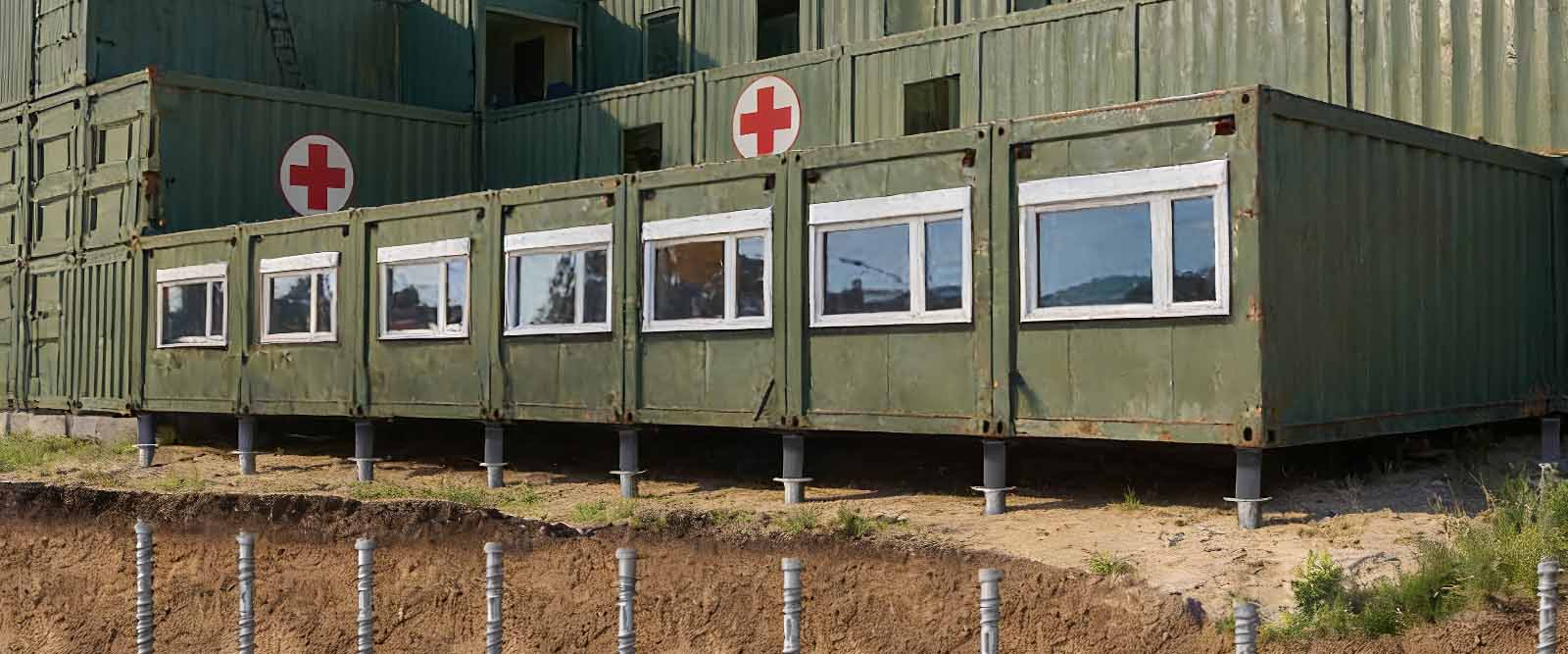
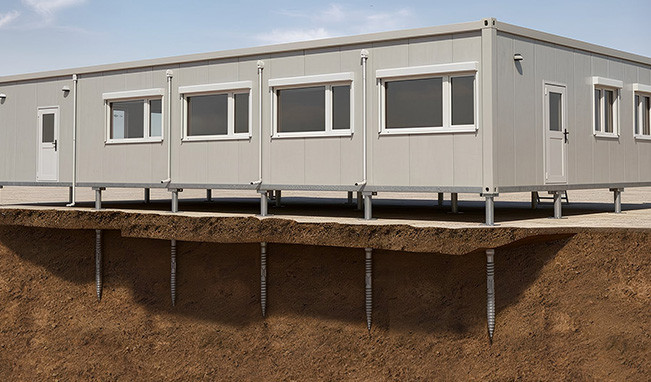
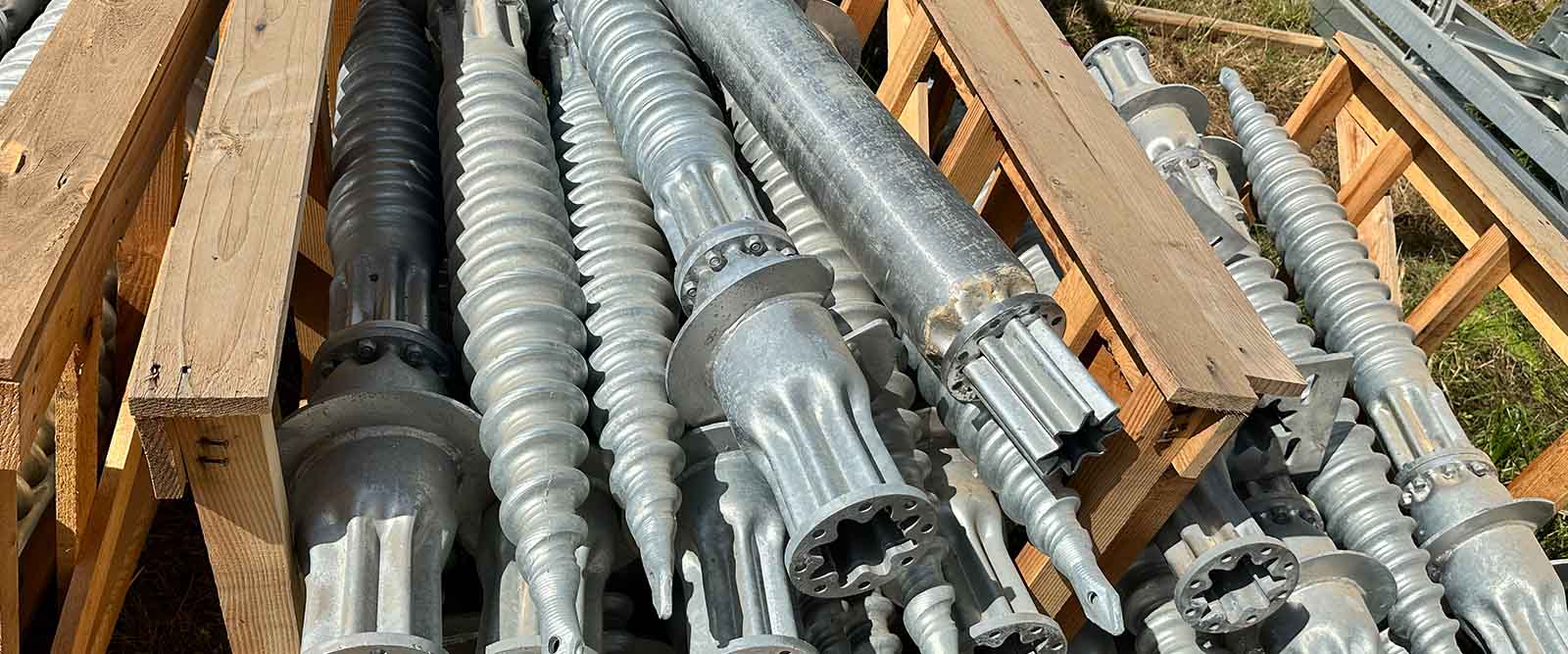
Ground screws, also known as screw piles or helical piles, are increasingly used as an alternative to traditional concrete foundations in modern construction. These steel foundation elements are mechanically rotated into the ground using hydraulic equipment and can support structural loads immediately after installation.
Because screw foundations eliminate excavation, formwork, and concrete curing time, they can significantly accelerate construction schedules. In many projects, installation can be 50 to 70 percent faster than conventional concrete foundations, while individual piles are often installed in approximately 5 to 15 minutes depending on soil conditions and pile size.
These advantages have made screw foundations widely used in modular buildings, residential structures, infrastructure projects, and large-scale renewable energy installations. However, real construction sites rarely present ideal conditions. Soil variability, underground obstacles, seasonal ground movement, and alignment requirements can all influence installation performance.
Understanding common ground screw installation challenges and solutions allows engineers, contractors, and project owners to anticipate these issues and maintain both structural reliability and installation efficiency.
Why Installation Conditions Matter for Screw Foundations
Unlike traditional concrete footings, ground screw foundations rely on soil interaction and mechanical resistance to transfer structural loads. As the pile is rotated into the ground, its helical plates engage with surrounding soil layers and distribute loads into the ground.
During installation, hydraulic equipment measures torque resistance generated by the soil. In geotechnical engineering practice, installation torque is widely used as an indicator of potential load-bearing capacity.
Typical installation torque ranges observed in construction projects include:
-
2,000–3,000 Nm for lighter structures such as decks, platforms, or temporary installations
-
3,000–7,000 Nm for residential foundations and modular building systems
-
7,000–12,000 Nm or more for larger commercial structures and infrastructure applications
While torque values alone do not determine the final structural capacity, they provide a useful real-time indication of soil resistance during installation.
If torque values are significantly lower than expected, the soil may not provide sufficient support. Conversely, unusually high resistance can indicate dense soil layers, rock formations, or other underground obstacles.
Common Ground Screw Installation Challenges and Solutions
Even though screw foundations simplify many aspects of foundation construction, installation teams frequently encounter challenging site conditions. Soil composition, subsurface obstacles, terrain geometry, and environmental factors can all influence installation outcomes.
The following overview summarizes several common ground screw installation challenges and solutions encountered in construction projects.
Soft or Variable Soil Conditions | Rocky Soil and Subsurface Obstacles |
| Loose sand, organic soils, or mixed soil layers may provide limited resistance during installation. In these situations, screw piles may rotate with relatively low torque values and require deeper installation or adjusted foundation design. | Large stones, buried construction debris, or shallow bedrock can interrupt installation or prevent piles from reaching the intended depth. Rocky soil conditions are among the most frequently encountered installation challenges. |
Installation Torque Variability | Pile Alignment and Vertical Accuracy |
| Unexpected soil layers can cause torque values to change during installation. Variations in resistance often indicate transitions between different soil densities or subsurface materials. | Uneven terrain or improper positioning of installation equipment can result in piles installed slightly off vertical alignment, potentially affecting structural load distribution. |
Sloped Terrain and Elevation Differences | Seasonal Ground Movement and Frost Depth |
| Construction sites with elevation changes require careful planning to ensure consistent foundation heights and structural alignment. | In colder climates, freeze–thaw cycles can create soil expansion known as frost heave if foundations are installed above the frost depth. |
Limited Site Investigation | Foundation Design Mismatch |
| Insufficient geotechnical assessment may lead to unexpected soil conditions during installation, requiring adjustments to foundation layout or pile design. | Using screw piles with unsuitable geometry, length, or helix configuration can limit load capacity and reduce foundation performance. |
Typical Load Capacity Ranges for Ground Screws
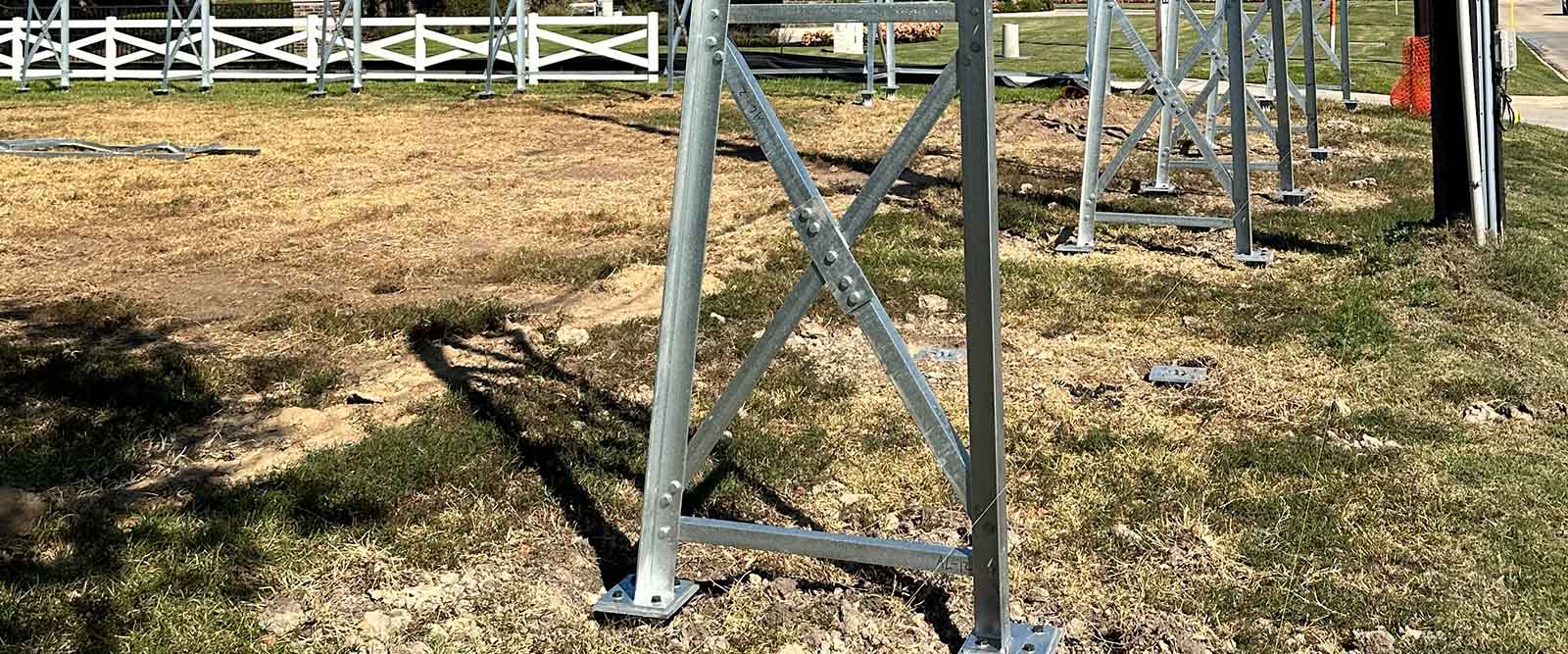
The structural capacity of screw foundations depends on soil properties, pile geometry, and installation depth. However, general industry ranges provide a useful reference for common construction applications.
Typical load capacities include:
-
20–40 kN for smaller piles used in decks, fences, and lightweight structures
-
40–100 kN for residential buildings and modular construction projects
-
100–150 kN or more for commercial structures and infrastructure foundations
Actual structural capacity is always verified through engineering calculations and geotechnical evaluation, but these ranges illustrate the versatility of screw pile foundations.
Engineering Approaches to Ground Screw Installation Challenges
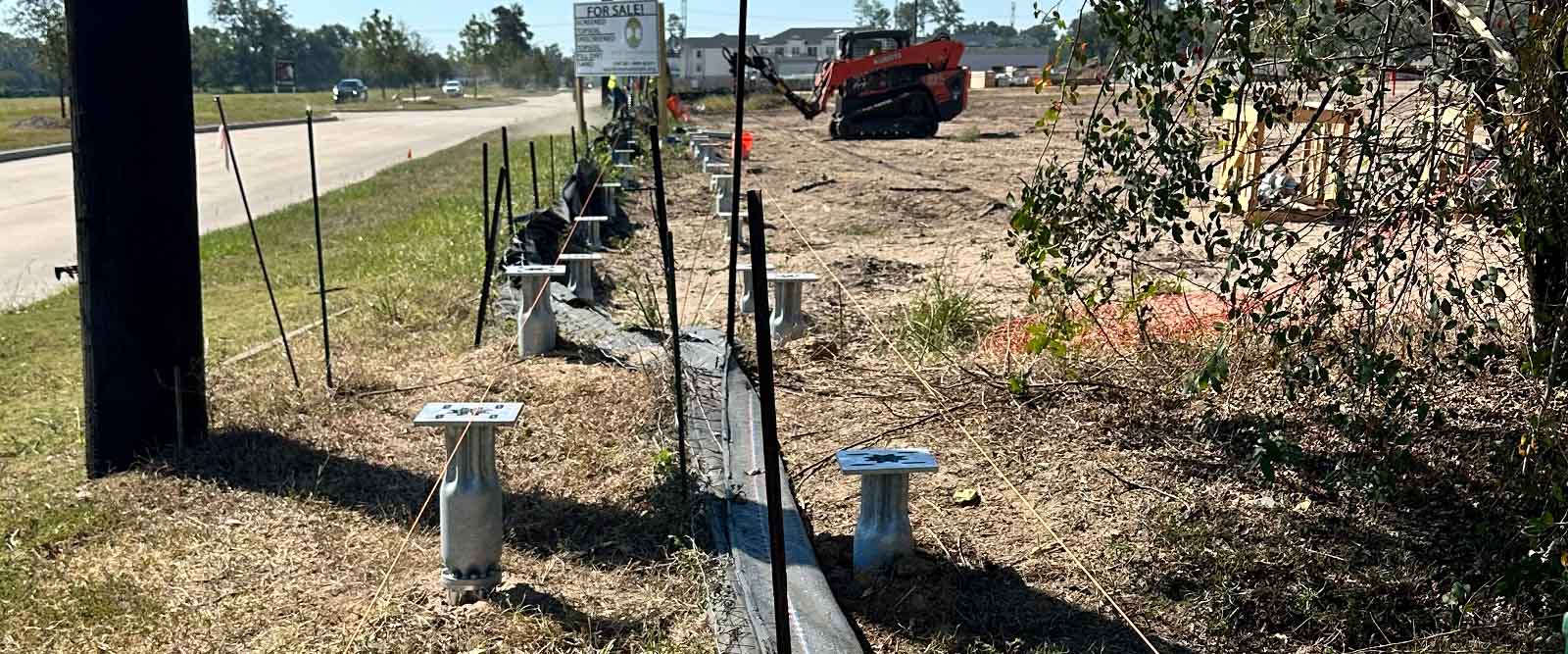
Although installation challenges are common in real construction projects, they can usually be managed through careful planning and engineering analysis.
Site Investigation and Soil Analysis
A geotechnical site assessment helps engineers understand soil composition, groundwater levels, and load-bearing characteristics before installation begins.
Common evaluation methods include soil sampling, penetration testing, and preliminary test installations. These assessments allow engineers to determine appropriate pile dimensions and anticipate installation resistance.
Typical screw pile lengths used in construction range from approximately 1.5 meters for lighter structures to more than 3 meters for larger foundations, depending on soil conditions and structural requirements.
Adapting Pile Design to Soil Conditions
Ground screw systems are available in a wide range of configurations. Engineers select pile geometry based on several parameters including:
- shaft diameter
- helix diameter and spacing
- pile length
- corrosion protection
Adjusting these parameters allows the foundation design to match the structural loads and soil conditions present at a particular site.
Managing Installation in Challenging Ground Conditions
Rocky soil, mixed ground layers, and buried obstacles are among the most frequently encountered installation challenges. When installers encounter such conditions, several practical approaches are typically considered.
Common field solutions include:
- adjusting pile placement within the structural layout when site conditions allow
- removing localized obstructions using excavation equipment
- performing limited pre-drilling in dense soil conditions
- selecting screw piles designed for higher penetration resistance
These approaches allow installation teams to continue foundation work without significantly altering the overall structural design.
Maintaining Alignment and Structural Accuracy
Pile alignment plays an important role in foundation performance. Even small deviations from vertical alignment can influence how loads are transferred into the soil.
To maintain installation accuracy, contractors typically use hydraulic drivers mounted on excavators or specialized installation rigs equipped with leveling systems and alignment monitoring tools.
These systems help ensure consistent installation across large foundation layouts.
Designing Foundations Below Frost Depth
In colder climates, freeze–thaw cycles can cause vertical soil movement known as frost heave. If foundations are installed above the frost line, this movement may affect structural stability.
Typical frost depths include:
- 0.8–1.2 meters in many temperate European climates
- 1.2–1.8 meters in colder regions of North America
- greater depths in northern climates and mountainous regions
For this reason, foundation design typically ensures that screw piles extend below the local frost depth so that seasonal soil movement does not affect structural stability.
Why Ground Screws Continue to Gain Adoption in Construction
Despite the installation challenges discussed above, screw foundations remain one of the fastest-growing foundation technologies in modern construction.
Several measurable advantages explain their increasing use.
Faster construction timelines
Ground screws can often be installed three to five times faster than concrete foundations, largely because there is no excavation, formwork, or curing period.
Immediate structural loading
Unlike concrete foundations that require curing periods that may extend 24 to 72 hours or longer, screw foundations can usually support loads immediately after installation.
Reduced environmental impact
Screw foundations produce minimal construction waste and require limited soil disturbance. This makes them suitable for environmentally sensitive sites or projects where excavation must be minimized.
Efficient installation at scale
In large infrastructure or renewable energy projects, installation teams may install hundreds or even thousands of piles across a single site. Modern hydraulic equipment allows installation crews to complete several hundred piles per day depending on site conditions.
Conclusion
Ground screws provide a fast, adaptable, and environmentally efficient alternative to traditional concrete foundations. However, successful implementation depends on understanding site conditions and potential installation constraints.
Real construction sites frequently present challenges such as variable soil layers, underground obstacles, alignment considerations, and frost depth requirements. By identifying potential ground screw installation challenges and solutions early in the project planning process, engineers and contractors can address these issues without compromising construction schedules.
When supported by proper geotechnical analysis, appropriate foundation design, and professional installation equipment, screw foundations provide reliable load-bearing performance across a wide range of building applications. As the construction industry continues to prioritize efficiency, sustainability, and adaptable building methods, ground screw technology is likely to remain an important component of modern foundation engineering.