
- Home
- Products
- Groundwork Materials: Piles, Pipes & More
- Geotextile Fabric & Geomembrane Liners
Geotextile and Geomembrane Materials
Need Geotextile Fabric or Geomembrane Liners for Your Project?
Choose the Right Material
Source geotextiles for separation, filtration, drainage, or protection, and geomembrane liners for containment and water-control applications.
Avoid Spec Mistakes Early
Consider soil conditions, water movement, slopes, loads, and installation requirements when selecting fabric or liner properties.
Technical Data & Delivery Support
Coordinate available product documentation, material quantities, and delivery requirements to support project procurement and submittals.
Start With the Function the System Must Perform
Two products may both be sold as geotextile fabric yet serve different purposes on the same site. A fabric suitable for separating soil from aggregate is not automatically the right choice for filtration around a drainage system. Filtration also depends on soil gradation, fabric opening size, and water-flow characteristics. Similarly, selecting a geomembrane liner based on thickness alone can overlook puncture resistance, chemical exposure, slope conditions, and field seam requirements.
The selection process should begin with the intended function and the project's actual site conditions. Soil properties, hydraulic requirements, loading, and installation methods all influence which material characteristics matter most. A Priori Source helps project teams evaluate sourcing options against their specifications and obtain relevant manufacturer documentation, while final design and material acceptance remain with the responsible project team.
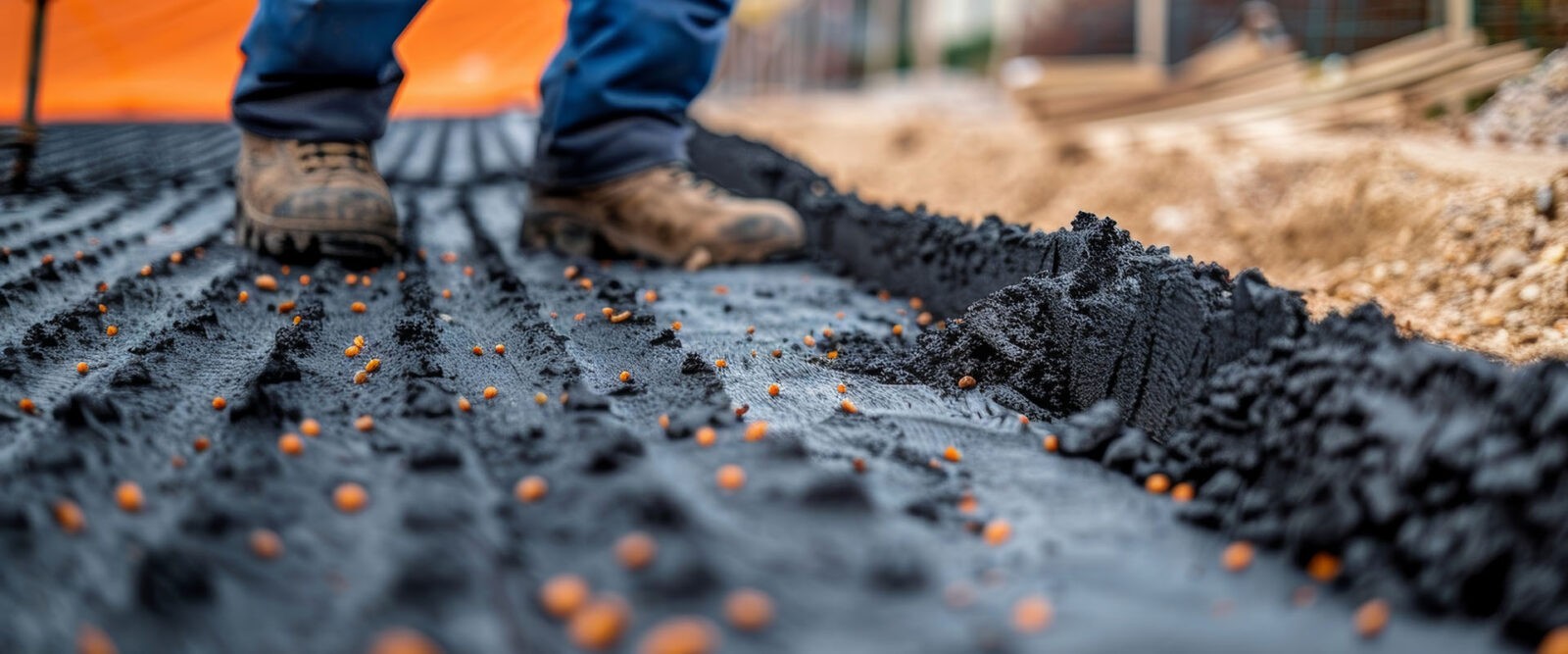
Geotextile and Geomembrane Material Options
Geotextile fabrics and geomembrane liners are available in different constructions, each suited to particular groundwork applications. Nonwoven and woven geotextiles serve different filtration, separation, and stabilization needs, while smooth and textured geomembranes provide barrier functions under different installation conditions. The table below outlines their typical uses and the key properties to consider when reviewing material options.
| Material Type | Primary Functions | Common Applications | Key Properties to Verify |
|---|---|---|---|
| Nonwoven Geotextile Fabric | Filtration, drainage, separation, and protective cushioning. | Subsurface drainage, aggregate separation, erosion control, and geomembrane protection. | Apparent opening size (AOS), permittivity, tensile strength, and puncture resistance. |
| Woven Geotextile Fabric | Soil separation, stabilization, and reinforcement where specified. | Road bases, working platforms, embankments, and engineered soil structures. | Tensile properties, elongation, installation survivability, and hydraulic properties where required. |
| Smooth Geomembrane | Low-permeability barriers for liquid containment and water control. | Ponds, reservoirs, wastewater facilities, and engineered containment systems. | Polymer type, thickness, chemical compatibility, puncture resistance, and seam requirements. |
| Textured Geomembrane | Low-permeability barriers with textured surfaces for improved interface friction where verified. | Sloped liner systems, landfill containment, reservoirs, and industrial facilities. | Interface shear strength, slope conditions, thickness, seam quality, and installation requirements. |
For a closer look at their differences and combined use, see our material comparison.
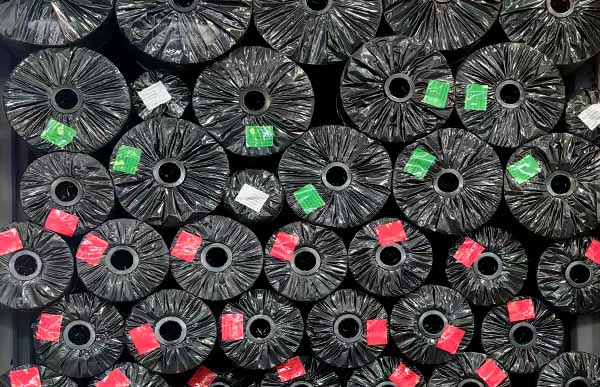
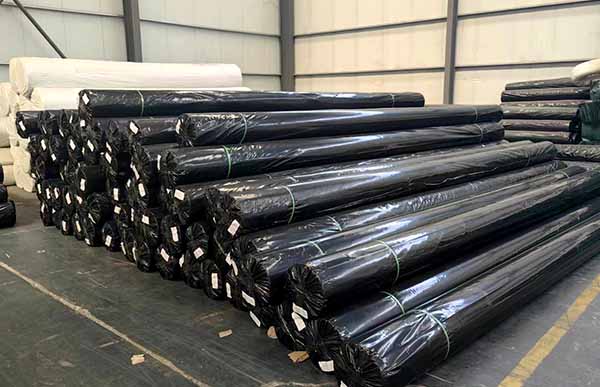
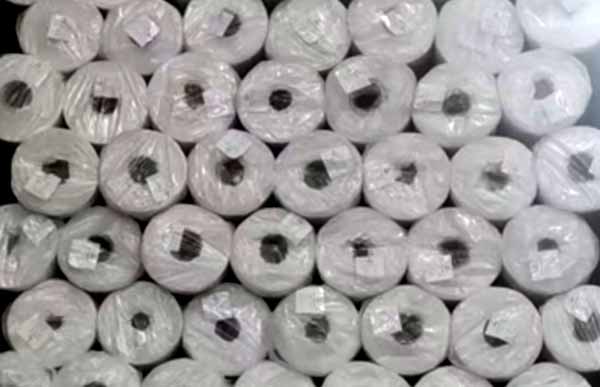
Key Factors in Geotextile and Geomembrane Selection
Material performance depends on more than fabric weight or liner thickness. The following factors help project teams identify the properties that matter under actual site conditions.
Filtration and Drainage
For drainage applications, match geotextile opening size (AOS) and hydraulic properties to soil gradation and expected water flow. Fabric weight alone does not determine filtration performance.
Separation and Load Resistance
Consider subgrade conditions, aggregate type, mechanical loads, and installation survivability. Reinforcement requires suitable material properties and a project-specific design.
Containment and Chemical Compatibility
Select geomembrane liners based on polymer type, thickness, chemical exposure, and containment requirements. Barrier performance also depends on seams and installation details.
Slope and Interface Stability
Textured geomembranes can improve interface friction, but slope stability also depends on adjacent materials, slope geometry, and anchorage design.
Puncture and Installation Protection
Review subgrade preparation, aggregate size, handling conditions, and protective layers to reduce the risk of damage during installation.
UV Resistance and Service Conditions
Evaluate material properties against expected sunlight exposure, temperature, and environmental conditions using relevant manufacturer test data.
Match the Material to the Application
Different construction applications place different demands on geotextiles and geomembranes. The examples below show which material types may be considered and what project conditions should be checked before selecting a product.
| Project Application | Primary Function | Material Direction | What to Verify |
|---|---|---|---|
| Roads and Working Platforms | Soil separation and stabilization | Woven or nonwoven geotextile, as specified | Subgrade conditions, loads, strength, and installation survivability |
| Subsurface Drainage | Filtration and water movement | Geotextile filter fabric | Soil gradation, AOS, permittivity, and drainage design |
| Riprap and Erosion Control | Soil retention beneath protective layers | Design-specified woven or nonwoven geotextile | Filtration compatibility, puncture resistance, and placement conditions |
| Embankments and Retaining Structures | Separation or specified reinforcement | Geotextile selected for the engineered system | Tensile properties, deformation, and design requirements |
| Ponds and Reservoirs | Water containment and liner protection | Geomembrane liner with protective geotextile where required | Subgrade, water chemistry, thickness, seams, and anchorage |
| Landfills and Industrial Containment | Fluid containment and liner-system protection | Specified geomembrane and geotextile components | Chemical compatibility, interface stability, quality control, and regulatory requirements |
Product Documentation & Supply Planning
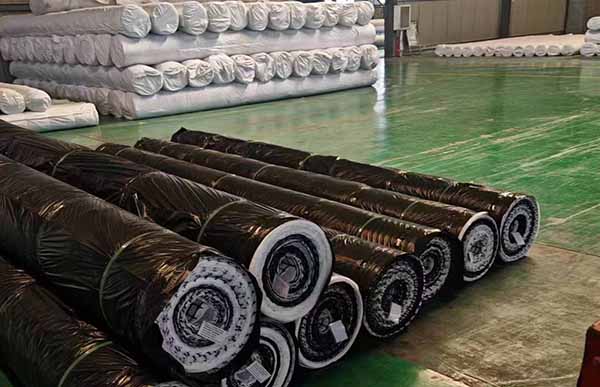
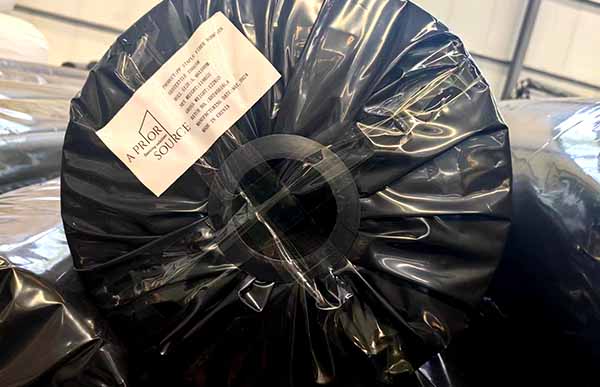
Before ordering geotextile fabrics or geomembrane liners, project teams should verify that the proposed materials match the required specifications. Depending on the product and manufacturer, available documentation may include technical data sheets, test reports, quality records, and roll identification details. Any deviations from the project requirements should be clarified before placing an order.
Supply planning also involves confirming roll dimensions, usable coverage, overlap and seam allowances, packaging, and delivery schedules. Site access, unloading requirements, and installation sequencing can affect how materials should be shipped. A Priori Source coordinates these details with manufacturers and project teams to support accurate quotations and practical delivery arrangements.
Compliance & Standards
Geotextile fabrics and geomembrane liners must be evaluated against the requirements of each project and application. ASTM test methods are commonly used to measure properties such as tensile strength, water permeability, puncture resistance, and material thickness. For applicable highway projects, AASHTO M 288 provides material specifications, while GRI-GM13 addresses manufacturing quality requirements for smooth and textured HDPE geomembranes.
Environmental and regulatory requirements depend on the application. For example, EPA regulations establish liner-system requirements for certain waste containment facilities, rather than providing universal approval for individual geosynthetic products.
A Priori Source helps project teams source materials with relevant manufacturer data and available test documentation for specification and submittal review. Final material acceptance and installed-system compliance depend on the project specifications, engineering requirements, and applicable authorities.
FAQ
What information do I need to request a geotextile or geomembrane quote?
How do I choose between woven and nonwoven geotextile fabric?
Should I use a smooth or textured geomembrane liner?
Can geotextile fabric protect a geomembrane liner from punctures?
What technical documentation is available for project submittals?
How do I calculate the amount of geotextile or geomembrane needed?
Does A Priori Source provide installation or geomembrane seam testing?
Why Choose A Priori Source
A Priori Source helps contractors, developers, and project teams source geotextile fabrics and geomembrane liners from international manufacturers. We focus on matching project specifications with available materials, coordinating supplier information, and addressing procurement requirements before orders are placed.
Global Manufacturer Sourcing
Access international sourcing options with competitive pricing, relevant technical specifications, and available manufacturer documentation.
Local Project Support
Work directly with a U.S.-based team that understands construction procurement requirements and coordinates communication with manufacturers.
Specification & Documentation Coordination
Compare available product data with project requirements and clarify technical questions or proposed alternatives before ordering.
Supply & Delivery Coordination
Coordinate material quantities, roll dimensions, packaging, lead times, and shipping arrangements to meet project needs.
What to Include in Your Geotextile or Geomembrane RFQ
To help us identify suitable materials and prepare an accurate quotation, include the following information when available:
Project Details: Location, project type, and intended application.
Material Requirements: Geotextile type or geomembrane specifications, including required properties, thickness, or polymer where applicable.
Drawings & Specifications: Relevant project drawings, technical requirements, and required test documentation.
Quantities & Dimensions: Estimated coverage area, roll dimensions, and any specified overlap or installation allowances.
Site Conditions: Relevant soil, drainage, slope, loading, or chemical exposure requirements.
Delivery Requirements: Destination, preferred delivery date, and any packaging or unloading restrictions.
Request Geotextile or Geomembrane Materials for Your Project
A Priori Source helps contractors and developers source geotextile fabrics and geomembrane liners based on project specifications, required quantities, and delivery needs. Share your drawings or material requirements, and we'll review available options, technical documentation, and pricing.
Send us your project requirements to request a quote or discuss material options.