
- Home
- Products
- Groundwork Materials: Piles, Pipes & More
- Ground Screw Foundations & Helical Piles
Screw Foundation Solutions for Different Soil, Load, and Project Conditions
What You Get for Your Ground Screw Project
You get faster foundation installation
Ground screws and helical piles can be installed quickly without waiting for concrete to cure. This helps keep commercial and modular projects moving and reduces downtime between construction stages.
You get a foundation matched to real site conditions
You receive a ground screw foundation solution selected around your project loads, soil conditions, and application. This gives you a more practical foundation approach for sites with variable or challenging ground.
You reduce the risk of rework on site
You get a foundation system selected for the actual project conditions before installation begins. This helps reduce last-minute adjustments, avoid unnecessary rework, and keep residential, multifamily, and commercial projects on track.
Why the Right Foundation System Matters
The foundation system you choose affects much more than the structure below grade. It can influence installation time, site access, project sequencing, and how well the foundation responds to actual soil and load conditions.
Traditional concrete foundations remain appropriate for many projects, but they are not always the most practical option. Ground screw foundations and helical piles can provide an alternative for commercial, modular, residential, solar, and infrastructure projects where speed, limited site disturbance, or variable ground conditions are important considerations.
The key is selecting the right system for the project. Loads, soil information, foundation geometry, connection requirements, corrosion protection, and intended use all need to be considered before the foundation solution is specified.
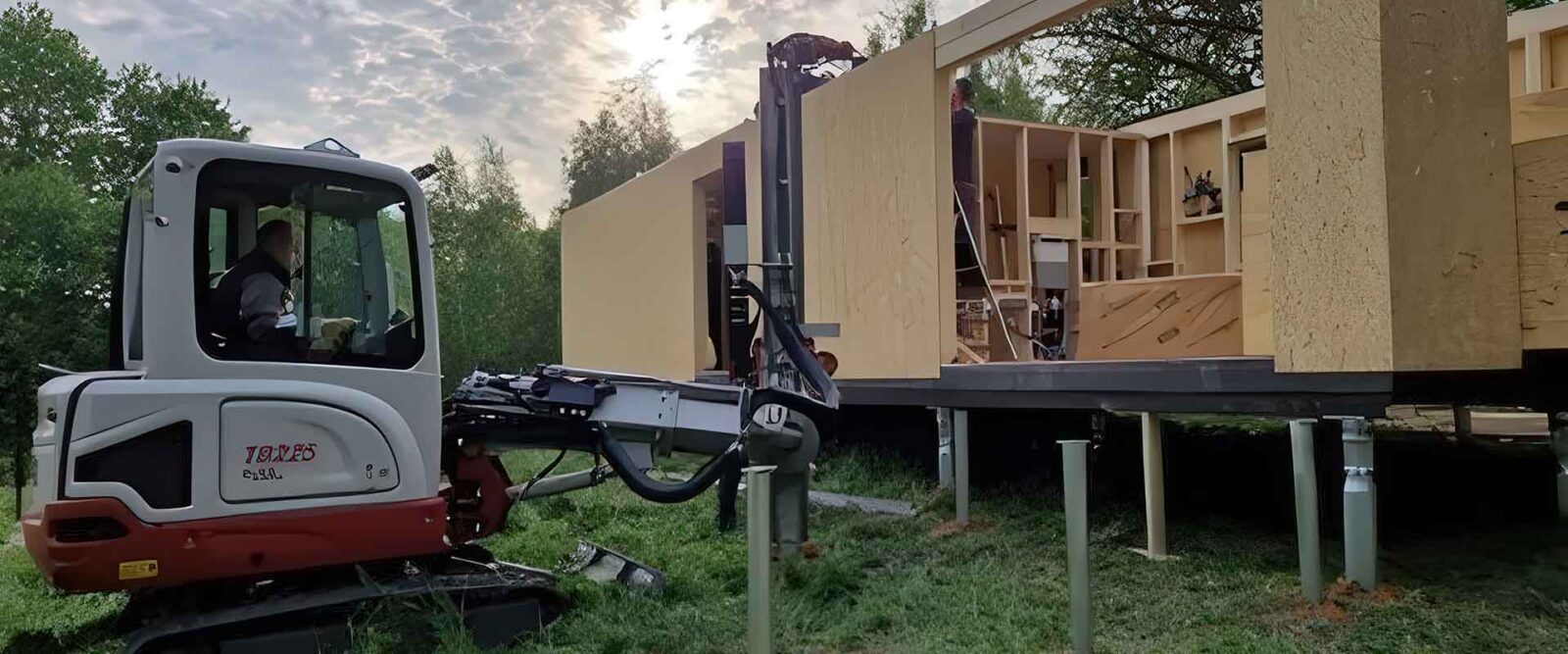
Screw Foundations Designed for Your Project’s Needs
Ground screw foundations and helical piles provide a practical alternative to traditional concrete foundations when installation speed, site access, or reduced excavation are important project considerations. Because they do not require concrete curing, these systems can help shorten foundation work and keep subsequent construction stages moving.
A Priori Source supplies screw foundation systems for modular buildings, manufactured homes, commercial structures, solar installations, and other permanent or temporary applications. System selection can be based on project loads, soil information, shaft and helix configuration, connection requirements, corrosion protection, and intended use.
The result is a foundation system matched more closely to the actual conditions of the project rather than a one-size-fits-all approach. Product data, load information, drawings, calculations, and other project-specific documentation can also be coordinated where available to support specification and submittal requirements.
Ground Screw and Helical Pile Systems
Standard Ground Screws |
Heavy-Duty Helical Piles |
| Ground screw foundations for lighter structures such as decks, fencing, modular buildings, small manufactured structures, and similar applications. Available configurations can be selected based on project loads, soil conditions, connection requirements, and intended use. | Helical piles for higher-load applications, including modular homes, manufactured housing, commercial structures, solar installations, and infrastructure projects. Shaft size, helix configuration, corrosion protection, and other system characteristics are selected according to project-specific structural and geotechnical requirements. |
Adjustable Foundation Screws |
Removable and Reusable Screw Anchors |
| Adjustable ground screws are well suited for projects where final elevation or leveling flexibility is important, including sloped or uneven sites. Adjustable head configurations allow the supported structure to be aligned more precisely while maintaining the practical installation advantages of a screw foundation system. | Removable screw anchors are a practical option for temporary structures, event installations, relocatable buildings, and projects where future site restoration matters. Depending on the system, site conditions, and condition after removal, components may also be suitable for reuse in another application. |
Ground Screws vs Helical Piles
Ground screws are typically used where fast installation, adjustable connections, and lighter to moderate structural demands make them a practical foundation option.
Helical piles use one or more load-bearing helices and can be configured for higher structural loads and more demanding engineered foundation applications.
The appropriate system depends on project loads, soil conditions, structural connections, design life, and project-specific engineering requirements.
Project Inputs for Foundation Selection
Project Loads |
Compression, uplift, lateral loads, and support locations. |
Soil and Site Conditions |
Available geotechnical information, soil profile, groundwater, terrain, and site access. |
Structure and Connections |
Building type, support geometry, elevations, and connection requirements. |
Service Conditions |
Permanent or temporary use, corrosion exposure, design life, and project location. |
Product Specification Overview
Shaft Type and Diameter |
Selected according to the foundation system, structural loads, and application. |
Available Lengths |
Multiple configurations can be considered depending on soil conditions and required embedment. |
Helix Configuration |
Helix size and configuration vary by system, load requirements, and ground conditions. |
Connection Heads and Brackets |
Fixed, adjustable, and project-specific connection options may be available. |
Extensions |
Extensions can be used where greater installation depth is required by the selected system. |
Corrosion Protection |
Coating and corrosion-protection options are selected according to service environment and project requirements. |
Design Loads |
Design capacities depend on the selected system, soil conditions, structural requirements, and project-specific verification. |
Technical Documentation |
Available documentation may include product data, material specifications, drawings, load information, calculations, test records, and other project-specific documentation. |
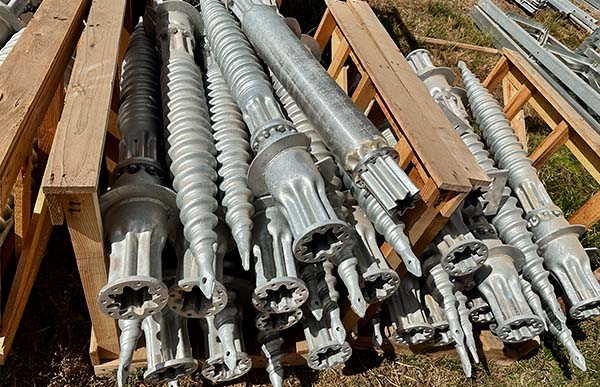
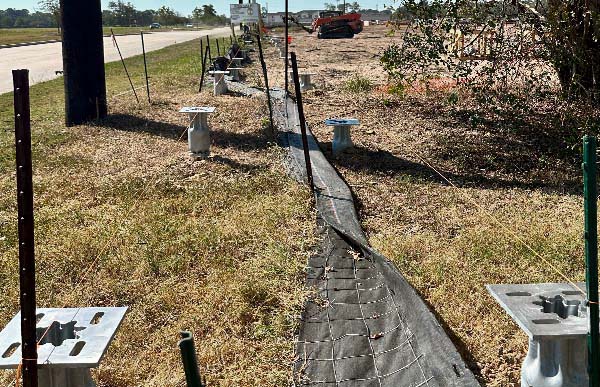

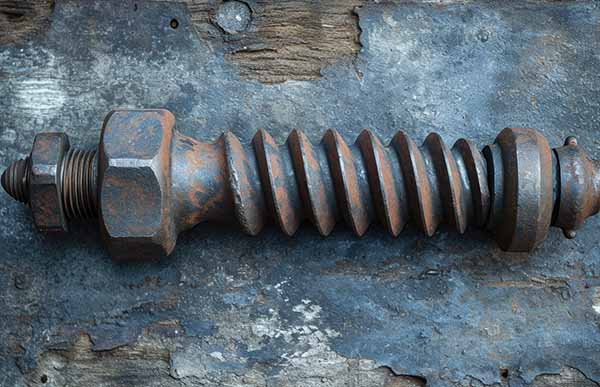
Key Advantages of Ground Screw and Helical Pile Systems
Fast Foundation Installation
Ground screws and helical piles can be installed without concrete curing time and with considerably less excavation than many conventional foundation methods. This can shorten foundation work and allow subsequent construction stages to begin sooner.
Suitable for a Range of Ground Conditions
Different ground screw and helical pile configurations can be selected for varying soil profiles, loads, and site conditions. Project-specific geotechnical information and structural requirements determine which system and configuration are appropriate.
Project-Specific Engineering and Documentation
Depending on the selected system and project requirements, supporting information can include product data, material specifications, load information, drawings, calculations, and applicable test documentation. This helps engineers, contractors, and project teams prepare specifications and submittals.
Reduced Site Disturbance
Screw foundation systems generally require less excavation and can reduce the amount of soil removal and concrete work associated with foundation construction. This can be particularly useful on constrained sites or projects where surrounding areas need to remain accessible.
Permanent and Temporary Applications
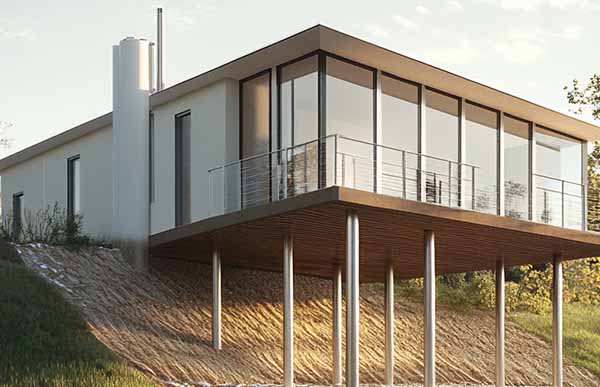
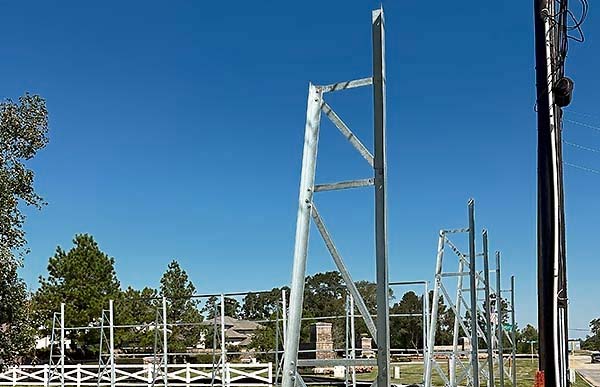
Ground screws and helical piles can support both permanent and temporary structures when the appropriate system is selected. Applications range from commercial and modular buildings to solar structures, decks, infrastructure projects, and relocatable installations.
Flexible Foundation Configurations
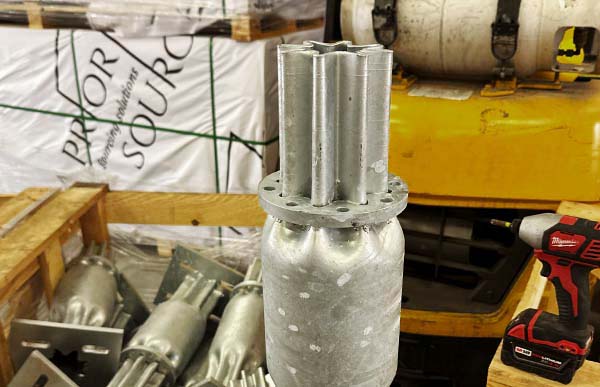
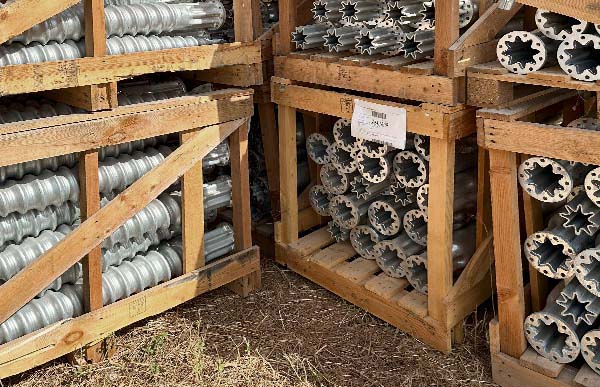
Different shaft sizes, helix configurations, connection heads, adjustable components, and corrosion-protection options allow screw foundation systems to be configured around specific structural and site requirements.
Well Suited to Modular and Manufactured Construction
Ground screw foundations can complement modular buildings and manufactured homes where foundation preparation and installation need to coordinate closely with factory production and delivery schedules. Adjustable connection options can also help accommodate final elevation and leveling requirements on site.
Compliance & Standards
Foundation systems must satisfy the structural, geotechnical, and regulatory requirements applicable to each project. Ground screws and helical piles are therefore selected and documented based on the specific system, design loads, site conditions, intended use, and requirements of the local Authority Having Jurisdiction.
Depending on the product and project, available documentation may include material specifications, coating information, load data, test reports, drawings, engineering calculations, and references to applicable ASTM or other industry standards. These documents help engineers, contractors, and project teams prepare specifications and support the submittal and review process.
A Priori Source helps coordinate the technical information required for the selected screw foundation system so the project team can evaluate it against applicable design and approval requirements before installation.
FAQ
What soil conditions are suitable for ground screws and helical piles?
How are ground screw and helical pile systems evaluated for U.S. projects?
What determines the load capacity of ground screws and helical piles?
Can ground screws and helical piles be used for permanent structures?
How do ground screws compare with concrete foundations?
Why are ground screws well suited to modular and manufactured construction?
Why Choose A Priori Source for Your Screw Foundation Needs
Choosing the right ground screw or helical pile system depends on more than the product itself. You also need the right technical information, dependable supply, and a team that can help coordinate the system with your project requirements.
A Priori Source supports contractors, developers, engineers, and project teams with ground screw foundation systems selected around project loads, soil information, application, connection requirements, and available technical documentation. Our role is to help you move from product selection to procurement with the information and coordination needed to make the system practical for the project.
From initial system review through documentation and delivery, we focus on reducing uncertainty, avoiding unnecessary delays, and keeping the foundation package aligned with the needs of the project team.
Project-Specific Product Selection
We help identify ground screw and helical pile configurations based on project loads, soil information, application, connection requirements, and other relevant design inputs.
Technical Documentation Support
Depending on the selected system, we can coordinate product data, material specifications, load information, drawings, calculations, test documentation, and other records needed for engineering review and project submittals.
Reliable Supply and Delivery Coordination
We coordinate quantities, lead times, logistics, and delivery requirements so the foundation package can arrive when and where it is needed for the project.
Support for Contractors, Engineers, and Project Teams
We help keep product selection, technical information, and supply coordination aligned with the people responsible for design, approval, procurement, and installation.
Ready to Select the Right Screw Foundation System?
If you’re looking for an adjustable ground screw company, A Priori Source supplies ground screw and helical pile systems for commercial, modular, solar, residential, and infrastructure projects. We help you review the available options based on project loads, soil information, application, connection requirements, and the technical documentation needed for your project.
Contact us today to discuss your foundation requirements, available system configurations, quantities, documentation, lead times, and delivery.