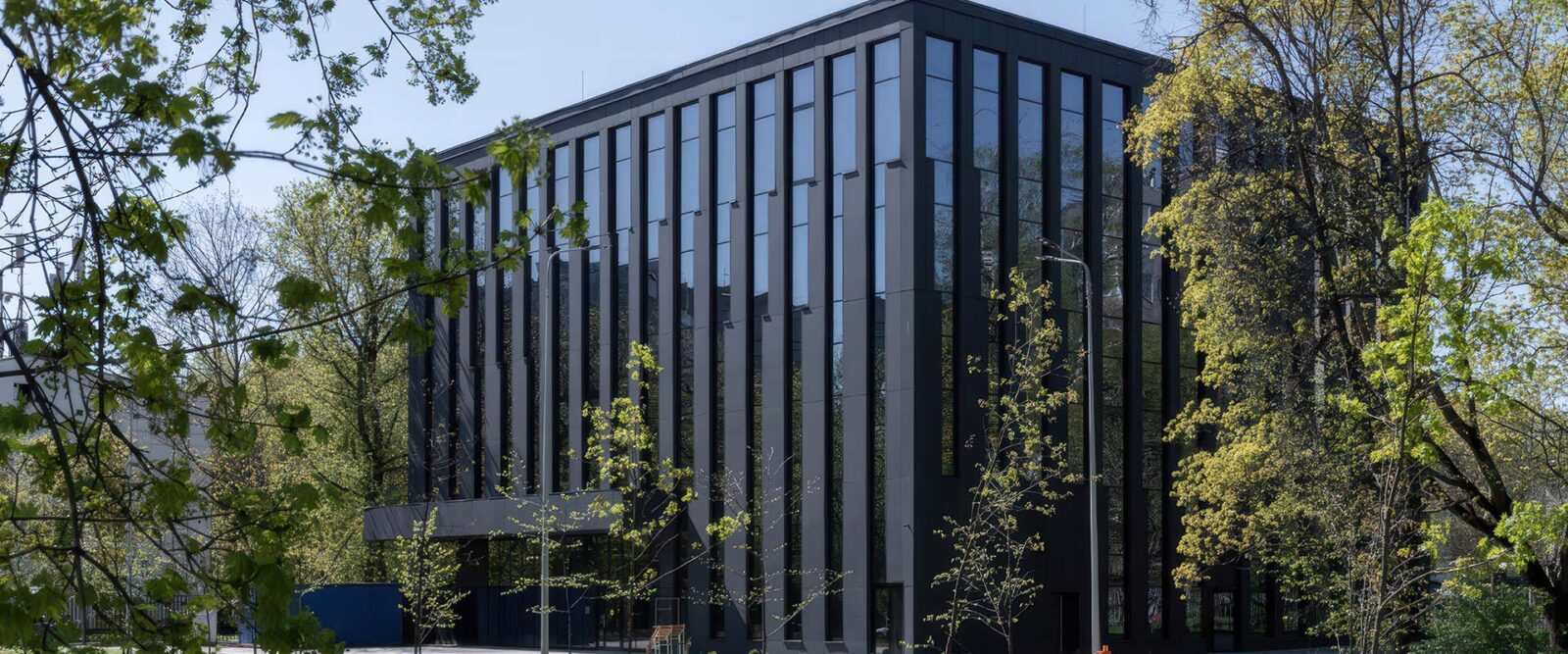
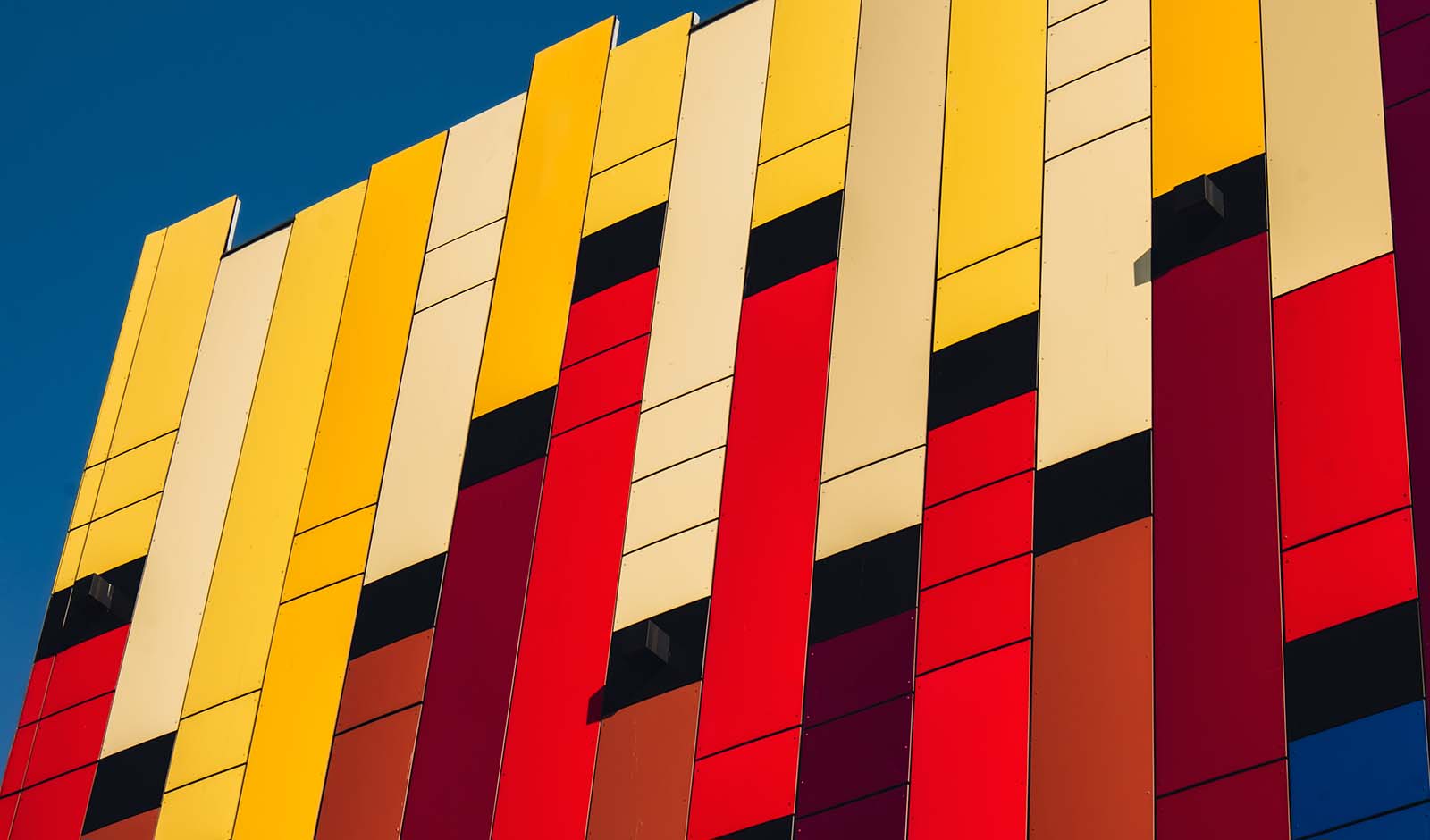
The aluminium facade market in the United States offers more options than ever. Panels with different cores, multiple framing solutions, adjustable substructures and countless combinations of finishes and profiles are readily available. On the surface, many of these options appear interchangeable.
This abundance creates the core problem of choice.
Most aluminium facade failures are not caused by material defects. They result from decisions made in isolation, where cladding, framing and support systems are selected independently rather than as a coordinated facade assembly. In the U.S. regulatory environment, this approach leads to failed inspections, redesigns and unexpected costs.
This article explains aluminium facades through the lens of this problem. It shows where the real risks lie, how to structure the decision-making process and what must be evaluated first to achieve safe, compliant and durable results.
Why Aluminium Facade Decisions Are Riskier Than They Appear
At the early design stage, aluminium cladding is often treated as an architectural finish. Samples are reviewed, finishes approved and budgets compared. Structural and regulatory questions are postponed.
This is the first mistake.
In U.S. construction, aluminium cladding is never assessed on its own. Authorities evaluate how the entire exterior wall behaves under fire, wind and thermal stress. A visually acceptable panel can become a liability when paired with incompatible framing or insulation.
The real challenge is not choosing aluminium, but choosing how aluminium works as part of a facade.
Aluminium Cladding as the First Layer of Choice
Aluminium cladding represents the most visible decision and therefore often dominates early discussions. It defines appearance, surface durability and basic resistance to environmental exposure.
Typical evaluation criteria include:
-
Panel thickness and alloy
-
Surface coating or anodizing
-
Corrosion resistance
-
Basic fire characteristics
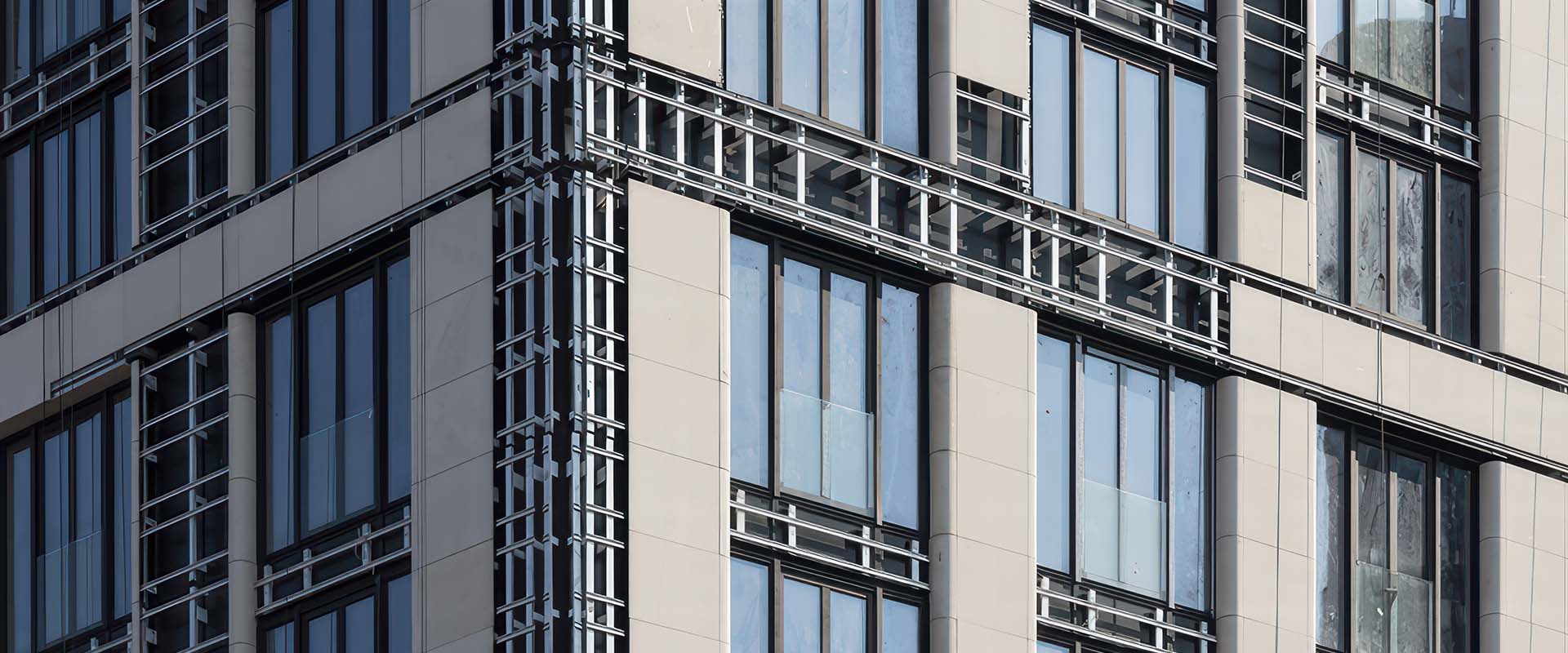
However, this is where the problem of choice begins. Aluminium cladding panels with similar visual properties can behave very differently once installed within a wall assembly.
Common Aluminium Cladding Options and Their Hidden Implications
Perceived Advantage |
Hidden Risk |
| Solid aluminium panels | |
| Perceived as a safe and non-combustible cladding option suitable for regulated and high-rise buildings. | Higher material weight and cost increase structural load, substructure requirements, and overall facade budget. |
| Composite aluminium panels | |
| Valued for lightweight construction, flat appearance, and ease of fabrication across large facade areas. | Core composition may restrict use under U.S. fire regulations, especially where polyethylene cores are prohibited. |
| Perforated aluminium panels | |
| Chosen for architectural flexibility, shading capability, and visual depth in facade design. | Limited weather protection often requires additional layers, increasing system complexity and coordination effort. |
| Profiled aluminium sheets | |
| Seen as a cost-efficient and fast-to-install solution for large surface areas. | Reduced architectural precision and limited detailing options restrict use in design-driven projects. |
In the U.S., composite panels require particular caution. Products with polyethylene cores may be restricted or prohibited on certain buildings, while fire-retardant or mineral-filled cores are often mandatory.
Selecting cladding without understanding its regulatory impact is one of the most common early-stage errors.
The Second Layer of Choice: Framing and Support Logic
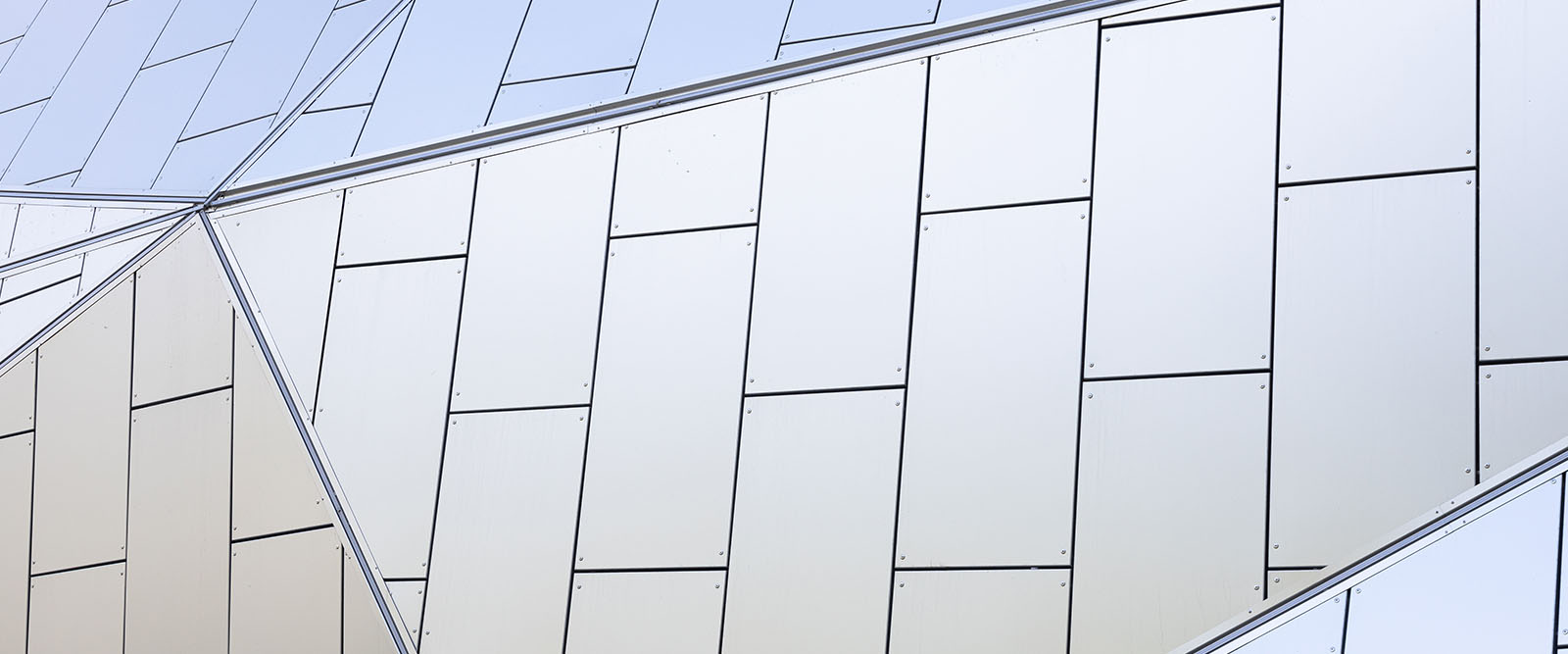
Once cladding is selected, attention shifts to how it will be supported. This is where aluminium transitions from a surface material into a structural component.
Terms such as aluminium cladding framing system, aluminum cladding framing and aluminum cladding support system reflect this stage of decision-making.
Framing determines:
-
How loads are transferred
-
How panels move with temperature changes
-
How precisely the facade aligns
-
How fire barriers are integrated
Treating framing as generic hardware rather than engineered structure is a critical mistake.
Typical Framing Approaches and Their Trade-Offs
Advantage |
Risk if Misused |
| Vertical rail systems | |
| Efficient vertical load transfer and reliable structural performance for multi-storey facades. | Requires precise bracket alignment and accurate installation to avoid deflection and stress concentration. |
| Horizontal rail systems | |
| Simplified installation process and straightforward panel attachment for smaller facade areas. | Limited load capacity makes this approach unsuitable for high-rise or high-wind applications. |
| Grid-based framing systems | |
| High design flexibility and compatibility with large-format or irregular panel layouts. | Increased system complexity requires careful coordination between structure, cladding, and fire protection. |
| Adjustable bracket systems | |
| Tolerance for uneven substrates and flexibility during installation and refurbishment projects. | Higher coordination demands and increased risk of errors if tolerances are not properly controlled. |
The Backbone of the Decision: Aluminium Substructure
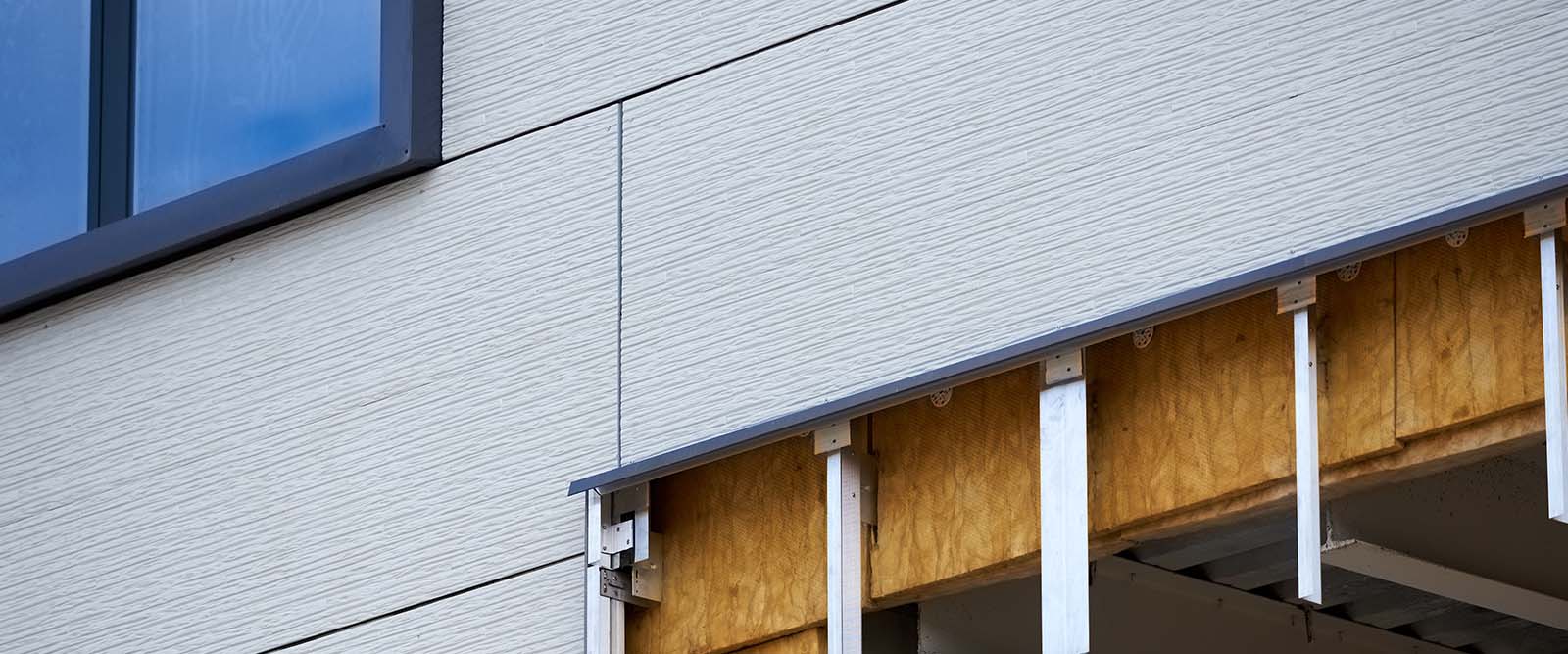
Behind framing sits the aluminium substructure. This layer is rarely visible, yet it defines whether the facade performs as intended over decades.
The aluminium substructure controls:
Anchoring to slabs or backup walls
Cavity depth and ventilation
Insulation thickness
Placement of fire barriers
Design changes at this level often trigger cascading revisions across the entire facade.
The Backbone of the Decision: Aluminium Substructure in the U.S. Regulatory Context
In the United States, aluminium facades are regulated primarily at the assembly level, not at the level of individual materials. Fire safety requirements focus on how the entire exterior wall system behaves under fire exposure, including the interaction between cladding panels, aluminium substructure, framing components, insulation, and cavity fire barriers.
This regulatory approach means that the aluminium substructure is not a neutral or secondary component. It directly influences whether a facade assembly can pass mandatory fire testing and receive approval from authorities having jurisdiction.
Key regulatory drivers in the U.S. include:
NFPA 285, which evaluates vertical and lateral flame propagation within exterior wall assemblies containing combustible components
International Building Code (IBC) requirements that mandate NFPA 285 compliance for many mid-rise and high-rise applications
ASTM E84, used to assess surface burning characteristics as part of material qualification
Local regulations, such as New York Local Law 11, which impose additional restrictions and inspection requirements for facade materials and assemblies
NFPA 285 is particularly decisive because it does not test panels or insulation in isolation. It evaluates how flames travel through the full facade build-up, including aluminium framing profiles, brackets, anchors, insulation interfaces, and cavity interruptions. Substructure geometry, cavity depth, and the continuity of fire barriers all influence test outcomes.
Assuming that aluminium cladding or insulation is compliant without verifying the complete assembly configuration is one of the most costly mistakes in U.S. facade projects. In practice, approval depends on documented, tested combinations of materials and support systems, not on individual product certificates.
The Backbone of the Decision: Aluminium Substructure
Even well-designed aluminium facades can fail due to improper installation.
Critical installation risks include:
Misalignment of framing rails
Incorrect bracket anchoring
Discontinuous fire stopping
Deviations from tested assembly details
Installation quality directly affects long-term durability, safety and maintenance costs.
The Problem of Choice Summarized: What to Evaluate First
To manage the complexity of aluminium facades, decisions must follow a clear hierarchy. Appearance alone should never lead the process.
Aluminium Facade Decision Matrix
Decision Area |
Primary Question |
Why It Comes First |
| Fire compliance | Is the facade assembly tested and approved | Determines whether the solution is legally viable and approvable |
| Cladding material | Is the core composition and alloy appropriate | Directly impacts fire safety, durability, and long-term performance |
| Framing solution | Can the system handle loads and thermal movement | Ensures structural stability and facade alignment |
| Substructure design | Does it support ventilation and fire barrier integration | Controls how the facade performs as a coordinated system |
| Installation logic | Can the facade be built exactly as designed | Reduces on-site risk, errors, and construction delays |
| Supplier support | Is technical coordination and documentation available | Prevents redesign, accelerates approvals, and lowers project risk |
The Problem of Choice Summarized: What to Evaluate First
The aluminium facade market does not suffer from a lack of options. It suffers from too many partially compatible ones. The real problem of choice is not selecting aluminium, but selecting a coordinated facade solution that performs safely and predictably.
A Priori Source helps architects, developers and contractors navigate this complexity by focusing on system compatibility, regulatory compliance and practical constructability. We support informed decisions at every stage, from material selection to framing coordination and compliant supply.
When aluminium facade choices are made in the right order, risk decreases, approvals accelerate and long-term performance improves.