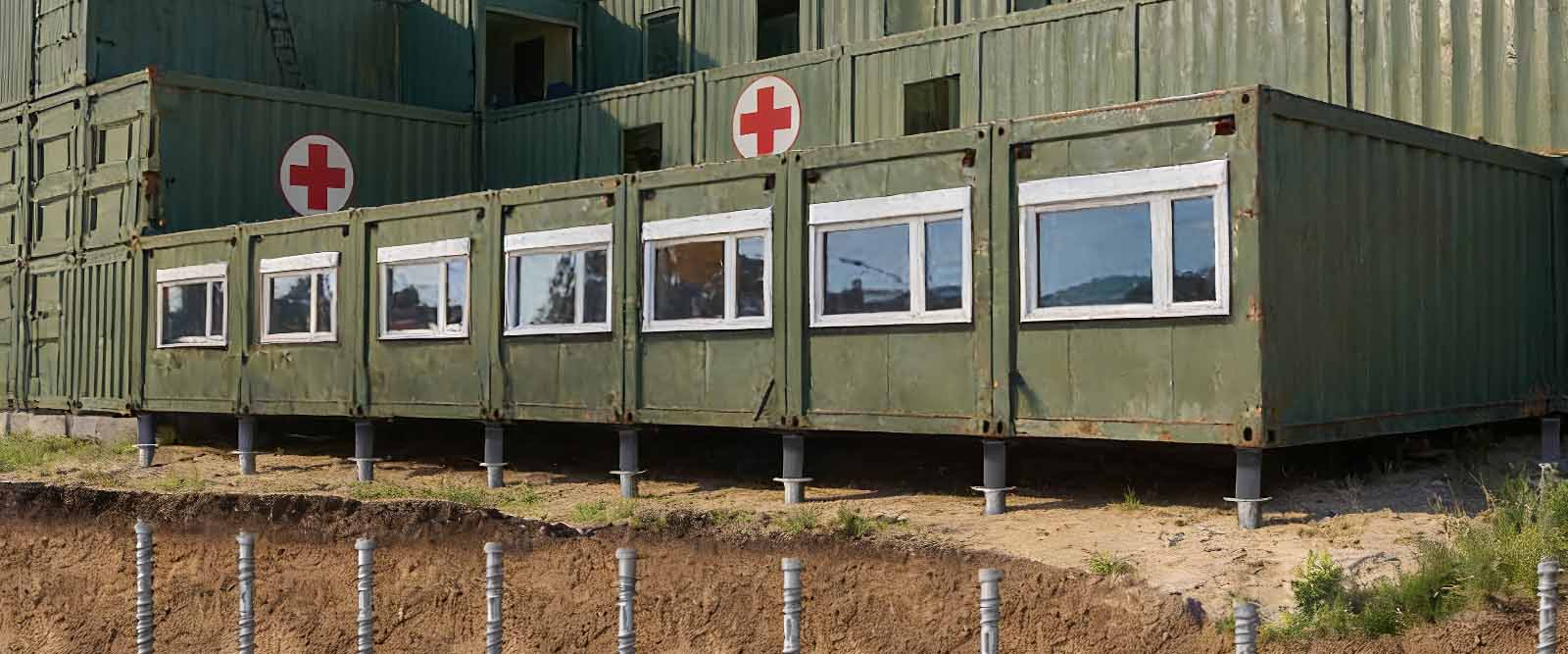
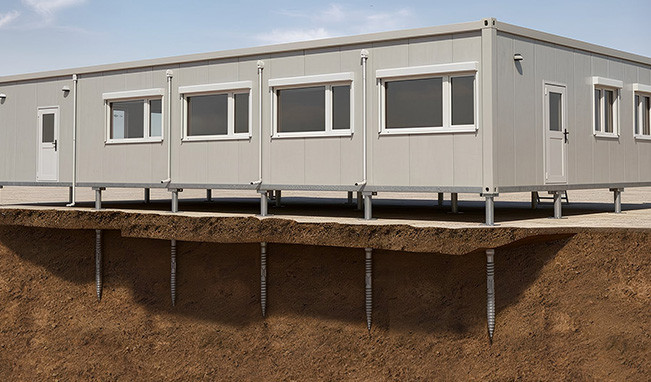
Ground screws, screw piles, and helical piles are increasingly used as alternatives to conventional concrete foundations where installation speed, site access, or reduced excavation are important project considerations. These steel foundation elements are mechanically installed into the ground using specialized equipment and can often accept structural loads without the curing period required for concrete.
Understanding ground screw installation challenges and solutions is important because actual installation performance depends heavily on site conditions. Soil variability, dense layers, rock and subsurface obstructions, groundwater, frost conditions, access limitations, and alignment requirements can all affect how efficiently a screw foundation system can be installed.
When site conditions are suitable and the system is properly selected, ground screws can significantly shorten foundation work by reducing excavation, formwork, and concrete curing requirements. Individual installation times vary widely with pile size, required depth, equipment, soil resistance, and project-specific testing or acceptance requirements.
For modular buildings, residential and commercial construction, infrastructure, and renewable-energy projects, anticipating these variables before installation helps engineers, contractors, and project owners reduce delays, select appropriate equipment and foundation configurations, and maintain the required structural performance.
Why Installation Conditions Matter for Screw Foundations
Ground screw foundations and helical piles transfer structural loads through interaction between the foundation element and the surrounding soil. The actual load-transfer mechanism depends on soil profile, installation depth, shaft and helix geometry, and whether the foundation is resisting compression, uplift, lateral loads, or a combination of these forces.
During installation, hydraulic equipment records torque resistance as the pile advances through the soil. For many screw pile and helical pile systems, installation torque provides a useful real-time indication of changing ground resistance and may also be correlated with potential ground screw load capacity when supported by the applicable design method and project-specific engineering.
Indicative installation torque ranges encountered in construction applications may include:
-
2,000–3,000 Nm for lighter structures such as decks, platforms, and temporary installations;
-
3,000–7,000 Nm for residential foundations and modular building systems;
-
7,000–12,000 Nm or more for larger commercial structures and infrastructure applications.
These ranges are general reference values, not design capacities or universal installation targets. Required torque depends on pile geometry, soil conditions, installation depth, equipment, structural loads, and the acceptance criteria established for the specific foundation system.
Lower-than-expected torque can indicate weaker or less resistant soil layers and may require additional embedment or engineering review. Unexpectedly high resistance can indicate dense soil, rock, buried obstructions, or other subsurface conditions that affect installation.
For this reason, ground screw load capacity, installation torque, and depth requirements should be evaluated together with geotechnical information, structural loads, and the requirements of the selected screw foundation system.
Common Ground Screw Installation Challenges and Solutions
Even though screw foundations can simplify many aspects of foundation construction, actual installation conditions are rarely uniform. Soil variability, subsurface obstructions, groundwater, frost, restricted access, sloped terrain, and alignment requirements can all affect installation performance, required depth, torque, and final foundation acceptance.
The following sections examine the most common ground screw installation challenges and solutions encountered on residential, commercial, modular, infrastructure, and renewable-energy projects, together with the engineering and field considerations used to address them.
Soft or Variable Soil Conditions |
Rocky Soil and Subsurface Obstacles |
| Loose sand, organic soils, fill, or mixed soil layers may produce lower installation resistance and insufficient capacity at the planned depth. Depending on the project, the response may include deeper embedment, a different shaft or helix configuration, additional testing, or project-specific engineering review. | Large stones, buried debris, dense layers, or shallow bedrock can interrupt ground screw installation or prevent the foundation from reaching the intended depth. Depending on the obstruction and selected system, the response may involve relocation, predrilling where appropriate, a different pile configuration, or an alternative foundation solution. |
Installation Torque Variability |
Pile Alignment and Vertical Accuracy |
| Changes in soil density and subsurface materials can cause installation torque to rise or fall unexpectedly. Torque records should be evaluated against the design assumptions and acceptance criteria for the selected system, with unusual readings potentially requiring additional depth, testing, or engineering review. | Sloped terrain, restricted working space, or improper equipment positioning can affect pile alignment during installation. Position and verticality should be monitored as the pile advances, and deviations should be evaluated against the allowable project tolerances and structural connection requirements. |
Sloped Terrain and Elevation Differences |
Seasonal Ground Movement and Frost Depth |
| Sites with changing elevations require careful foundation layout and elevation control to maintain consistent support points. Adjustable connection heads, extensions, and project-specific foundation elevations can help coordinate the screw foundation system with the structure above. | In cold climates, frost heave and seasonal ground movement can affect foundations installed within frost-sensitive soil zones. Ground screw depth requirements should consider local frost conditions, soil type, structural loads, and applicable geotechnical and code requirements. |
Limited Site Investigation |
Foundation Design Mismatch |
| Limited geotechnical information increases the risk of encountering unexpected soil layers, groundwater, obstructions, or inadequate resistance during installation. Available site data, geotechnical information, test installations, and field observations can help reduce uncertainty before full foundation installation begins. | A ground screw or helical pile with unsuitable length, shaft geometry, helix configuration, or connection details may not satisfy the required structural performance. Foundation selection should therefore be based on project loads, soil conditions, installation requirements, and project-specific engineering rather than on a standard product size alone. |
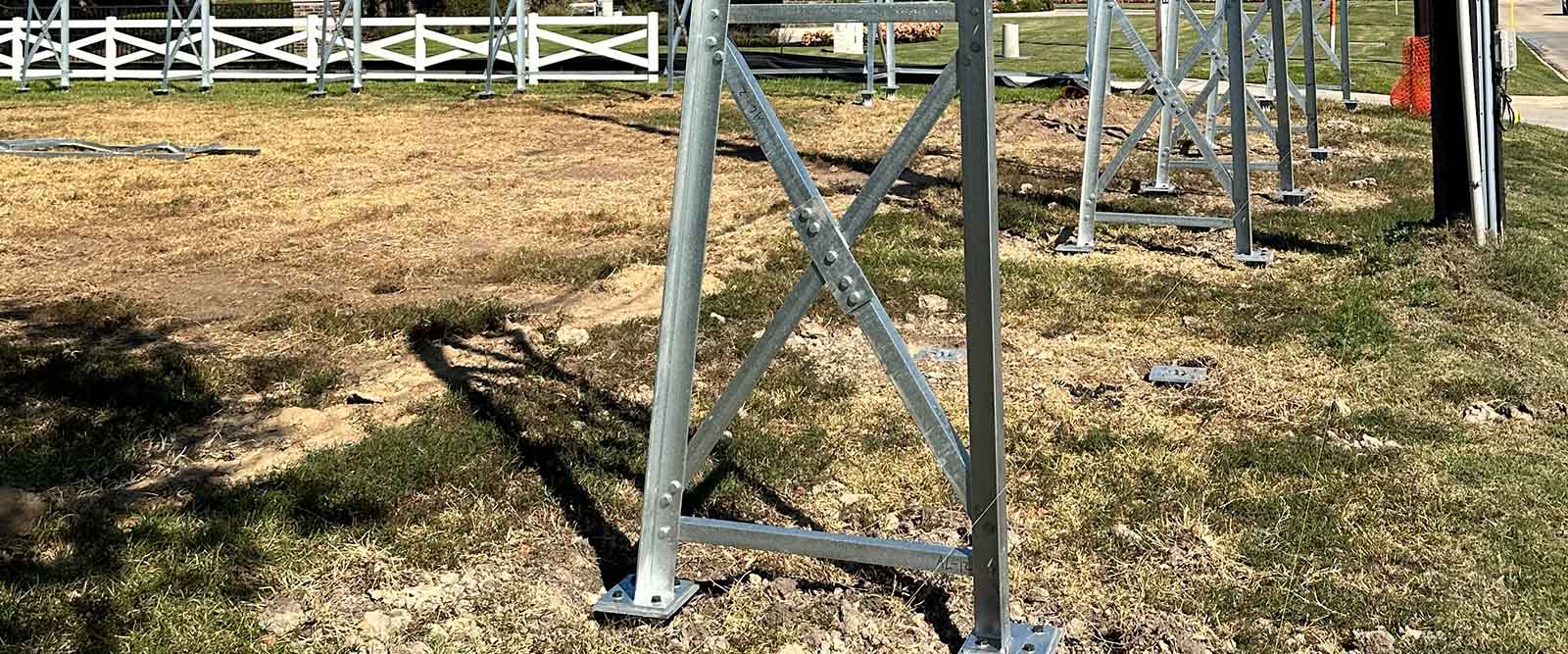
Typical Load Capacity Ranges for Ground Screws
The ground screw load capacity depends on soil strength, pile geometry, helix configuration, installation depth, connection details, and the type of loading applied. General capacity ranges can still provide a useful reference when comparing systems for different construction applications.
Typical indicative ranges may include:
-
20–40 kN for smaller ground screws used in decks, fences, platforms, and other lightweight structures
-
40–100 kN for residential foundations, modular buildings, and similar medium-load applications
-
100–150 kN or more for larger helical pile systems used in commercial structures, infrastructure, and higher-load foundation applications
These figures are general reference ranges rather than project design values. Final capacity should be established for the selected system using the available geotechnical information, structural loads, pile geometry, installation data, and the engineering or testing requirements applicable to the project.
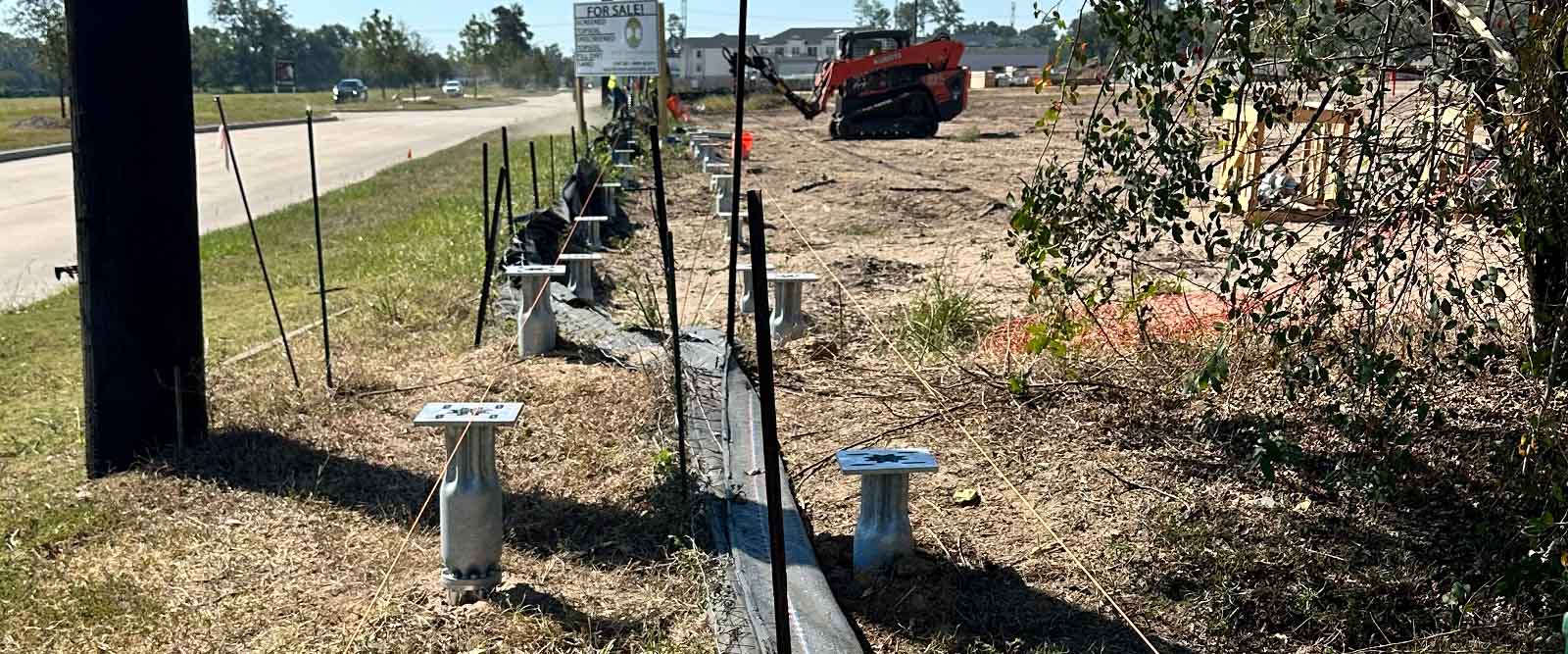
Engineering Approaches to Ground Screw Installation Challenges
Ground screw installation challenges are usually managed through a combination of site investigation, appropriate pile selection, installation monitoring, and project-specific engineering. The objective is not simply to achieve a target depth, but to install a foundation configuration that satisfies the required structural performance under the actual ground conditions.
Site Investigation and Soil Analysis
A geotechnical site assessment helps establish the ground conditions for screw piles before installation begins. Relevant information may include soil stratification, density or consistency, groundwater conditions, fill, rock, buried obstructions, and other subsurface features that can affect installation and capacity.
Common investigation methods include soil borings, penetration testing, laboratory testing, and preliminary or test pile installations where appropriate. This information supports ground screw foundation design and helps engineers select suitable pile geometry, anticipated embedment, installation equipment, and verification requirements.
Typical screw pile lengths may range from approximately 1.5 meters for lighter applications to more than 3 meters for larger or more demanding foundations, although actual length is determined by soil conditions, structural loads, system geometry, and project-specific engineering rather than by application type alone.
Adapting Pile Design to Soil Conditions
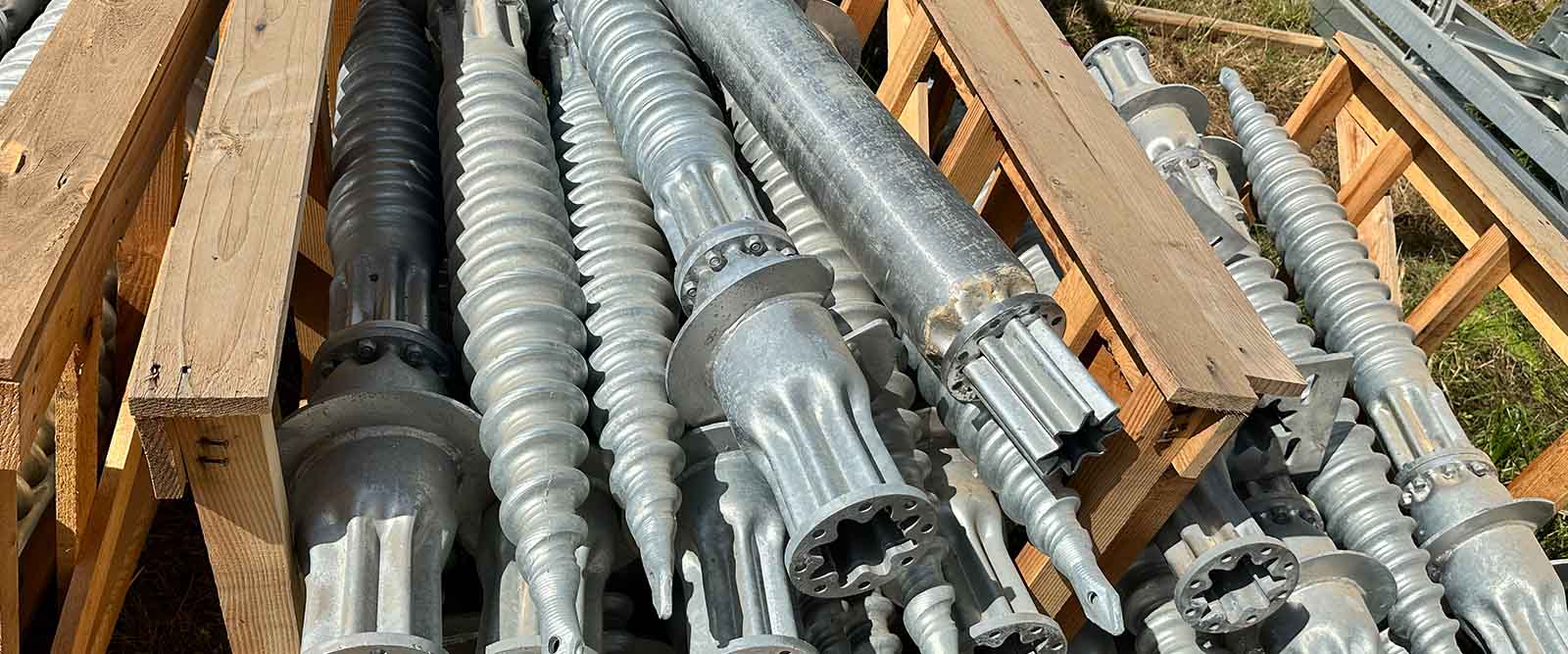
Ground screw and helical pile systems are available in different configurations, allowing the foundation element to be selected around both structural demand and subsurface conditions.
Important design parameters can include:
- shaft diameter and wall thickness
- helix diameter, number, and spacing
- pile length and required embedment
- connection geometry
- corrosion protection and design life
Changes to these parameters can influence installation behavior, compression and uplift resistance, lateral performance, and long-term durability. Ground screw engineering therefore requires the pile configuration and soil profile to be evaluated together rather than treating the foundation element as a standardized component for every site.
Managing Installation in Challenging Ground Conditions
Rocky soil, mixed ground layers, dense material, buried debris, and other subsurface obstacles are common causes of interrupted or inconsistent ground screw installation.
Depending on the selected system and project requirements, possible responses may include:
- adjusting pile location within permitted structural tolerances
- removing localized obstructions where practical
- using controlled pre-drilling when permitted by the pile system and engineering criteria
- selecting a different ground screw or helical pile configuration
- increasing embedment where suitable bearing material can be reached
- evaluating an alternative foundation solution where installation conditions are incompatible with the proposed system
Pre-drilling and other installation adjustments should not be treated as universal remedies because they can affect soil interaction, installation torque, and the assumptions used to establish capacity
Maintaining Alignment and Structural Accuracy
Pile alignment affects both structural load transfer and the connection between the foundation and the supported structure. Sloped sites, restricted access, equipment positioning, and subsurface resistance can all contribute to deviation during installation.
Contractors commonly use hydraulic drives mounted on excavators or dedicated installation rigs together with leveling and alignment controls. Position, inclination, and elevation should be monitored as installation progresses and evaluated against the tolerances established for the foundation system and structural connections.
For restricted access ground screws, equipment selection becomes part of the engineering and installation plan because available working space may affect achievable pile locations, installation angle, torque capability, and sequencing.
Frost Depth and Seasonal Ground Movement
In frost-susceptible soils, freeze-thaw cycles can produce vertical ground movement known as frost heave. Foundation elements must therefore be designed so that seasonal soil movement does not create unacceptable uplift or displacement.
As a general reference, design frost depths in colder North American regions can commonly extend to approximately 1.2–1.8 meters (4–6 ft), with greater depths possible in northern and mountainous locations. Actual requirements vary substantially by climate, soil type, jurisdiction, and site-specific conditions.
For this reason, ground screw depth requirements should be based on local frost criteria, geotechnical conditions, structural loads, and the selected foundation system. Extending below the applicable frost zone is often part of the design strategy, but depth alone does not determine resistance to frost-related movement.
Installation Efficiency and Project Scale
Despite the installation challenges discussed above, ground screw and helical pile systems continue to gain adoption because they can significantly reduce foundation installation time when site conditions and system selection are favorable.
Faster Foundation Installation
For suitable projects, ground screw foundation installation can be approximately three to five times faster than conventional concrete foundation work when excavation, formwork, reinforcement, concrete placement, and curing are considered as part of the overall sequence.
The actual ground screw foundations installation time depends on pile size, required depth, soil resistance, equipment, access, testing requirements, and the number of installation points.
Immediate Loading After Acceptance
Ground screws and helical piles do not require a concrete curing period. Once installation is complete and the required torque records, testing, or other project-specific acceptance requirements have been satisfied, structural work can often proceed without waiting for concrete to develop sufficient strength.
Concrete schedules vary by mix design, structural requirements, temperature, and loading conditions, so any time comparison should be evaluated at the project level rather than using a universal curing period.
Reduced Excavation and Site Disruption
Ground screw installation generally requires less excavation and produces less spoil than conventional concrete footing construction. This can be particularly useful on constrained sites, developed properties, and projects where minimizing disturbance to surrounding ground is important.
Efficient Installation at Scale
Installation efficiency becomes especially important on solar, infrastructure, and other projects containing large numbers of repetitive foundation points. A single project may require hundreds or thousands of screw piles.
For smaller-format systems and favorable site conditions, specialized hydraulic installation crews may complete several hundred piles per day. Actual production rates vary substantially with pile geometry, required depth, torque resistance, equipment, spacing, access, soil conditions, and quality-control requirements.
For this reason, ground screw foundation installation time per screw or per project should always be considered together with site conditions and the specific foundation system rather than treated as a fixed production rate.
Installation Planning for Infrastructure and Civil Engineering Projects
Ground screw and helical pile installation for infrastructure and civil engineering projects often involves large foundation quantities, repetitive layouts, access planning, equipment coordination, and consistent installation records across the site. Torque monitoring, pile location control, testing requirements, and production sequencing become especially important when hundreds or thousands of foundation points are involved.
For these projects, system selection and installation planning should be coordinated with structural loads, geotechnical conditions, construction access, project tolerances, and the documentation required by the engineering team.
FAQ
What is ground screw foundation installation time per screw or per project?
Actual installation time depends on soil density and composition, screw or pile geometry, required depth, installation torque, rocks or subsurface obstructions, alignment requirements, equipment, and any testing or acceptance procedures required by the project.
At the project level, indicative production rates may include:
• 50 to 100 screws per day for smaller crews and light-structure applications.
• 100 to 250 screws per day for standard construction crews under suitable site conditions.
• 200 to 400 or more screws per day on repetitive large-scale projects such as solar or infrastructure installations using appropriate hydraulic equipment.
These figures are reference ranges rather than guaranteed production rates. A project involving hundreds or thousands of foundation points may take anywhere from several days to several weeks depending on access, soil conditions, pile size, installation depth, layout, testing, and quality-control requirements.
What information is needed before ground screw foundation installation?
Available geotechnical information is equally important. Soil profile, density or consistency, groundwater, fill, rock, subsurface obstructions, frost conditions, and other site characteristics can influence pile geometry, installation depth, equipment selection, and expected installation torque.
Depending on the project, preliminary test installations, torque records, load testing, or additional geotechnical investigation may also be used to confirm the assumptions made during the design of screw foundations before full installation proceeds.
What are ground screw footings?
Ground screw footings can reduce excavation and eliminate concrete curing time. Once the required installation, torque, testing, and project-specific acceptance criteria have been satisfied, the foundation can typically proceed directly to connection with the supported structure.
Their suitability depends on structural loads, soil conditions, required depth, corrosion environment, connection details, and project-specific engineering. Concrete or another foundation approach may still be preferable where subsurface conditions, structural geometry, or other project requirements make screw foundations impractical.
How deep do ground screws need to be installed?
Smaller systems may use lengths around 1.5 meters, while larger foundation systems commonly extend beyond 3 meters and may use extensions where greater embedment is required. These figures are general references rather than prescribed installation depths.
The final depth should be established from the requirements of the selected system together with geotechnical information, structural design, installation data, and applicable acceptance criteria.
Can ground screws be installed in rocky soil?
Small stones or dense layers may sometimes be penetrated by an appropriate system, while larger rocks, buried debris, or shallow bedrock can stop installation or prevent the pile from reaching the required depth. Depending on the project, possible responses include:
• relocation within permitted tolerances;
• localized obstruction removal;
• controlled pre-drilling where appropriate;
• a different pile configuration;
• an alternative foundation solution.
Because rocky ground can also affect installation torque and pile alignment, the appropriate response should be evaluated against the selected system and project-specific engineering requirements.
How many foundation screws are needed per m²?
Conclusion
Ground screws and helical piles can provide an efficient foundation option where installation speed, reduced excavation, and flexibility across varying site conditions are important. Their successful use, however, depends on appropriate system selection, geotechnical information, structural requirements, and careful control during installation.
Variable soil layers, rock and subsurface obstructions, restricted access, alignment, frost conditions, and unexpected torque resistance can all affect installation performance. Identifying these ground screw installation challenges and solutions early allows engineers, contractors, and project owners to plan for them before they create delays or require major field adjustments.
Ground screw foundation design should therefore consider soil conditions, structural loads, pile geometry, depth requirements, installation torque, testing, and project-specific acceptance criteria as part of one coordinated foundation strategy.
For projects where ground screws or helical piles are being considered, review the available ground screw foundation systems and helical piles from A Priori Source to evaluate suitable configurations, technical documentation, and project requirements.