LED lighting is often presented as a simple upgrade. Replace old fixtures, reduce electricity consumption, and improve light quality. For homeowners planning a renovation or developers modernizing a building, the decision can appear straightforward.
In reality, LED lighting in the United States has become a regulated engineering system. Electrical safety rules, energy codes, lighting quality standards, and health related guidelines all affect how lighting must be designed and installed.
Treating LED lighting as a commodity product can create unexpected problems. Projects may fail inspections, lighting systems may flicker or behave unpredictably, and buildings may fall out of compliance with energy codes.
Understanding these requirements has therefore become an important part of modern lighting planning.
Why LED Lighting Systems Are More Complex Than Traditional Lighting
Traditional incandescent lamps were simple devices. Electrical current passed through a filament and produced light. The fixture itself contained almost all the functionality.
LED lighting systems operate very differently. They rely on electronic drivers, digital control systems, and often wireless connectivity.
Component |
Function |
Risks if Poorly Specified |
| LED driver | Converts AC power to stable DC current | Flicker, overheating, shortened lifespan |
| Lighting controls | Dimming and automation | Driver incompatibility |
| Low voltage circuits | Power distribution | Electrical safety issues |
| Wireless protocols | Smart lighting integration | Instability or system failures |
Because LED lighting systems involve multiple electronic components, regulators treat them as electrical systems rather than simple fixtures.
Electrical Safety: National Electrical Code Requirements
Electrical safety in the United States is governed by the National Electrical Code (NEC).
One of the most important sections for LED lighting is Article 725, which regulates Class 2 circuits.
Class 2 circuits limit voltage and power levels in low voltage electrical systems. This reduces the risk of fire and electrical shock, which is why many indoor LED installations use Class 2 LED drivers.
These drivers simplify installation and improve safety compliance in residential and commercial buildings.
However, improper driver selection or incorrect wiring can immediately create code violations and may prevent a project from passing inspection.

Energy Codes and Lighting Control Requirements
Lighting accounts for a significant portion of building energy consumption. For this reason, energy efficiency standards regulate how lighting must operate.
Most US states follow ASHRAE 90.1, while California enforces stricter requirements through Title 24.
In practice these regulations require lighting systems to include automatic control functions such as:
-
occupancy sensors in many interior spaces
-
automatic shut off after building hours
-
dimming capability for daylight zones
-
integration with building lighting control systems
These rules mean that lighting must be designed as part of the building’s energy management strategy rather than treated as an isolated fixture.
California JA8 and LED Light Quality Standards
California’s JA8 standard was introduced after early LED products caused widespread complaints about poor light quality.
The regulation focuses on residential lighting and ensures that LED products meet both efficiency and performance requirements.
Typical JA8 requirements include:
-
minimum luminous efficacy around 45 lumens per watt
-
color rendering index of at least 90
-
dimming capability down to approximately 10 percent output
-
tested flicker performance
The purpose of these rules is to ensure that efficient lighting also delivers comfortable visual conditions.
LED Flicker and Human Health
Despite the installation challenges discussed above, screw foundations remai
One of the most important lighting issues today is flicker.
Flicker occurs when light output fluctuates rapidly because of unstable electrical current in the driver. Even when flicker is not visible, it can still influence eye comfort, concentration, and neurological response.
The IEEE 1789 guideline provides recommendations for acceptable flicker levels in LED lighting systems.
Research indicates that flicker below approximately 90 to 100 Hz is the most likely to cause visible discomfort. At higher frequencies the risk decreases, but poorly designed drivers can still create problematic modulation levels.
In offices and residential environments, flicker is one of the most common causes of lighting complaints.
n one of the fastest-growing foundation technologies in modern construction.
Several measurable advantages explain their increasing use.
Typical LED Flicker Metrics Explained
Several different metrics are used to measure flicker performance. Understanding them helps explain why some lighting systems feel comfortable while others cause visual fatigue.
Metric |
What It Measures |
Typical Interpretation |
| Percent Flicker (Modulation) | Variation between maximum and minimum light output | Higher percentages indicate stronger flicker |
| Flicker Index | Ratio of light output waveform above and below average | More precise measure of flicker waveform |
| Flicker Frequency | Speed of light modulation in Hz | Higher frequency generally reduces perceptibility |
| Stroboscopic Visibility Measure (SVM) | Visibility of stroboscopic effects in moving objects | Important for workplaces and machinery environments |
High quality LED drivers maintain stable electrical output and keep these values within safe ranges.
Low quality drivers or incompatible dimming systems often produce high modulation levels and low flicker frequencies, which can lead to discomfort.
Retrofit Mistakes That Cause Flicker Problems
Retrofit projects frequently underestimate the complexity of LED systems.
A common situation occurs when fluorescent fixtures are replaced with LED panels while the existing dimmers remain unchanged.
At first the lighting appears to work. But after installation several problems often appear:
- flicker when lights are dimmed
- buzzing sounds from fixtures
- uneven brightness between luminaires
- premature driver failures
These problems usually occur because the original dimmers were designed for incandescent loads rather than electronic LED drivers.
Correcting the issue often requires replacing dimmers, installing compatible drivers, and redesigning parts of the control system.
Lighting Requirements for Schools and Healthcare Facilities
education
Lighting conditions play an important role in educational and healthcare environments.
Research has shown that poor lighting quality can affect concentration, visual comfort, and productivity in classrooms.
Many school projects therefore follow recommendations from the Illuminating Engineering Society (IES), which publishes widely used lighting design guidelines.
Typical classroom lighting recommendations include:
-
illumination levels of roughly 300 to 500 lux
-
uniform lighting distribution
-
high color rendering for reading clarity
-
minimal flicker to prevent visual fatigue
healthcare
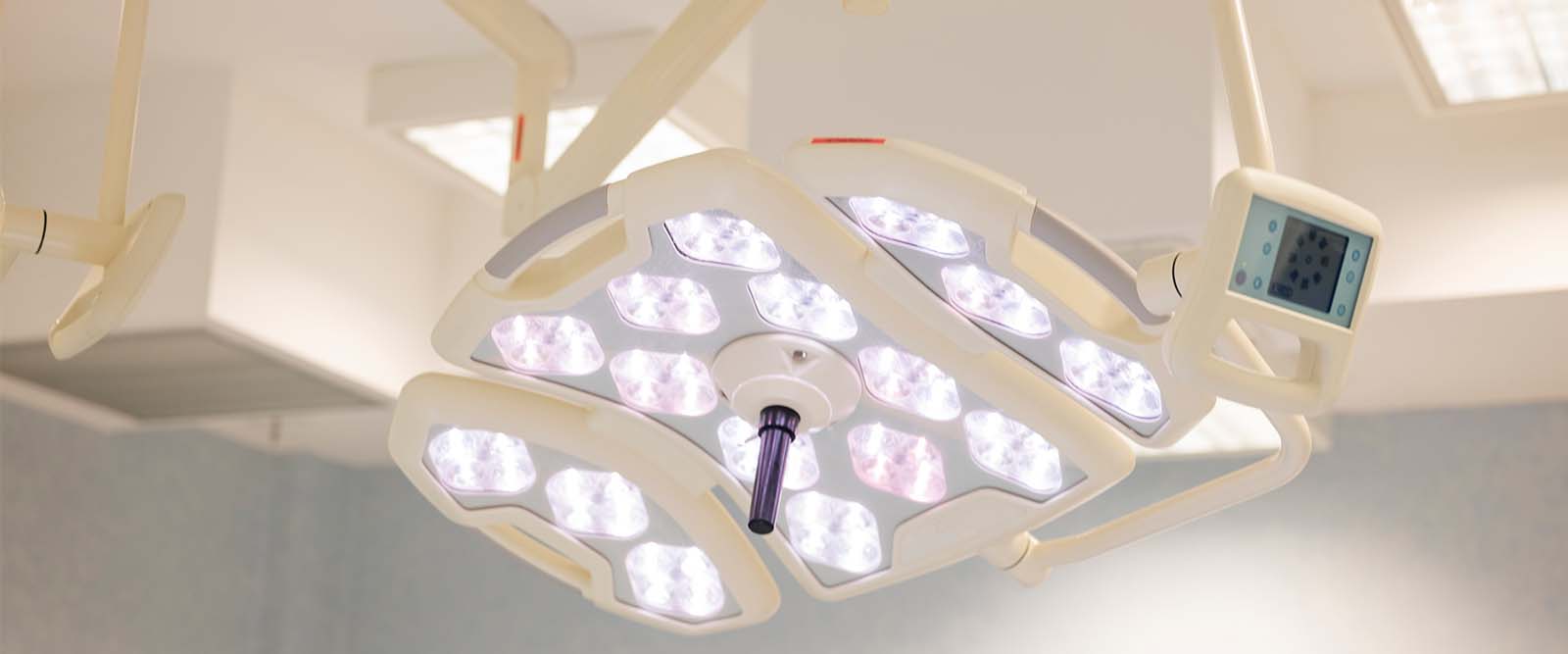
Healthcare environments introduce additional requirements. Hospitals require lighting that supports medical tasks while maintaining comfortable environments for patients.
Healthcare lighting design typically focuses on:
-
higher illumination levels for examination areas
-
adjustable lighting for patient rooms
-
stable light output for long operating hours
-
glare control for visual comfort
Although IES standards are not always mandatory in building codes, they are widely used by engineers and architects when defining lighting specifications.
Smart Lighting and IoT Lighting Codes
Lighting systems are increasingly connected to building automation platforms and smart home networks.
Smart lighting often relies on wireless communication technologies such as:
- Bluetooth lighting networks
- Zigbee building automation systems
- Wi Fi connected lighting controls
- Z Wave residential smart home integration
These systems allow lighting to respond automatically to occupancy, daylight levels, and user preferences.
However, connected lighting systems must also address cybersecurity and data privacy concerns. Regulations such as the California Consumer Privacy Act (CCPA) may apply when lighting platforms collect user data or operate through cloud services.
As a result, smart lighting projects must consider not only electrical and energy codes but also digital infrastructure requirements.
Conclusion
Modern lighting systems combine electrical engineering, digital control, and building energy management.
Successful lighting projects must balance several technical factors:
Electrical Safety Compliance |
Energy Efficiency Standards |
Lighting Quality and Flicker Performance |
Compatibility with Dimming and Control Systems |
Integration with Smart Building Technologies |
When these factors are addressed early in the design process, lighting systems operate reliably and meet regulatory requirements.
When they are ignored, projects often experience flicker complaints, compatibility issues, and inspection delays.
LED lighting has transformed the built environment. But it has also made lighting design a technical discipline that requires careful planning.
At A Priori Source, we work with lighting systems that are selected and supplied with these requirements in mind, helping projects align with US electrical codes, energy standards, and modern lighting performance expectations.
Because in modern buildings, lighting is no longer just illumination.
It is infrastructure.